 Druk Asia
Western Bhutan
Western Bhutan is a region characterized by its stunning natural beauty, rich cultural heritage, and unique traditions. It is one of the most picturesque parts of Bhutan, renowned for its snow-capped mountains, lush green valleys, and pristine rivers.
Western Bhutan is also renowned for its festivals, or "tshechus," which are vibrant celebrations featuring masked dances, religious ceremonies, and cultural performances. These festivals provide insight into Bhutanese folklore, religious beliefs, and societal customs.
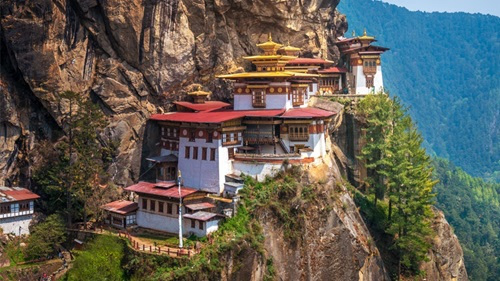
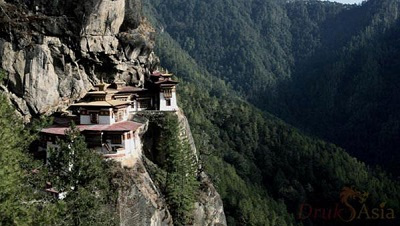
Moreover, the region is dotted with numerous Buddhist monasteries and temples, each offering spiritual solace amidst breathtaking natural surroundings. Taktsang Monastery, also known as the Tiger's Nest, is one of the most iconic landmarks in western Bhutan, perched precariously on a cliffside and offering breathtaking views of the surrounding mountains and valleys.
Western Bhutan consists of the following 10 districts:
1. Samtse
2. Haa
3. Chhukha
4. Paro
5. Thimphu
6. Punakha
7. Gasa
8. Wangdue Phodrang
9. Dagana
10. Tsirang
Popular tourist destinations include Thimphu, Paro, Punakha, Wangdue Phodrang and Haa.
The city is nestled in the picturesque Thimphu Valley, surrounded by towering mountains and lush green hillsides. Despite its status as the capital, Thimphu maintains a relatively small-town atmosphere compared to other capital cities around the world, with its development carefully managed to preserve Bhutanese heritage and values.
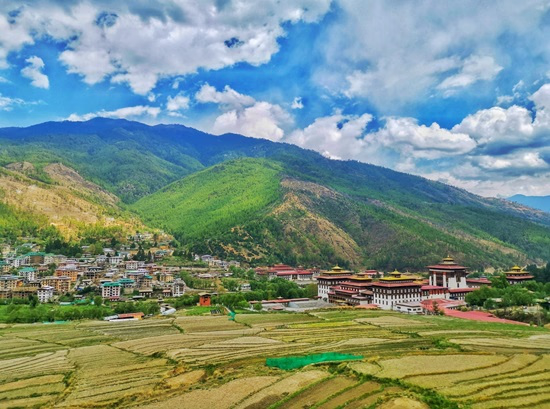
Thimphu is home to several significant landmarks, including the Tashichho Dzong, an impressive fortress-monastery that serves as the seat of the Bhutanese government and houses the throne room and offices of the king. The city also boasts numerous Buddhist temples and monasteries, such as the National Memorial Chorten, a stupa dedicated to world peace and prosperity.
• Tashichho Dzong
• Jungshi Handmade Paper Factory
• Royal Textile Academy
• Simply Bhutan
• Folk Heritage Museum
• Motithang Takin Preserve
• Bhutan Postal Museum
• National Memorial Chorten
• Simtokha Dzong
• Dochula Pass
• Druk Wangyel Lhakhang
• Centenary Farmers Market
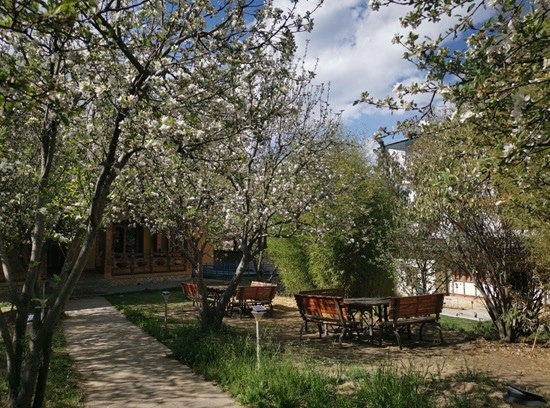
In addition to its cultural attractions, Thimphu offers modern amenities such as hotels, restaurants, and markets, where visitors can experience Bhutanese cuisine, crafts, and traditions. The city's streets are lined with colorful buildings adorned with intricate woodwork, reflecting Bhutan's distinct architectural style.
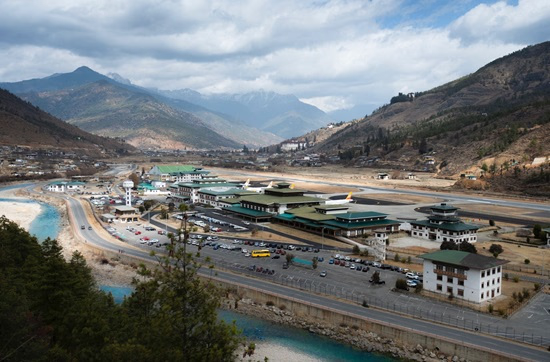
The town is home to the only international airport in Bhutan, making it a convenient entry point for travelers visiting the country. Paro Airport is known for its challenging landing amidst the surrounding mountains, providing passengers with breathtaking views of the Himalayas.
One of the highlights of Paro is the Taktsang Monastery, also known as the Tiger's Nest, perched dramatically on a cliffside overlooking the valley. This sacred site is one of Bhutan's most iconic landmarks and a major pilgrimage destination for Buddhists.
Paro is also famous for its historic Paro Dzong, known as Rinpung Dzong, a fortress-monastery that serves as both a religious and administrative center. The dzong is a masterpiece of Bhutanese architecture, adorned with intricate woodwork, colorful paintings, and ornate carvings.
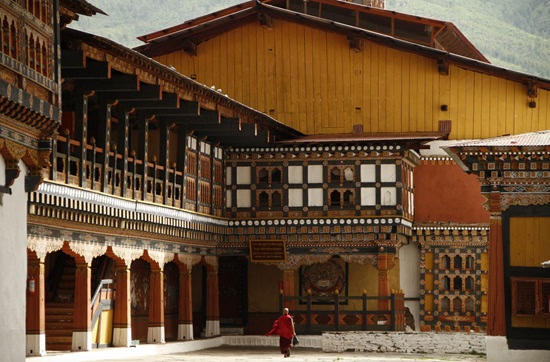
In addition to its cultural attractions, Paro offers opportunities for outdoor activities such as hiking, trekking, and birdwatching in the surrounding mountains and valleys. The town's bustling markets, quaint streets, and traditional architecture provide visitors with a glimpse into Bhutanese life and culture.
• Kyichu Lhakhang
• Tachog Lhakhang
• Jangtsa Dumtseg Lhakhang
• Dra Karpo
• Kila Goenpa
• Zuri Dzong
• Paro Dzong
• Drugyel Dzong
• Dobji Dzong
• Namgay Artisanal Brewery
• Aum Choden Homestay
• Chencho Weaving House
• Chele La Pass
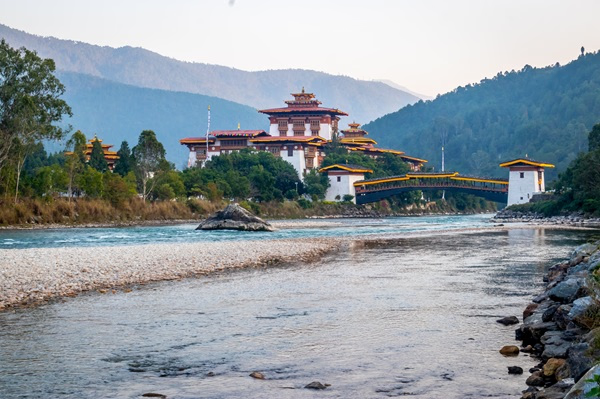
The town is famous for the Punakha Dzong, an architectural masterpiece situated at the confluence of the Pho Chhu and Mo Chhu rivers. This majestic fortress-monastery is one of the most beautiful and well-preserved dzongs in Bhutan, with intricate artwork, wooden carvings, and stunning panoramic views.
Punakha's mild climate and fertile valleys make it an ideal agricultural region, known for its rice paddies, fruit orchards, and vibrant flora. Visitors to Punakha can explore the surrounding countryside, hike through scenic trails, or engage in outdoor activities such as river rafting or kayaking.
The town also hosts colorful festivals and cultural events throughout the year, including the Punakha Tshechu, a lively celebration featuring masked dances, religious ceremonies, and traditional music.
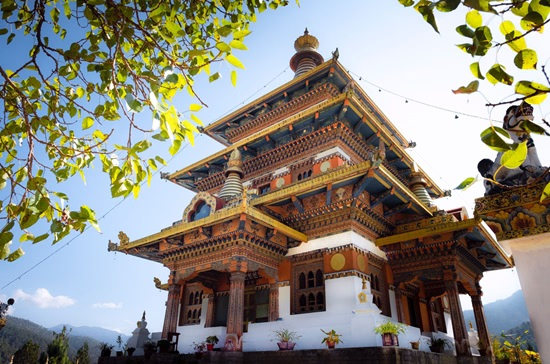
• Sopsokha Village
• Po Chhu Suspension Bridge
• Punakha Dzong
• Sangchhen Dorji Lhuendrup Nunnery
• Whitewater Rafting
• Khamsum Yulley Namgyal Chorten
Commonly known as Wangdue, the majority of this district is under environmental protection, with nearly half of its expanse falling within the boundaries of the Wangchuk Centennial Park, complemented by sections of the Jigme Dorji National Park. Additionally, the southeastern part of the district is integrated into the Jigme Singye Wangchuk National Park. The district also features vital biological corridors that intersect its terrain, serving as vital links within Bhutan's extensive national park system.
Gangtey and Phobjikha Valley emerge as the most sought-after tourist destinations in Wangduephodrang. Renowned for their serene beauty and natural splendor, these locales are particularly famous for hosting the annual Black-necked crane festival, a celebration that highlights the significance of these sacred majestic birds within the region's cultural and ecological landscape.
• Gangtey Goemba
• Black-necked Crane Festival
• Thenkor Yuetshe Trek
• Rada Lhakhang
• Gaselo and Nahee Village
• Rinchengang Village
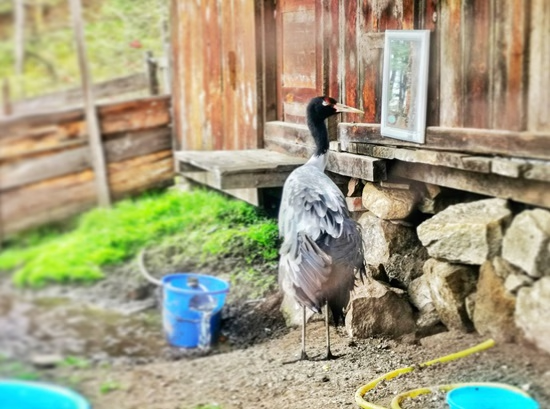
The district is sparsely populated, with small villages dotting the landscape and traditional Bhutanese farmhouses scattered throughout the valley. Haa is renowned for its traditional way of life, and visitors can immerse themselves in the local culture by participating in festivals, visiting monasteries, and exploring ancient temples.
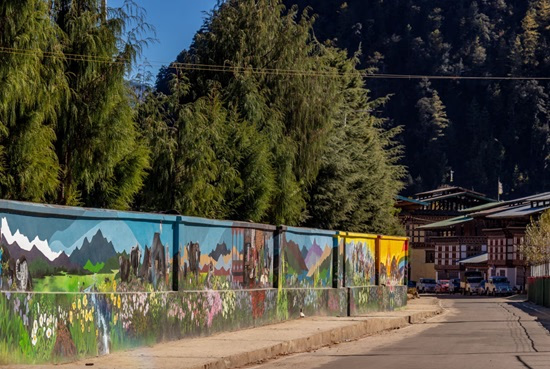
One of the highlights of Haa is the Haa Dzong, a historic fortress-monastery that overlooks the valley and serves as an administrative center for the district. The dzong is an architectural marvel, with intricate artwork, colorful murals, and sweeping views of the surrounding landscape.
Haa is also known for its delicious cuisine, with local specialties such as buckwheat pancakes, yak meat dishes, and homemade cheese. Visitors can sample these culinary delights at traditional restaurants and local eateries throughout the valley.
• Shelkar Drak
• Chhundu Lhakhang
• Haa Dzong
• Juneydrak Hermitage
7-day Bhutan Cultural Tour
7-day Druk Wangyel Tshechu Tour
7-day Thimphu Tshechu Tour
Western Bhutan is also renowned for its festivals, or "tshechus," which are vibrant celebrations featuring masked dances, religious ceremonies, and cultural performances. These festivals provide insight into Bhutanese folklore, religious beliefs, and societal customs.
Moreover, the region is dotted with numerous Buddhist monasteries and temples, each offering spiritual solace amidst breathtaking natural surroundings. Taktsang Monastery, also known as the Tiger's Nest, is one of the most iconic landmarks in western Bhutan, perched precariously on a cliffside and offering breathtaking views of the surrounding mountains and valleys.
Western Bhutan consists of the following 10 districts:
1. Samtse
2. Haa
3. Chhukha
4. Paro
5. Thimphu
6. Punakha
7. Gasa
8. Wangdue Phodrang
9. Dagana
10. Tsirang
Popular tourist destinations include Thimphu, Paro, Punakha, Wangdue Phodrang and Haa.
Thimphu
Thimphu is the capital and largest city of Bhutan, located in the western part of the country. It serves as the political, economic, and cultural center of Bhutan.The city is nestled in the picturesque Thimphu Valley, surrounded by towering mountains and lush green hillsides. Despite its status as the capital, Thimphu maintains a relatively small-town atmosphere compared to other capital cities around the world, with its development carefully managed to preserve Bhutanese heritage and values.
Thimphu is home to several significant landmarks, including the Tashichho Dzong, an impressive fortress-monastery that serves as the seat of the Bhutanese government and houses the throne room and offices of the king. The city also boasts numerous Buddhist temples and monasteries, such as the National Memorial Chorten, a stupa dedicated to world peace and prosperity.
Top Attractions in Thimphu
• Buddha Dordenma• Tashichho Dzong
• Jungshi Handmade Paper Factory
• Royal Textile Academy
• Simply Bhutan
• Folk Heritage Museum
• Motithang Takin Preserve
• Bhutan Postal Museum
• National Memorial Chorten
• Simtokha Dzong
• Dochula Pass
• Druk Wangyel Lhakhang
• Centenary Farmers Market
In addition to its cultural attractions, Thimphu offers modern amenities such as hotels, restaurants, and markets, where visitors can experience Bhutanese cuisine, crafts, and traditions. The city's streets are lined with colorful buildings adorned with intricate woodwork, reflecting Bhutan's distinct architectural style.
Paro
Paro is a picturesque town located in the Paro Valley of western Bhutan, renowned for its stunning natural scenery, rich cultural heritage, and historic significance. It is one of the most visited destinations in Bhutan due to its iconic attractions and vibrant atmosphere.The town is home to the only international airport in Bhutan, making it a convenient entry point for travelers visiting the country. Paro Airport is known for its challenging landing amidst the surrounding mountains, providing passengers with breathtaking views of the Himalayas.
One of the highlights of Paro is the Taktsang Monastery, also known as the Tiger's Nest, perched dramatically on a cliffside overlooking the valley. This sacred site is one of Bhutan's most iconic landmarks and a major pilgrimage destination for Buddhists.
Paro is also famous for its historic Paro Dzong, known as Rinpung Dzong, a fortress-monastery that serves as both a religious and administrative center. The dzong is a masterpiece of Bhutanese architecture, adorned with intricate woodwork, colorful paintings, and ornate carvings.
In addition to its cultural attractions, Paro offers opportunities for outdoor activities such as hiking, trekking, and birdwatching in the surrounding mountains and valleys. The town's bustling markets, quaint streets, and traditional architecture provide visitors with a glimpse into Bhutanese life and culture.
Top Attractions in Paro
• Taktsang Monastery• Kyichu Lhakhang
• Tachog Lhakhang
• Jangtsa Dumtseg Lhakhang
• Dra Karpo
• Kila Goenpa
• Zuri Dzong
• Paro Dzong
• Drugyel Dzong
• Dobji Dzong
• Namgay Artisanal Brewery
• Aum Choden Homestay
• Chencho Weaving House
• Chele La Pass
Punakha
Punakha is a historic town located in the Punakha Valley, known for its cultural significance and stunning natural beauty in western Bhutan. It served as the capital of Bhutan until 1955 and remains an important administrative and religious center.The town is famous for the Punakha Dzong, an architectural masterpiece situated at the confluence of the Pho Chhu and Mo Chhu rivers. This majestic fortress-monastery is one of the most beautiful and well-preserved dzongs in Bhutan, with intricate artwork, wooden carvings, and stunning panoramic views.
Punakha's mild climate and fertile valleys make it an ideal agricultural region, known for its rice paddies, fruit orchards, and vibrant flora. Visitors to Punakha can explore the surrounding countryside, hike through scenic trails, or engage in outdoor activities such as river rafting or kayaking.
The town also hosts colorful festivals and cultural events throughout the year, including the Punakha Tshechu, a lively celebration featuring masked dances, religious ceremonies, and traditional music.
Top Attractions in Punakha
• Chimi Lhakhang• Sopsokha Village
• Po Chhu Suspension Bridge
• Punakha Dzong
• Sangchhen Dorji Lhuendrup Nunnery
• Whitewater Rafting
• Khamsum Yulley Namgyal Chorten
Wangdue Phodrang
Situated in the western central region of Bhutan, Wangduephodrang encompasses a vast area of 4,308 square kilometers, making it one of the largest districts in the country. Referred to locally as 'Sha' or 'east', this region showcases a diverse range of climates, spanning from lush subtropical forests in the southern reaches to cooler, snow-clad landscapes in the northern territories.Commonly known as Wangdue, the majority of this district is under environmental protection, with nearly half of its expanse falling within the boundaries of the Wangchuk Centennial Park, complemented by sections of the Jigme Dorji National Park. Additionally, the southeastern part of the district is integrated into the Jigme Singye Wangchuk National Park. The district also features vital biological corridors that intersect its terrain, serving as vital links within Bhutan's extensive national park system.
Gangtey and Phobjikha Valley emerge as the most sought-after tourist destinations in Wangduephodrang. Renowned for their serene beauty and natural splendor, these locales are particularly famous for hosting the annual Black-necked crane festival, a celebration that highlights the significance of these sacred majestic birds within the region's cultural and ecological landscape.
Top Attractions in Wangduephodrang
• Gangtey/Phobjikha Valley• Gangtey Goemba
• Black-necked Crane Festival
• Thenkor Yuetshe Trek
• Rada Lhakhang
• Gaselo and Nahee Village
• Rinchengang Village
Haa
Haa is a scenic district located in western Bhutan, known for its pristine natural beauty, tranquil atmosphere, and rich cultural heritage. Tucked away in the Himalayas, Haa Valley is surrounded by snow-capped mountains and verdant forests, offering breathtaking vistas and opportunities for outdoor activities such as hiking and mountain biking.The district is sparsely populated, with small villages dotting the landscape and traditional Bhutanese farmhouses scattered throughout the valley. Haa is renowned for its traditional way of life, and visitors can immerse themselves in the local culture by participating in festivals, visiting monasteries, and exploring ancient temples.
One of the highlights of Haa is the Haa Dzong, a historic fortress-monastery that overlooks the valley and serves as an administrative center for the district. The dzong is an architectural marvel, with intricate artwork, colorful murals, and sweeping views of the surrounding landscape.
Haa is also known for its delicious cuisine, with local specialties such as buckwheat pancakes, yak meat dishes, and homemade cheese. Visitors can sample these culinary delights at traditional restaurants and local eateries throughout the valley.
Top Attractions in Haa
• Lhakhang Karpo and Lhakhang Nagpo• Shelkar Drak
• Chhundu Lhakhang
• Haa Dzong
• Juneydrak Hermitage
Popular Tour Packages to Western Bhutan
7-day Bhutan Tour with Haa Valley7-day Bhutan Cultural Tour
7-day Druk Wangyel Tshechu Tour
7-day Thimphu Tshechu Tour
Popular Bhutan Tour Packages
7 Day Essential Bhutan Itinerary
Top attractions, cultural experiences, and adventure activities.
10 Day Discover Bhutan
Thimphu to Paro — with Punakha, Bumthang, and Gangtey.
7 Day Luxury Retreat
Breathtaking landscapes, indulgent stays, and wellness.
Popular Bhutan Trekking Packages
7 Day Bhutan with Bum-Dra Trek
Views of Taktsang Monastery from above on a short trek.
9 Day DrukPath Trek
From Ta Dzong, Paro to the Takin Sanctuary, Thimphu.
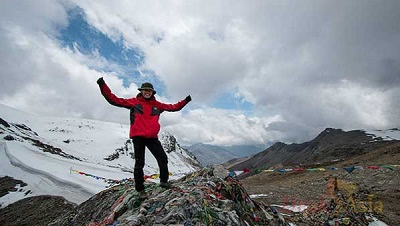
11 Day Jomolhari Trek
Bhutan's most beloved trek and the majesty of Mount Jomolhari.
Bhutan is calling — our Travel Specialists are ready to help you plan the perfect adventure.
Send an Enquiry