 Druk Asia
Trongsa, often referred to as the "gateway to central Bhutan," is home to the historic Trongsa Dzong, a massive fortress that played a crucial role in Bhutanese history as the seat of power for many centuries. The dzong's strategic location atop a ridge offers commanding views of the surrounding valleys and mountains.
Bumthang Valley is known as the spiritual heartland of Bhutan, dotted with sacred temples, monasteries, and pilgrimage sites. It is also renowned for its natural beauty, with lush valleys, pristine rivers, and picturesque villages.
Central Bhutan is rich in cultural heritage, with festivals such as the Jakar Tshechu in Bumthang and the Trongsa Tshechu in Trongsa showcasing traditional dances, religious rituals, and vibrant celebrations. These festivals provide insight into Bhutanese culture and spirituality while offering visitors a chance to immerse themselves in the local way of life.
Central Bhutan is a diverse and captivating region that offers a blend of natural beauty, cultural richness, and spiritual significance, making it a must-visit destination for travelers seeking an authentic Bhutanese experience.
Western Bhutan encompasses the following 4 districts:
1. Bumthang
2. Trongsa
3. Zhemgang
4. Sarpang
Bumthang
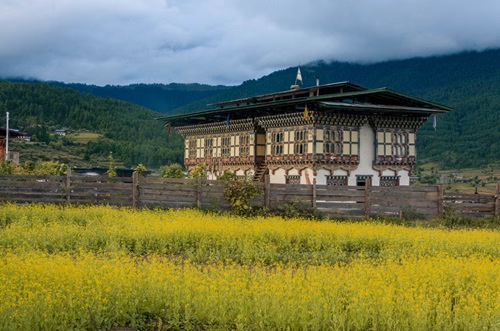
Bumthang is a picturesque district located in central Bhutan, often referred to as the "spiritual heartland" of the country due to its rich religious heritage and stunning natural scenery. The district comprises four main valleys: Chokhor, Tang, Ura, and Chhume.Bumthang is renowned for its sacred temples, monasteries, and pilgrimage sites, including the Jambay Lhakhang and Kurjey Lhakhang, which are believed to have been built in the 7th century. These sites attract devout Buddhists and spiritual seekers from around the world.
The district is also known for its vibrant Tshechu festivals, with the Jakar Tshechu being one of the most celebrated events in Bhutan. During this festival, masked dances, religious ceremonies, and cultural performances take place, providing insight into Bhutanese traditions and beliefs.
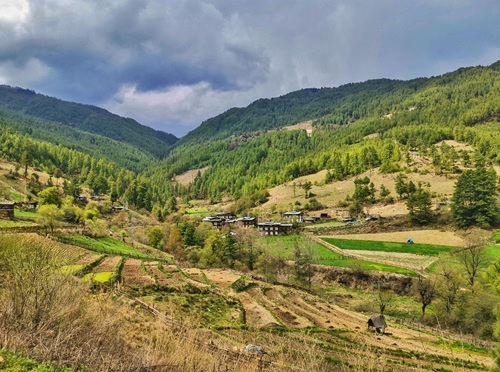
In addition to its cultural significance, Bumthang boasts breathtaking natural landscapes, including lush valleys, meandering rivers, and rolling hillsides. Visitors can explore the region's pristine forests, go hiking or trekking, and enjoy outdoor activities such as birdwatching and camping.
Bumthang's charming villages and traditional architecture add to its allure, offering visitors a glimpse into rural Bhutanese life. The district is also known for its handicrafts, particularly woolen textiles and intricately woven fabrics produced by local artisans.
Top Attractions in Bumthang
• Kurjey Lhakhang• Jambay Lhakhang
• Jakar Dzong
• Mebar Tsho (Burning Lake)
• Bumthang Brewery and Cheese Factory
• Yathra Weaving Centre
Trongsa
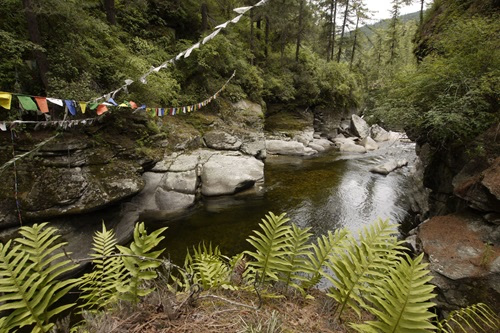
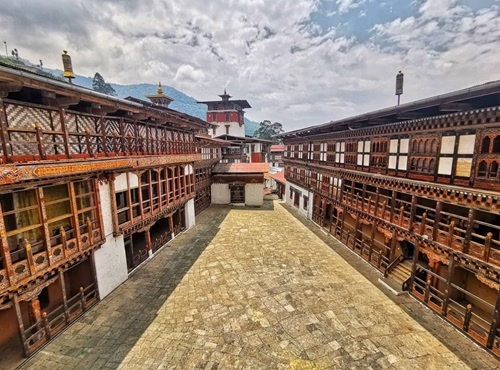
Trongsa is a historic district located in central Bhutan, renowned for its strategic location and significant cultural heritage. It serves as a gateway between western and eastern Bhutan, making it an important hub for trade and transportation.The highlight of Trongsa is its majestic fortress-monastery, Trongsa Dzong, which stands on a steep ridge overlooking the Mangde Chhu river. This impressive structure served as the seat of power for Bhutanese rulers for centuries and played a pivotal role in the country's history.
Trongsa Dzong is not only a symbol of Bhutanese architecture but also houses several temples, administrative offices, and a museum showcasing artifacts and exhibits related to Bhutan's royal lineage and cultural heritage.
Aside from its architectural marvels, Trongsa is surrounded by stunning natural landscapes, including lush forests, cascading waterfalls, and panoramic mountain vistas. Visitors can explore the picturesque countryside, go hiking or trekking, and enjoy outdoor activities such as birdwatching and wildlife spotting.
Top Attractions in Trongsa
• Trongsa Dzong• Chendebji Chorten
• Kuenga Rabten Palace
• Royal Heritage Museum (Tower of Trongsa)
• Sangchen Ogyen Tsuklag Monastery
Zhemgang
Situated in the southern foothills of the Himalayas, Zhemgang is characterized by dense forests, cascading waterfalls, and rugged terrain.The district is home to several ethnic minority groups, including the indigenous Khengpa people, who have preserved their traditional way of life and cultural practices for centuries. Visitors to Zhemgang can experience the rich cultural diversity of the region through interactions with local communities, participation in traditional ceremonies, and exploration of unique customs and traditions.
Zhemgang is also renowned for its abundant wildlife and conservation efforts. The district is part of the Royal Manas National Park, a UNESCO World Heritage Site, which is home to a wide variety of species, including Bengal tigers, Asian elephants, and endangered birds such as the white-bellied heron.
Zhemgang offers opportunities for outdoor activities such as hiking, birdwatching, and wildlife safaris. Visitors can explore the pristine forests and rivers of the region while enjoying the tranquility and serenity of the Bhutanese countryside.
Bhutan Bird Festival in Zhemgang
The Bhutan Bird Festival in Zhemgang is an annual event that celebrates the rich avian diversity of Bhutan and promotes conservation efforts. Held in the district of Zhemgang, known for its pristine forests and abundant wildlife, the festival attracts bird enthusiasts, researchers, and conservationists from around the world.During the festival, participants have the opportunity to engage in various activities such as birdwatching tours, guided nature walks, and bird identification workshops. Experts lead discussions on bird behavior, ecology, and conservation, providing valuable insights into Bhutan's unique avifauna.
The Bhutan Bird Festival also features cultural performances, exhibitions, and local cuisine, allowing visitors to immerse themselves in Bhutanese culture while learning about the importance of bird conservation. The festival aims to raise awareness about the threats facing bird populations and the importance of preserving their habitats for future generations.
The Bhutan Bird Festival in Zhemgang provides a platform for education, appreciation, and conservation of birds, highlighting Bhutan's commitment to environmental stewardship and biodiversity conservation.
Sarpang
Situated in the subtropical lowlands, Sarpang enjoys a warm climate and is one of the country's primary agricultural regions, producing crops such as rice, oranges, and vegetables.The district is home to a mix of ethnic groups, including the indigenous Lhotshampas, who primarily engage in farming and trade. Sarpang's cultural landscape is enriched by vibrant festivals, traditional dances, and religious rituals that celebrate the region's diverse heritage.
Sarpang is also known for its conservation efforts, with areas such as the Royal Manas National Park and the Phibsoo Wildlife Sanctuary providing habitat for a wide range of species, including Bengal tigers, Asian elephants, and rhinoceroses.
Sarpang also serves as a vital transportation hub, connecting southern Bhutan with neighboring Indian states. The district's infrastructure, including roads and bridges, facilitates trade and commerce, contributing to its economic development.
Popular Tour Packages to Central Bhutan
10-day Central Bhutan Cultural Tour10-day Jakar Tshechu Tour
