 Druk Asia
Preparing your journey…
7 Day Bhutan International Marathon
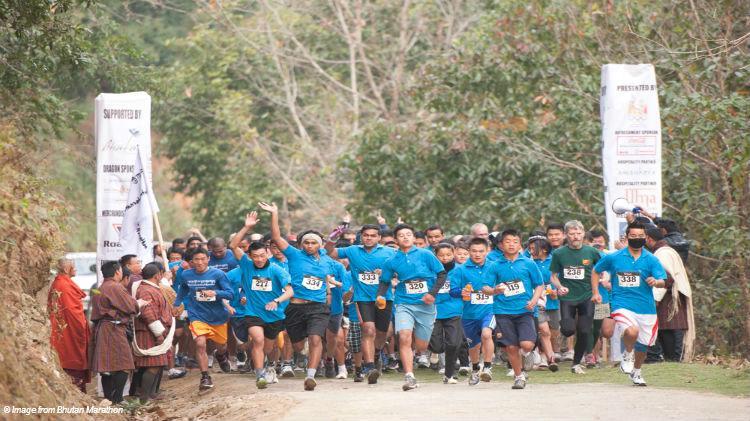
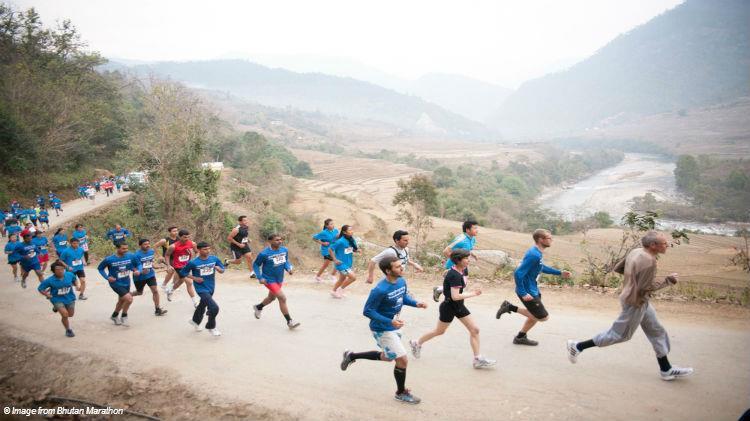
If you’re eyeing a truly unforgettable marathon experience, the Bhutan International Marathon 2026 is shaping up to be one of the most magical yet.
When & Where
The race is set for Saturday, 7 March 2026.
It unfolds in the Punakha Valley, offering runners sweeping valley views and dramatic landscapes.
Race Options & Format
You’ll have two distance choices:
| Distance | Approx. | Start Time | Cut-off | Highlights |
| Full Marathon (≈ 42.195 km) | Mixed terrain: ~50% hard-packed dirt + ~50% paved roads | 08:00 local | 7 hours | Traverse rural trails, suspension bridge crossings, scenic descents to Punakha Dzong finish |
| Half Marathon (≈ 21.1 km) | About 40% dirt + 60% road | 08:00 local | Same cut-off | A condensed but scenic version of the full route, passing rivers, temples, and valleys |
Both courses lean slightly downhill overall, making them manageable yet still demanding.
Registration & Fees
Registration opens ahead of the March date.
Entry for the Half Marathon is around 125 USD, and Full Marathon about 175 USD.
The marathon has a 7-hour cut-off.
Book your 7-day Bhutan International Marathon Tour and turn your race into a once-in-a-lifetime Himalayan adventure. Beyond the thrill of running through Punakha’s scenic valleys and across iconic suspension bridges, this curated journey lets you immerse yourself in Bhutan’s rich culture and spiritual heritage.
You’ll acclimatise in Paro with visits to sacred monasteries, discover the architectural splendour of Punakha Dzong, and round off your trip with the iconic hike to Tiger’s Nest. Along the way, enjoy authentic Bhutanese hospitality, hearty local cuisine, and breathtaking landscapes that make this more than just a marathon—it’s a mindful journey woven with cultural discovery and personal triumph.
All our tours are fully customisable — the itineraries you see are simply a starting point. We'll work closely with you to tailor every detail.
7 Day Bhutan International Marathon Itinerary
1 Arrival in Paro, head to Thimphu
- Night view of Buddha Point [1 hour] - The view of Thimphu valley from the Buddha point is spectacular and beautiful,, especially at night.
- Walk Around Thimphu Town [1 hour] - Strolling around Thimphu town offers a delightful blend of tradition and modern life in Bhutan’s capital. Start at Clock Tower Square, the lively heart of the city—adorned with carved wooden façades, prayer wheels, and water fountains —and a charming spot to linger while locals chat or browse the weekend market. From here, wander down Norzin Lam, Thimphu’s main street, where boutique shops, handicraft stores, and cafés invite you in. Along the way, admire traditional architecture—ornate wood carvings, colourful murals, and fluttering prayer flags—woven seamlessly into everyday life.
2 Thimphu
- Buddha Point [1 hour] - Towering above Thimphu Valley from the tranquil Kuenselphodrang Nature Park, the majestic Buddha Dordenma is a sight to behold. Standing at a staggering 51.5 metres, this golden statue is one of the largest seated Buddhas in the world—and it’s not just its size that impresses. Nestled inside are over 100,000 smaller Buddha statues, each crafted with the same devotion and detail. More than a monument, the Buddha Dordenma is a symbol of indestructibility and spiritual awakening, believed to bless the land with peace and harmony.
- National Memorial Chorten [1 hour] - Immerse yourself in the spiritual rhythm of Thimphu with a visit to the National Memorial Chorten, where locals—especially the elderly—gather daily to walk in prayerful circles, spinning prayer wheels and murmuring mantras in a peaceful flow of devotion. Built in 1974 to honour the beloved Third King, this white-washed stupa is a living sanctuary. Step inside and you’ll find vibrant murals, intricate mandalas, and detailed sculptures that beautifully illustrate Buddhist teachings. If you're seeking serenity or a glimpse into Bhutanese spiritual life, this is a place that quietly leaves a lasting impression.
- Wangditse Day Hike [2 hours] - A hike to Druk Wangditse Lhakhang, often called Wangditse is a delightful half day escape just above Thimphu. Starting from the BBS tower (Sangaygang), it’s an easy, family friendly trek through pine, oak and rhododendron woodland that takes about 1–1.5 hours each way. The trail winds past apple orchards and local homes before reaching the charming 18th century hilltop temple. From here, you’re rewarded with sweeping views of Tashichho Dzong, the Buddha Dordenma statue, Thimphu town and the valley beyond.
- Motithang Takin Preserve [2 hours] - Visiting the Motithang Takin Preserve in Thimphu is a delightful and serene experience—it’s the national animal’s very own sanctuary, nestled just 15–20 minutes from the city centre. What began as a humble mini-zoo became something far more fitting: a forested 3.4-hectare reserve where takin, Bhutan’s unique goat–cow creatures, have chosen to stay even when released into the wild. It’s a charming, low-key wildlife encounter that captures Bhutan’s gentle spirit—perfect for families, nature lovers, and anyone curious about the country’s living symbols.
- Centenary Farmers' Market [1 hour] - Visiting the Centenary Farmers’ Market in Thimphu is a sensory delight and a peek into the everyday rhythm of Bhutanese life. Held every weekend, the market buzzes with energy—you’ll see locals mingling, laughter drifting through the air, and colourful stalls overflowing with fresh produce. Pick up crisp red apples, leafy greens, fragrant herbs, and seasonal vegetables, all grown by nearby farmers. There’s also an inviting food corner where you can sample hot momos, sweet orange slices, and freshly pressed fruit juices. Wander through the craft stalls, where artisans display hand-carved wooden utensils, woven baskets, and traditional textiles—perfect for unique souvenirs.
- Tashichho Dzong (Thimphu Dzong) [1 hour] - Tashichho Dzong, often called the “Fortress of the Glorious Religion,” is one of Thimphu’s most iconic landmarks—and a must- visit for anyone wanting to understand the soul of Bhutan. First built in 1641 and later restored by the visionary Third King, Jigme Dorji Wangchuck, this grand fortress sits majestically along the banks of the Wang Chhu River. By day, it functions as the seat of Bhutan’s government and religious affairs, housing key ministries, His Majesty’s office, and the central monastic body. By evening, it transforms into a serene and majestic sight, its golden roofs glowing against the backdrop of the setting sun. You can stroll through its beautifully maintained courtyards, admire traditional Bhutanese architecture, and get a rare glimpse into the harmonious blend of spiritual and administrative life.
3 Thimphu to Punakha
- Dochula Pass [1 hour] - Perched at an altitude of 3,100 metres, Dochula Pass is one of Bhutan’s most serene and awe-inspiring mountain passes. Often cloaked in mist and prayer flags fluttering in the breeze, it’s a place where time seems to slow down. The pass is adorned with 108 memorial chortens, built in honour of Bhutanese soldiers, and offers panoramic views of the snow-capped Himalayan range on clear days. Whether you're pausing for reflection or simply soaking in the stillness, Dochula invites you to breathe deeply, feel the peace, and reconnect with the beauty of the journey.
- Druk Wangyal Chortens [1 hour] - The construction of the 108 chortens at Dochula Pass was commissioned by Her Majesty The Queen Mother, Ashi Dorji Wangmo Wangchuck, to commemorate Bhutan’s victory over Indian insurgents and to honor the fallen by liberating their souls through this sacred offering.
- Chimi Lhakhang [1 hour] - Nestled in the charming village of Sopsokha, Chimi Lhakhang —also known as the Fertility Temple—stands atop a gentle hill near Lobesa. Built in 1499 by Ngawang Choegyel, the 14th Drukpa Hierarch, the monastery is dedicated to the revered and unconventional saint, Lama Drukpa Kunley, famously known as the Divine Madman for his unorthodox teachings and eccentric behavior. To reach the temple, enjoy a scenic 30- minute walk through terraced paddy fields and a quaint village path. Pilgrims from all over the world visit Chimi Lhakhang to seek blessings for fertility, and many couples have returned to share stories of their answered prayers. A visit here offers not only cultural insight but also a peaceful connection with Bhutan’s spiritual traditions.
- Pho Chhu Suspension Bridge [1 hour] - Stretching 160 metres across the Pho Chhu River, this is the longest suspension bridge in Bhutan. From its swaying span, you’ll be treated to breathtaking views of the majestic Punakha Dzong and the lush Pho Chhu Valley —an unforgettable vantage point for photos and quiet reflection.
- Punakha Dzong [1-2 hours] - Step into the heart of Bhutanese history and spirituality with a visit to Punakha Dzong, one of the most iconic and breathtaking fortresses in the country. Nestled at the sacred confluence of the Pho Chu and Mo Chu rivers, this architectural masterpiece was built in 1637 by Zhabdrung Ngawang Namgyal, the great unifier of Bhutan. As you cross the traditional wooden cantilever bridge and approach the grand whitewashed walls, you’ll be walking the very grounds where Bhutan’s dual system of governance was first introduced—and where the first King, Gongsar Ugyen Wangchuck, was crowned in 1907. Despite enduring fires and an earthquake, the dzong stands today fully restored—thanks to the vision of the 4th King, Jigme Singye Wangchuck. It now serves as the winter residence of the Je Khenpo, the spiritual head of Bhutan, and houses a monastic community of over 1,000 monks. Marvel at the intricate woodwork and artistry that adorn the halls and courtyards, and let the sacred energy of this historic site leave a lasting impression on your journey.
4 Punakha, Bhutan International Marathon
5 Punakha to Paro
- Paro Valley [1 hour] - Paro Valley is one of Bhutan’s most breathtaking regions, offering a stunning blend of natural beauty, cultural depth, and spiritual heritage. The beautiful valley is home to many of Bhutan's oldest monasteries and temples. At the northern end of the valley towers Mount Jomolhari, rising to 7,300 metres, whose glacier-fed waters form the Pachu River that flows serenely through the valley. Surrounded by pine forests, terraced fields, and traditional farmhouses, Paro Valley captures the timeless charm of Bhutan, making it an unforgettable destination for nature lovers and culture seekers alike.
- National Museum(Ta Dzong) [1 hour] - Perched above Paro Dzong, Ta Dzong is a striking circular fortress that now houses Bhutan’s National Museum. Originally built in 1649 as a watchtower to guard the valley, it was transformed into a museum in 1968 under the initiative of King Jigme Dorji Wangchuck. The museum showcases over 3,000 artefacts spanning more than 1,500 years of Bhutanese history, including ancient weapons, royal heirlooms, religious relics, textiles, and natural history displays. The architecture itself is remarkable, constructed without the use of nails and featuring thick stone-and-wood walls. With panoramic views over Paro Valley, a visit to Ta Dzong offers a rich and immersive journey through Bhutan’s cultural and spiritual heritage.
- Paro Dzong (aka Rinpung Dzong) [1 hour] - Paro Dzong—also known as Rinpung Dzong, or the “Fortress of a Heap of Jewels”—is a spectacular hilltop monastery-fortress overlooking the Paro River and valley. Built in 1646 on an earlier temple site, it remains one of the finest examples of Bhutanese architecture, with soaring wooden beams, an iconic cantilever bridge and numerous shrines and chapels inside. It has served both as a defensive stronghold against Tibetan invasions and as the administrative and monastic centre for Paro district. Today it’s still home to around 200 monks, hosts the colourful Paro Tsechu festival, and offers visitors a serene yet awe-inspiring glimpse into Bhutan’s spiritual and cultural heritage.
- Walk around the Paro Town [1 hour] - Take a leisurely stroll through Paro town, exploring traditional Bhutanese shops, browsing handcrafted treasures, and relaxing in charming local cafés—soaking in the town’s unique blend of culture and charm.
- Kyichu Lhakhang [1 hour] - At 1300 years old, Kyichu Lhakhang is one of Bhutan’s oldest and most sacred temples, believed to have been built in the 7th century by Tibetan Emperor SongtsenGampo as part of a spiritual mission to subdue a demoness and spread Buddhism. Located just north of Paro, it is often referred to as the “Sacred Jewel of Bhutan.” Over the centuries, the temple has been expanded and visited by many great masters, including Padmasambhava. It's a peaceful and deeply spiritual place, cherished by pilgrims and visitors alike.
- Kaja ThromParo [1 hour] - Immerse yourself in the local way of life with a visit to Kaja Throm, Paro's bustling open-air weekend market. Stroll past colorful stalls offering fresh organic produce, handmade textiles, Bhutanese snacks, and artisanal crafts. It’s the perfect spot to mingle with locals, sample seasonal delicacies, and support small-scale farmers and entrepreneurs.
6 Paro, Takstang Monastery
Are you ready? We will be making the hike up to one of the key highlights in Bhutan today! Tiger's Nest aka Taktsang Monastery.
- Taktsang Monastery [6 hours] - They say, "a visit to Bhutan is not complete without climbing up to the Tiger's Nest". Taktsang Monastery, famously known as the Tiger’s Nest, is Bhutan’s most iconic landmark, dramatically perched on a cliffside 3,120 metres above sea level in Paro Valley. According to legend, Guru Padmasambhava flew to this site in the 8th century on the back of a tigress and meditated in a cave that now lies at the heart of the monastery. Built in 1692, the complex includes temples, meditation caves, and stunning viewpoints that seem to defy gravity. Reaching the monastery involves a scenic 2–3 hour hike through pine forests and fluttering prayer flags—a spiritual and physical journey that rewards you with breathtaking views and deep serenity.
- Hot Stone Bath [1 hour] - Sink into the comforting warmth of a traditional Bhutanese hot stone bath—an age-old ritual where nature, healing, and heritage come together in perfect harmony. As fire-roasted river stones are carefully dropped into a wooden tub filled with mineral-rich water, they crackle and hiss, releasing therapeutic heat and minerals believed to soothe tired muscles and boost circulation. Infused with fresh mountain herbs known for their calming aromas and medicinal properties, the bath envelops you in a cocoon of peace and restoration. In the quiet embrace of a rustic bathhouse, you’ll feel stress melt away, leaving only stillness and serenity behind. Additional charges apply.
7 Depart Paro








Community Partners
Your journey contributes directly to local communities. Complete a feedback form after your tour and Druk Asia will donate to your chosen cause.
 Gyalyum Trust
 VAST Bhutan
 Museums of Bhutan
Let's Customise Your Dream Bhutan Adventure
Join over 22,940+ happy travellers who've trusted our Bhutan experts to craft journeys that are anything but ordinary.
- Visa guaranteed — or your money back
- Pick your perfect stay — charming farmstay or luxe hotel
- Design your day — change activities even while you're in Bhutan
- Add a vibrant festival — timing around Bhutanese celebrations is pure magic
- Hike more, or hike less — totally your pace
- Experience Bhutan like a local — hot stone bath, cooking session, astrology reading
What Our Travellers Say
Hi Sangay, Thanks for the warm welcome back! Yes... It’s an amazing trip and I had a wonderful experience with Karma Dorji as my guide (Your friend). Everything went smoothly - weather, food, people, sightseeing, transportation, hotel. Perhaps an area that seriously need improvement will be the Wi-Fi connection in Metta Resort & Spa. To a tourist, that facility is extremely essential to connect to his family and even office. Apart from that, 2 thumbs up, I love the place, the marathon and thanks Sangay for all the advice and pre-arrangements. Finally, yes you may share the photos attached to your future travellers. Regards Eddie Lim
