 Druk Asia
The Land of Happiness
A mystical Himalayan kingdom where ancient culture, breathtaking landscapes, and vibrant festivals await every traveller.
Bhutan, the Land of the Thunder Dragon
The Kingdom of Bhutan is a tranquil country where you can explore the ancient cultures, beautiful landscapes and magnificent architecture. Bhutan, called Druk Yul by its people, is known as the "Land of the Thunder Dragon". Located on the eastern edge of the Himalayan Mountain region, a large part of the area is forested, welcoming a diverse ecosystem of flora and fauna.
Bhutan has a rich culture where most of its 700,000 inhabitants practice the Buddhist religion. Only since the mid-1970s has technology come to Bhutan. It has become the ultimate tourist destination for adventurers, spiritual awakenings, and serene visages.
Where is Bhutan located?
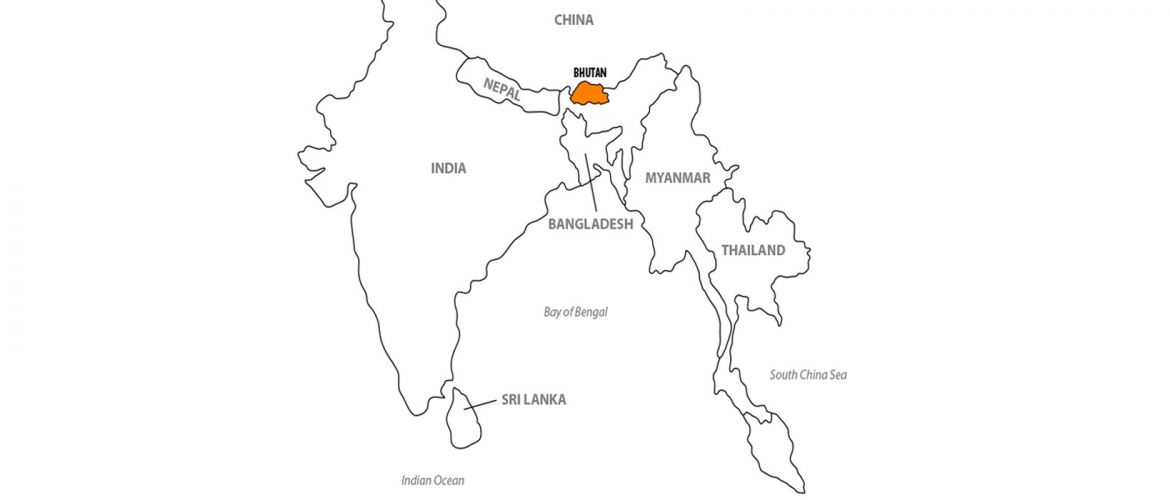
A small landlocked country in South Asia, sandwiched between China in the north and India in the south. Total land area of 38,394 km² with a population of around 771,608.
Kuzuzangpola
The most commonly used Bhutanese greeting — a warm welcome from the Land of the Thunder Dragon.
How to Get to Bhutan
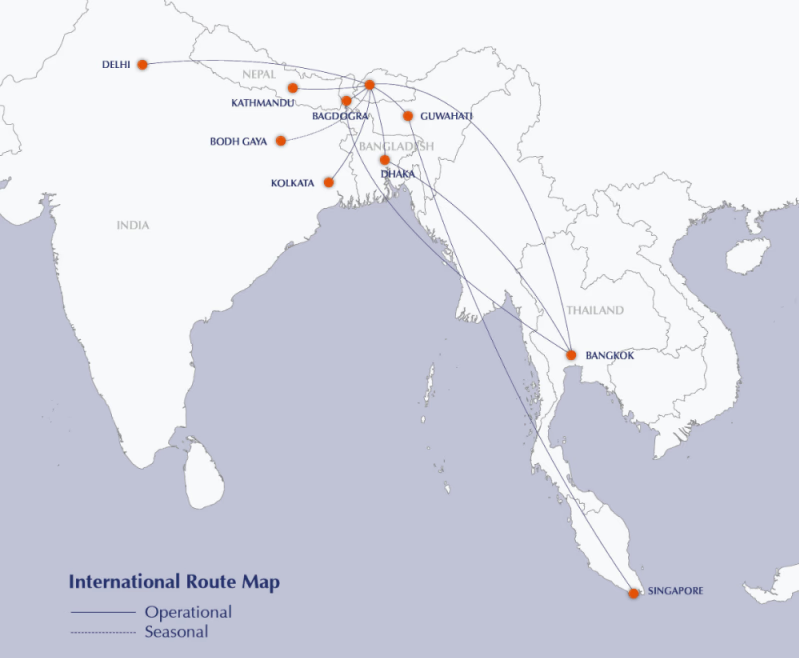
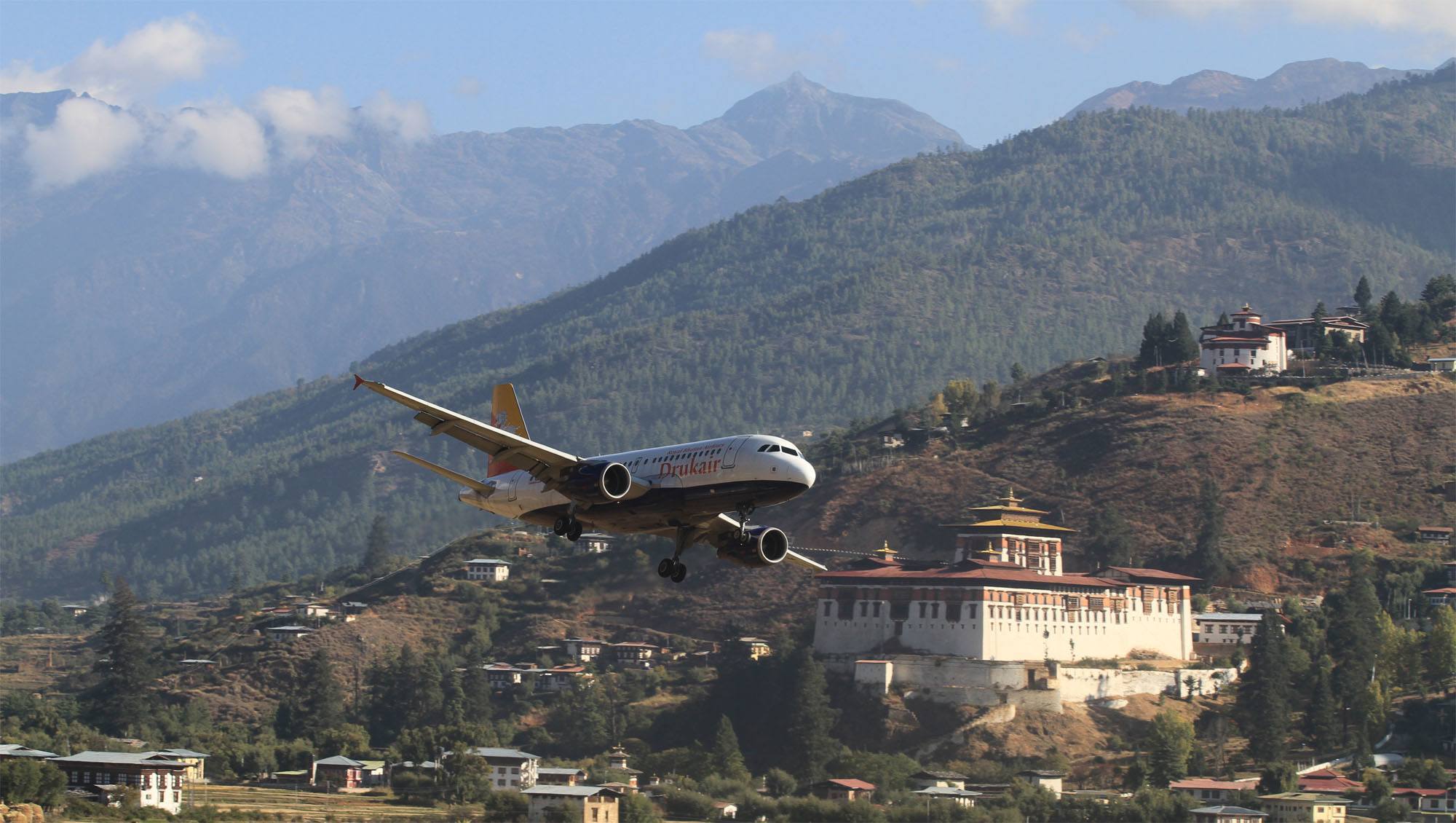
Drukair, The Royal Bhutan Airlines, has flights entering through the illustrious Paro Valley, operating out of nine cities in six countries. Flights from Bangkok and Kathmandu have daily arrivals. Other routes connect Singapore, Dhaka, Sydney, and several Indian cities.
Flying to Bhutan from:
High Value — Low Volume Tourism
Bhutan's Royal Government limits the number of tourists to protect its culture and environment — a philosophy of "High Value, Low Volume" tourism. Tourism must be sustainable and environmentally friendly.
To avoid the effects of mass tourism, the Government of Bhutan implements a Sustainable Development Fee (SDF) for all tourists. Find out more about the latest SDF for Bhutan →
Did You Know?
Tourism is the second highest economic contributor to Bhutan, after agriculture. The government has extended tourism areas to include once-protected communities and natural reserves.
Festival Calendar
Discover the upcoming Bhutan festivals! Dive into vibrant Tshechu celebrations filled with unforgettable experiences, and plan your trip to coincide with these sacred events.
Accommodation in Paro, Thimphu, and Punakha can be fully booked months in advance — early booking is highly recommended.
Gross National Happiness
Bhutan is famously the first country to measure progress based on happiness. The 4th Druk Gyalpo coined the term Gross National Happiness (GNH) — used to measure development instead of Gross National Product (GNP).
The happiness of the Bhutanese is more important than material growth. The GNH Commission measures how people fare across nine domains: living standards, education, health, cultural diversity, community vitality, time use, psychological wellbeing, ecological diversity, and good governance.
Learn About GNH →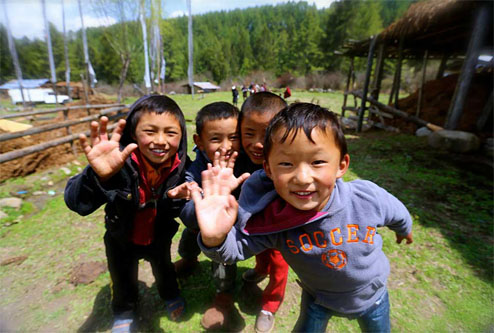
Districts & Zones
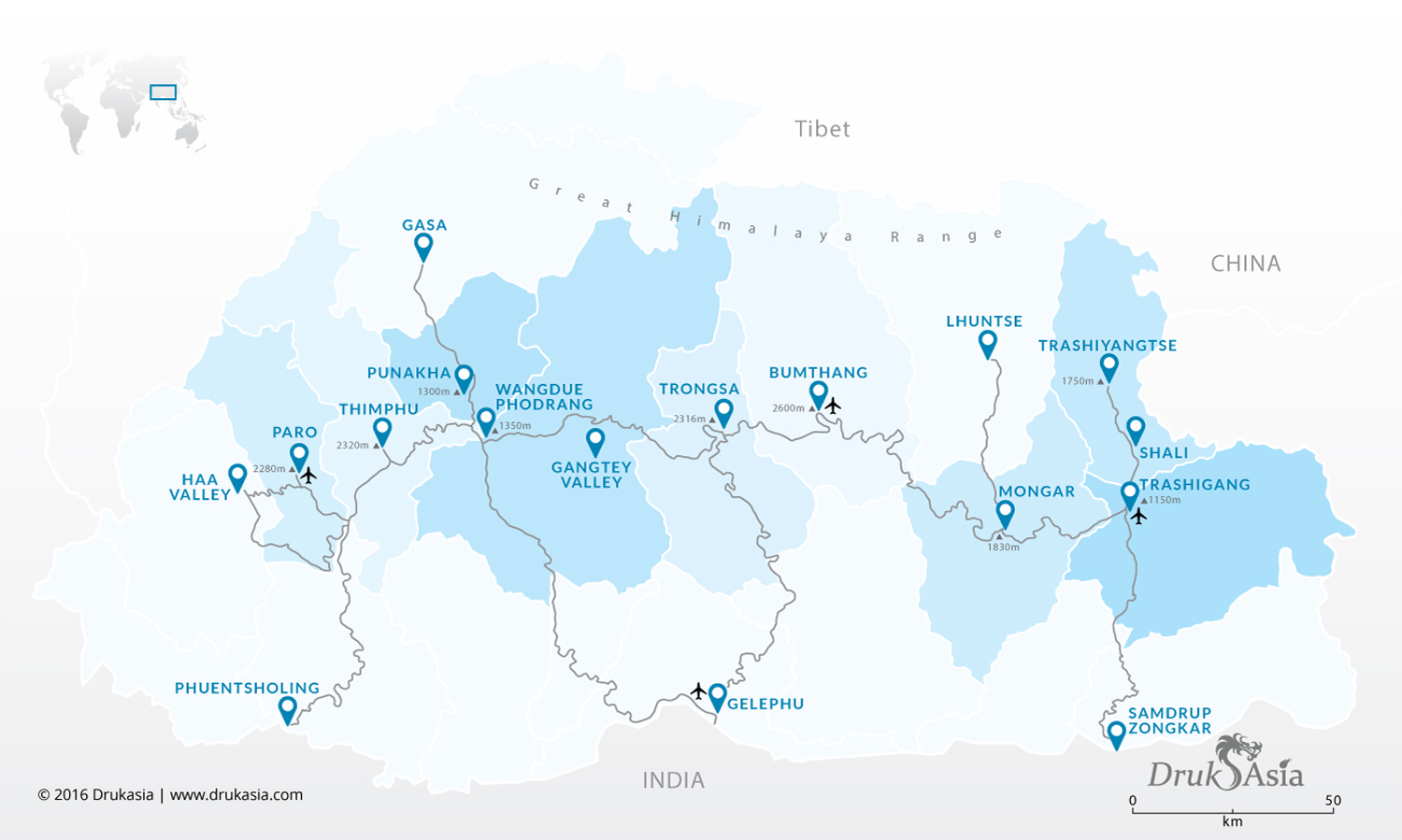
Bhutan has 4 zones and 20 districts, each unique and offering travellers new experiences.
Eastern Bhutan
Southern Bhutan
Bhutan Visa System
Visas are issued when you enter Bhutan, but you must have prior authorisation before your trip. An authorised Bhutan travel company can arrange your visa, accommodations, and tour packages.
Top 10 Attractions in Bhutan
From sacred monasteries to vibrant festivals — the best of Bhutan.
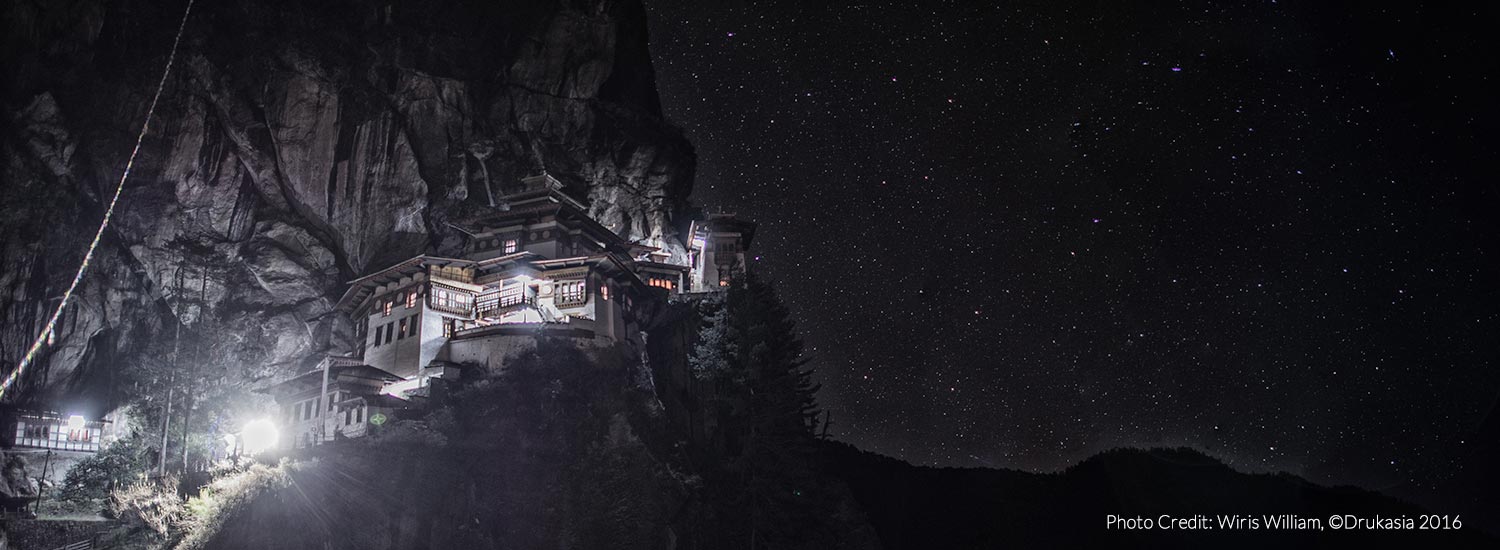
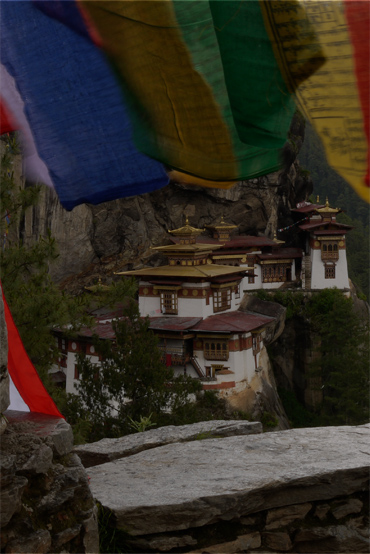
The most spiritual place in Bhutan, sitting on the edge of a mountainside above the Paro Valley. Built to commemorate Guru Rinpoche, 3,000 feet above the valley.
Surrounded by Jacaranda trees, resting at the convergence of the Mo Chhu and Pho Chhu Rivers — one of the most beautifully crafted dzongs in Bhutan.
Religious festivals honouring Guru Rinpoche, held in dzongs throughout the year. The Punakha Tshechu reenacts the 1634 Battle of the Five Lamas.
A 2–3 day guided trek to the Bumdra Monastery, through breathtaking valleys and The Cave of a Thousand Prayers.
A 12-day moderate trek reaching 4,700m elevation, exploring wildlife, mountain peaks, and ancient temples.
A massive region of apple orchards, dairy farms, and rice fields. Home to Bhutan's first Swiss cheese factory and the famous Red Panda brewery.
A resort-style retreat with 11 luxury rooms, exquisite valley views, a romantic restaurant, and a luxurious spa with hot stone bath treatments.
An endangered species celebrated annually in Phobjikha Valley. The 9-day festival is held on the King's birthday, November 11th.
Handwoven and dyed with intricate patterns by Bhutanese women. The National Textile Museum is in Thimphu.
A beautifully carved temple where Guru Rinpoche meditated, leaving his impressions on the rock — still visible today.
Outdoor Adventures
Unique adventures unlike any other. Whether you want to trek overnight, explore river rafting, or tee off on a golf course — our travel advisors can craft the perfect itinerary.
The Royal Thimphu Golf Club — a 9-hole public course with a direct view of the Trashi Chhoe Dzong and the King's palace.
Paved roads and off-road trails through towns and villages. Some terrain is challenging in the mountainous region — perfect for adventurers.
Tours on 6 major rivers with varying currents. Spot natural wildlife, ancient temples, and unique landscapes along the way.
Fitting In Like a Local
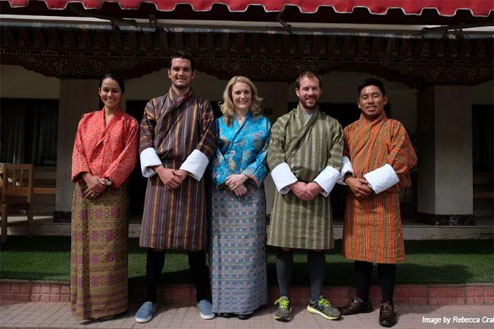
Wear a gho (men) or kira (women) — traditional Bhutanese garments available to try at festivals.
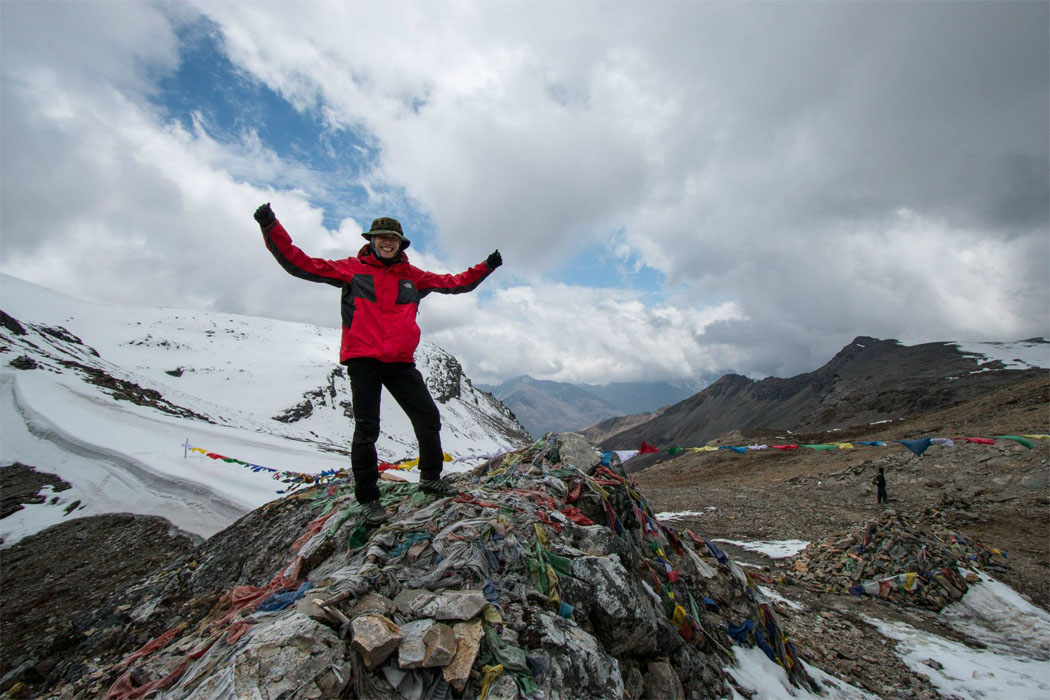
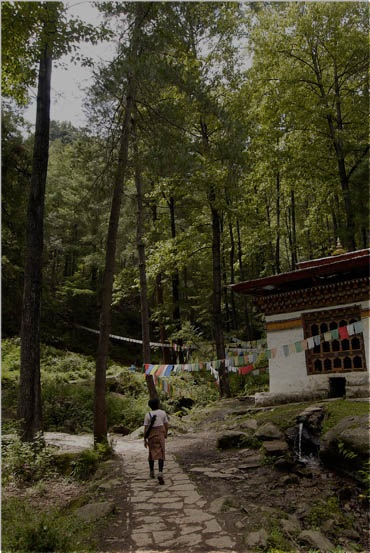
Hang prayer flags along places of spiritual importance to bless the surroundings.
Stay overnight with a Bhutanese family. Druk Asia can arrange a farmhouse stay.
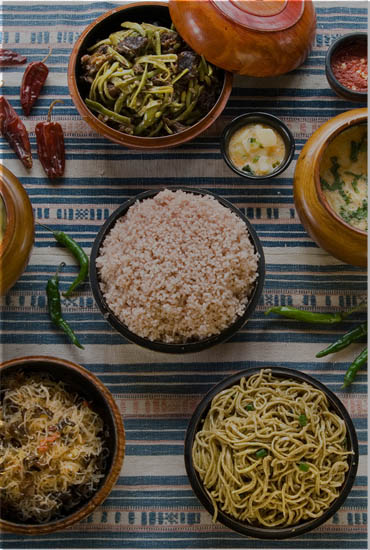
Try traditional snacks — yak cheese, jellied cow skin, or the Uma Burger with yak patties and Bumthang Gouda.
Pamper Yourself in Luxury
Bhutan's high-end luxury resort hotels offer quality relaxation packages. The Dotsho (traditional hot stone bath) is available in most hotels. Uma Paro offers massage and yoga, Taj Tashi has authentic Indian wellness treatments at the Jiva Spa, and Zhiwa Ling offers meditation classes with views of Tiger's Nest.
View Luxury ToursBhutan Facts
Some fascinating facts to get you started on your Bhutan journey.
Bhutan's King & Queen
His Majesty King Jigme Khesar Namgyel Wangchuck married commoner Jetsun Pema. The fifth ruler in his family line — deeply admired and loved by the Bhutanese people.
National Flower
The Himalayan Blue Poppy (Euitgel Metog Hoem) — a unique flower that grows above tree level on rocky mountain regions.
State Religion
Vajrayana Buddhism — Bhutan is the last kingdom to practice it. Teachings embrace emptiness, wisdom, compassion, and skillful means.
National Animal
The Takin (gnu goat) — lives in forested mountain areas above 4,000m. Stocky body, short legs, two-toed hooves — and an endangered species.
National Sport
Archery became Bhutan's national sport in 1971. Tshering Choden became the first female archer invited to the Summer Olympic Games.
National Carrier — Drukair
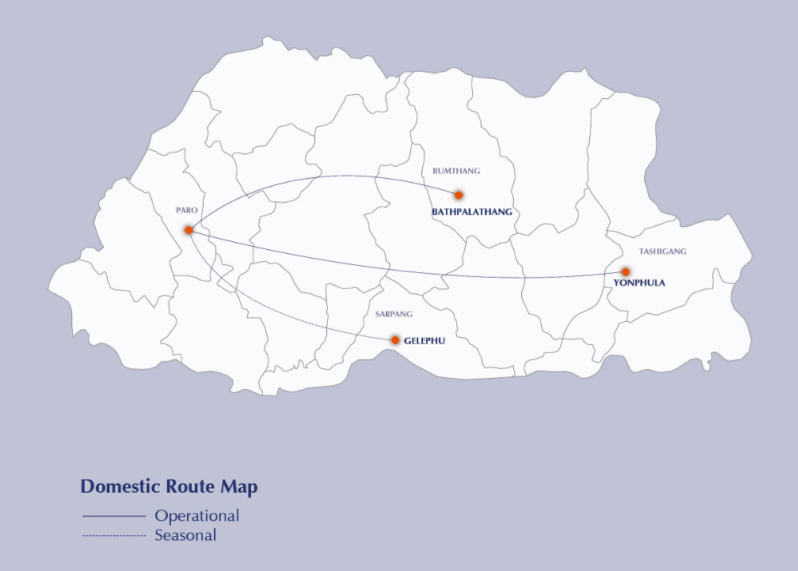
Established in 1981, Drukair now operates across 6 countries and 12 cities — connecting Dhaka, Kathmandu, Bangkok, Singapore, and several Indian cities. Three airports: Paro, Bumthang, and Gelephug.
Weather & Temperature
Five seasons: Spring, Summer, Monsoon, Autumn, and Winter. Temperature ranges from subtropical to arctic depending on elevation. The west has heavy Indian monsoon rains June–September.
Bhutan Language
Dzongkha is the official language. At least 19 dialects are spoken across the country. English is the medium of instruction in schools.
Bhutan Currency
Ngultrum (NU) is Bhutan's currency. Indian rupees are also accepted at shops and restaurants around the country.
Culture & Costume
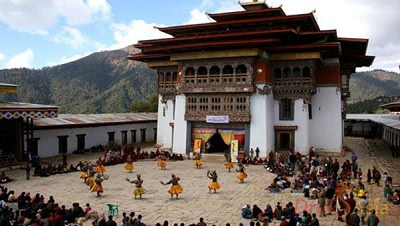
Festivals reenact ancient spiritual stories through costumes, masks, and dances — preserving centuries of Bhutanese cultural heritage.
Buddhist Painting
Hand-painted murals in dzongs and temples tell stories of peace and harmony — like the Thuenpa Puen Shi (Four Friends).
Prayer Wheel
Cylindrical wheels with the mantra Om Mani Padme Hum on the outside and printed prayers inside. Spinning clockwise releases prayers into the world — purifying negative energies and spreading blessings.
Wildlife & Sanctuaries
Over 50% of Bhutan protects its wildlife. The diverse flora and fauna enjoy subtropical to arctic climates. Trekking through the mountains reveals blue sheep, yaks, wolves, musk deer, fat marmots, and takins.
Bhutan is home to 3 species of langurs and 600 species of birds. The raven is the national bird — representing the Bhutan deity Gonpo Jarodongchen. The endangered black-necked crane is also protected and revered.
Bhutan Architecture
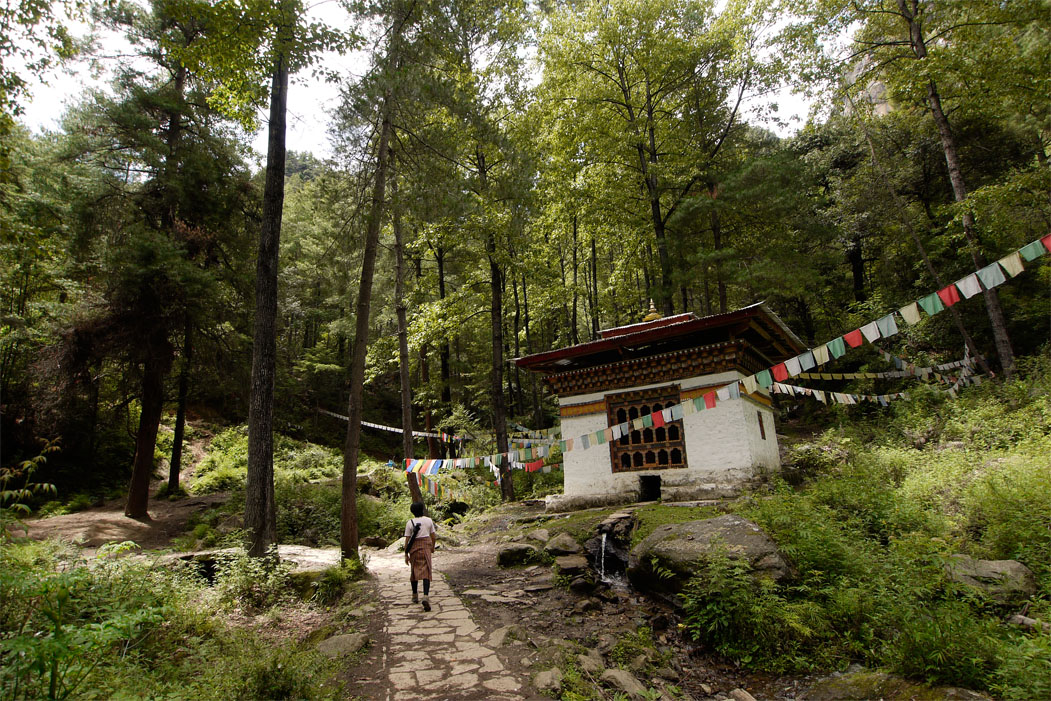
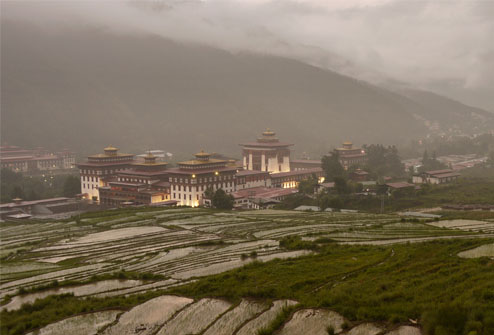
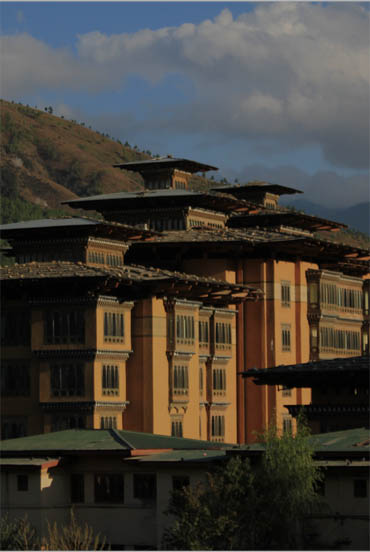
Bhutan is filled with stunning dzongs, goembas, and lhakhangs. Dzongs were built as fortresses in the 17th century and are now administrative offices. Made of stone or pounded mud and timber with wooden shingled roofs.
Goembas (monasteries) contain autonomous communities with temples and dormitories. Lhakhang have yellow roofs with a gold bell-shaped ornament on top — walls painted with Guardians of the Four Directions.
History of Bhutan
Founded around early 2000 B.C., Bhutan was known by many names before becoming Druk Yul — "Land of the Drukpas" — in the 17th century. Buddhism was introduced in the 7th century by the Tibetan King Songtsen Gampo and Guru Rinpoche.
Ngawang Namyel, the first Zhabdrung, unified battling tribes after arriving in 1616 A.D. The first Druk Gyalpo (Dragon King) established the monarchy. In 1971, Bhutan officially became a member of the United Nations.
The Bhutan Way of Life
Hear what the locals have to say.
Religion
Bhutanese practice Buddhism, introduced in the 7th century. The southern region practices Hinduism. Traditions are kept alive through festivals and events.
Farming
More than 60% of Bhutanese are farmers, breeding livestock and harvesting crops. Rural people are self-sustaining — making their own clothing, food, and bedding.
Hospitality
The Bhutanese are kind, open, and generous. Visitors leave with a memorable friendly impression and a rich cultural experience.
Travelling to Bhutan
As of September 2022, travellers can visit Bhutan independently without a tour operator. However, due to the transportation infrastructure, booking through a licensed tour operator is still highly recommended.
The tour operator will apply for your travel visa, book accommodations, and provide guidance. A typical tour package includes 3 meals a day, standard 3-star hotel accommodation, a tour guide, and driver.
Druk Asia tours are mostly private and highly customisable based on your needs and preferences.
Talk to a SpecialistPro Tip
Securing tickets during high season is difficult unless you start planning at least 3 months in advance. Talk to us early and we'll reserve your seats at no cost.
Start Planning NowMost Popular Bhutan Itineraries
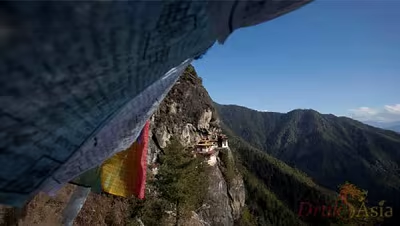
7-Day Essential Bhutan Travel Plan
A complete idea of Bhutan from the moment you step out of Paro Airport.
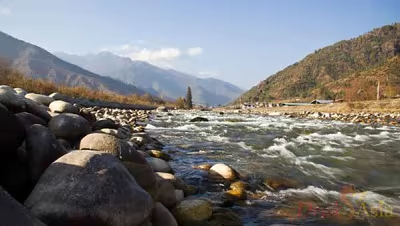
10-Day Discover Bhutan Travel Plan
Discover the breathtaking beauty of Bhutan in a 10-day tour of this Himalayan kingdom.
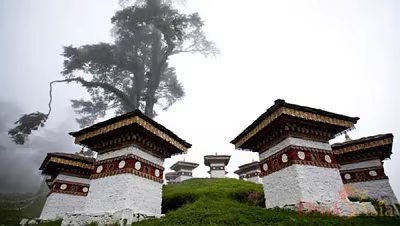
5-Day Magical Bhutan Travel Plan
An overwhelming experience of Bhutan in just 5 days.
Guide to Bhutan
Helpful guides across different categories to make planning your Bhutan journey smoother and more enjoyable.
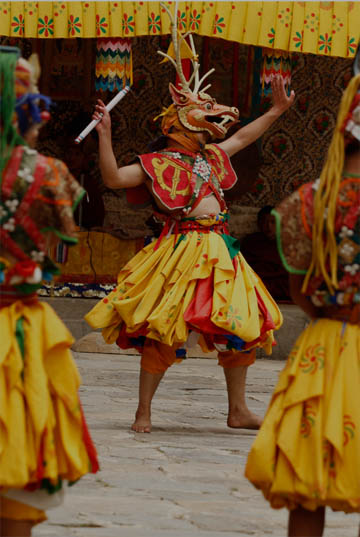
Have Questions on Planning Your Trip to Bhutan?
Our experienced Bhutanese travel specialists will help with all your planning and necessities. Bear in mind that securing tickets during high season will be difficult unless you start planning 3 months in advance.
