 Druk Asia
Preparing your journey…
7-Day Paro Tshechu Festival Experience
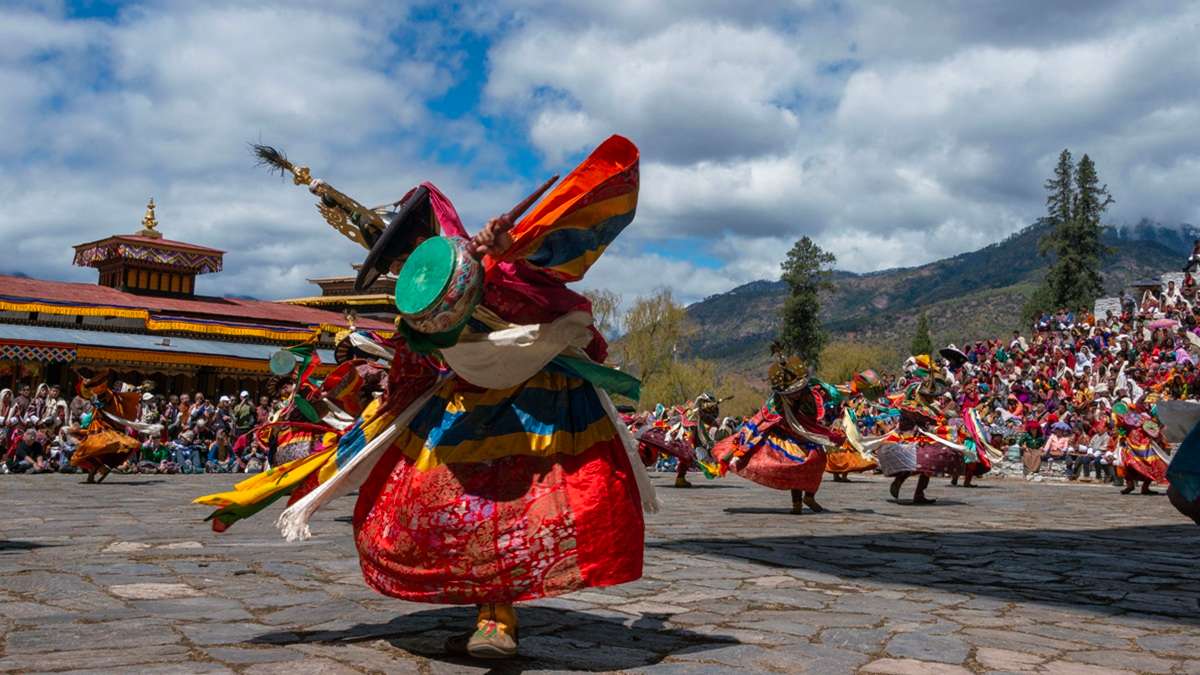
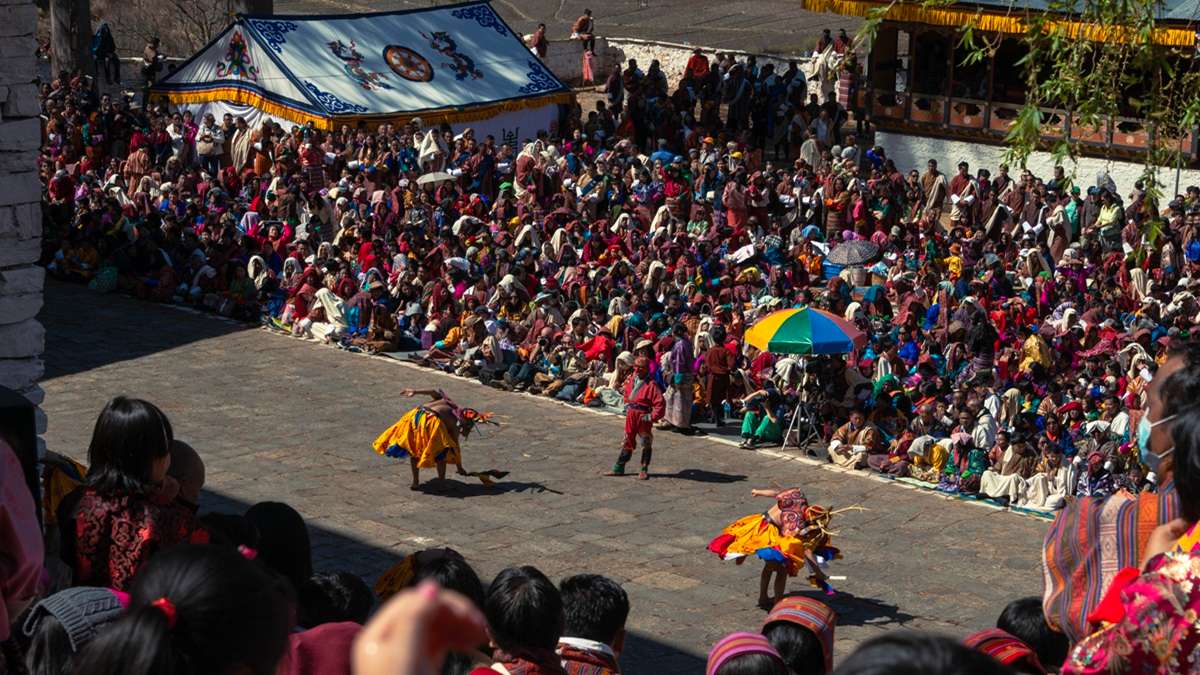
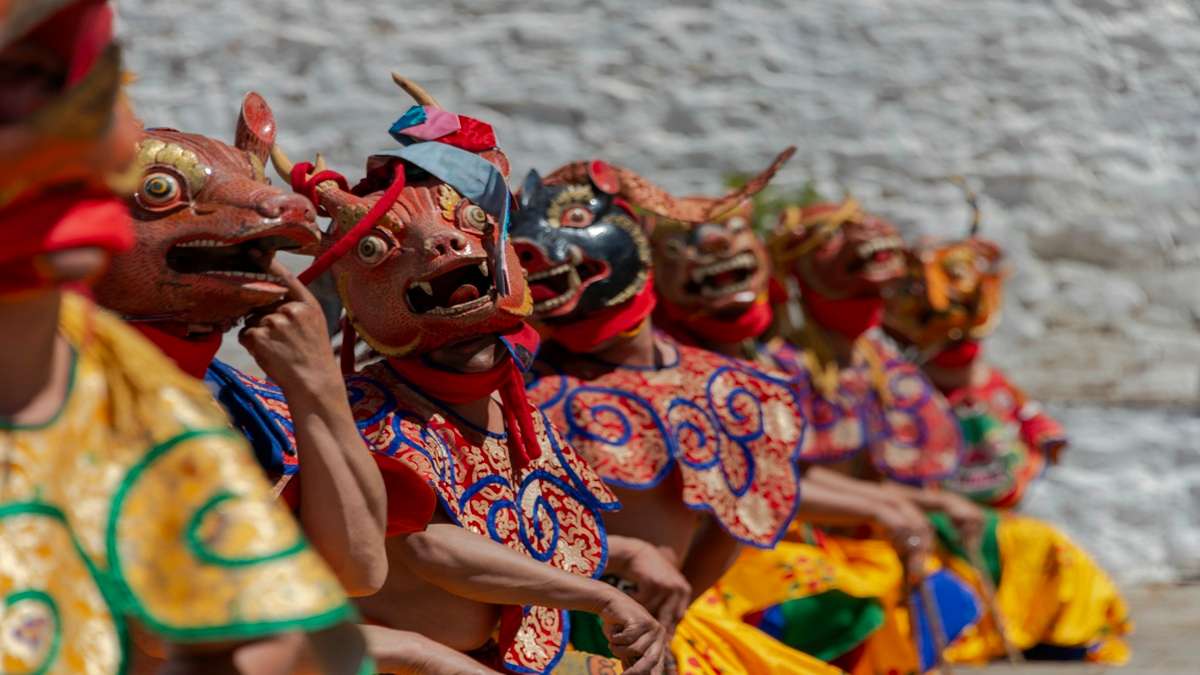
In the mystical land of Bhutan, amidst the serenity of the Paro Valley, there unfolds a festival of vibrant colors and profound spirituality - the Paro Tshechu.
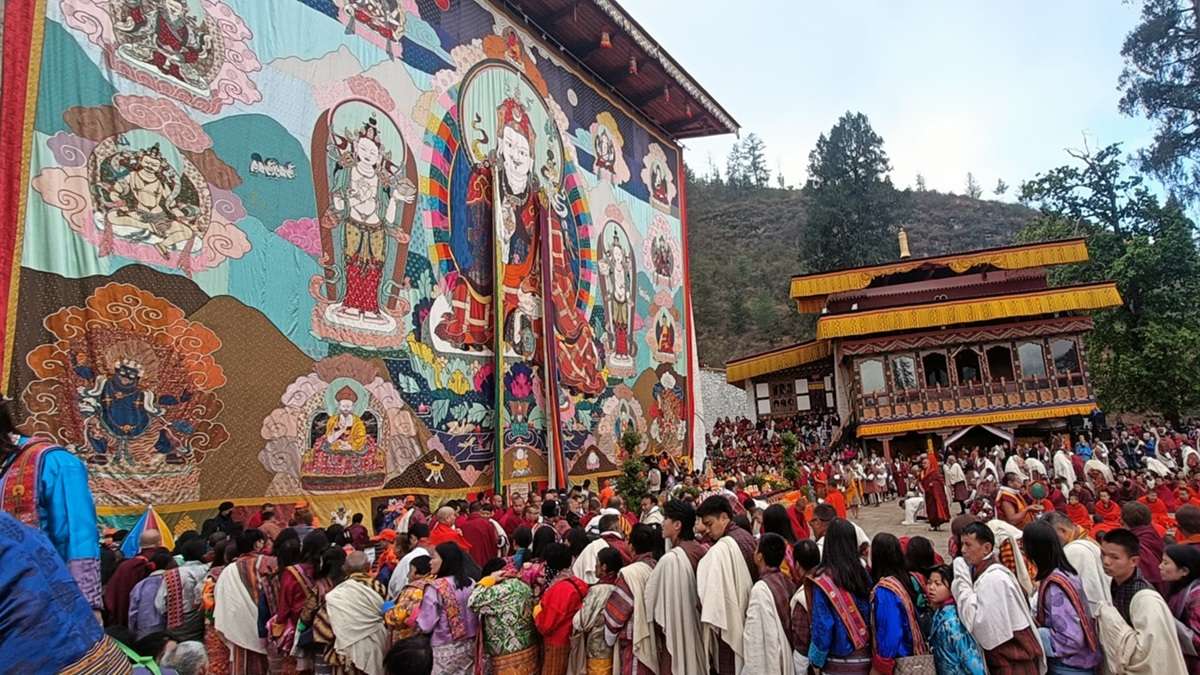
The Paro Tshechu in Bhutan is a famous event that attracts people from all over. During this festival, a large, special cloth painting of Guru Rinpoche is shown inside a fortress-like building. This special display happens only on the last day, early in the morning, for a few hours.
People believe that seeing this painting can wash away their mistakes. This festival is a key part of Bhutan's culture, bringing together history, spirituality, and community.
Step into a world of vibrant culture and stunning landscapes with the Paro Festival Tour Itinerary. This 7-day journey offers an immersive experience into the heart of Bhutan, blending the allure of ancient traditions with the beauty of the Himalayan kingdom.
From Thimphu's historic streets to Punakha and Gangtey's tranquil valleys, each day unfolds a new chapter of discovery. The journey culminates with the spectacular Paro Tshechu, a festival that encapsulates the spirit of Bhutanese heritage.
This tour is an invitation to explore, celebrate, and connect with the timeless charm of Bhutan.

All our tours are fully customisable — the itineraries you see are simply a starting point. We'll work closely with you to tailor every detail.
7-Day Paro Tshechu Festival Experience Itinerary
1
When you first arrive at Paro International Airport, you will be met by one of our delightful tour guides just outside the arrival hall. At 7,333 feet above sea level, the first thing you will likely notice is the effect of the high altitudes, so we will give you time to acclimate as we take a short drive to Thimphu and check into your hotel.
Thimphu City: Thimphu is the capital of Bhutan and the perfect location to transition from your familiar lifestyle to our unique country. Here, you will begin to appreciate our local customs as you get your first glimpse of monks dressed in traditional red robes, men in striped Ghos, and women in brightly coloured Kiras.
National Memorial Chorten: Once you settle into your hotel, we will begin to unlock the mysteries of Bhutan by touring Thimphu's most important sites. The National Memorial Chorten was built in 1974 to memorialise Jigme Dorji Wangchuk, the third king of Bhutan (1928-1972).
Thimphu Tashichho Dzong: Thimphu Tashichho Dzong is a fortress and Buddhist monastery with a distinctive Bhutanese architectural design. Sitting aside the Wang Chhu (river), it is the current seat of the Druk Desi, the head of the civil government, and houses the offices of the current king.
Centenary Farmers’ Market: On the weekends, the Centenary Farmers' Market is where farmers come to sell their vegetables, cheeses, grains, and the occasional yak leg.
Buddha Point: We will take a scenic drive up to Buddha Point in the Kuenselphodrang Nature Park to see the 169-foot-tall bronze statue of the seated Buddha Dordenma. One of the largest sitting Buddha statues in the world, it sits atop a hill where you will see sweeping views of the valley and surrounding mountains.
2
The second day is filled with cultural activities that will take you deeper into the country’s capital. You will watch shows about how the Bhutanese people have lived over the centuries, try making your paper for a special souvenir, and more.
National Folk Heritage Museum: Our first stop will be the National Folk Heritage Museum, which is dedicated to preserving Bhutanese folk arts. This renovated 19th-century building is laid out like a traditional, rural household with three stories of traditional arts Es, cultural relics, and artefacts.
Jungshi Handmade Paper Factory: At the Jungshi Handmade Paper Factory, you will see the ancient practice of natural papermaking. Using the bark of two local tree species (Daphne and Dhekap), craftsmen demonstrate how to make the traditional paper Deh-sho.
National Textile Museum: This museum is a great place to learn about the traditional art of weaving, which is highly valued in the country. It displays a wide range of beautiful fabrics that are used in Bhutanese clothing and are also popular fashion items around the world, thanks in part to Queen Jetsun Pema's efforts.
Motithang Takin Preserve: We then take a drive to Motithang Takin Preserve, home to one of the strangest-looking creatures on earth. The takin is a gentle moose-like animal described as looking like it was stung by a bee. The preserve was established to take care of takin, Bhutan's national animal.
Simtokha Dzong: Simtokha Dzong, built in 1629, is the first fortress of its kind in Bhutan. It features beautifully painted Buddhist murals and carvings inside. Today, it is home to one of the premier monk-taught Dzongkha learning centres, the national language of Bhutan.
3
Today we travel to Punakha, the former capital of Bhutan until 1955, and will stop at the popular tourist spots to learn more about the history of Bhutan.
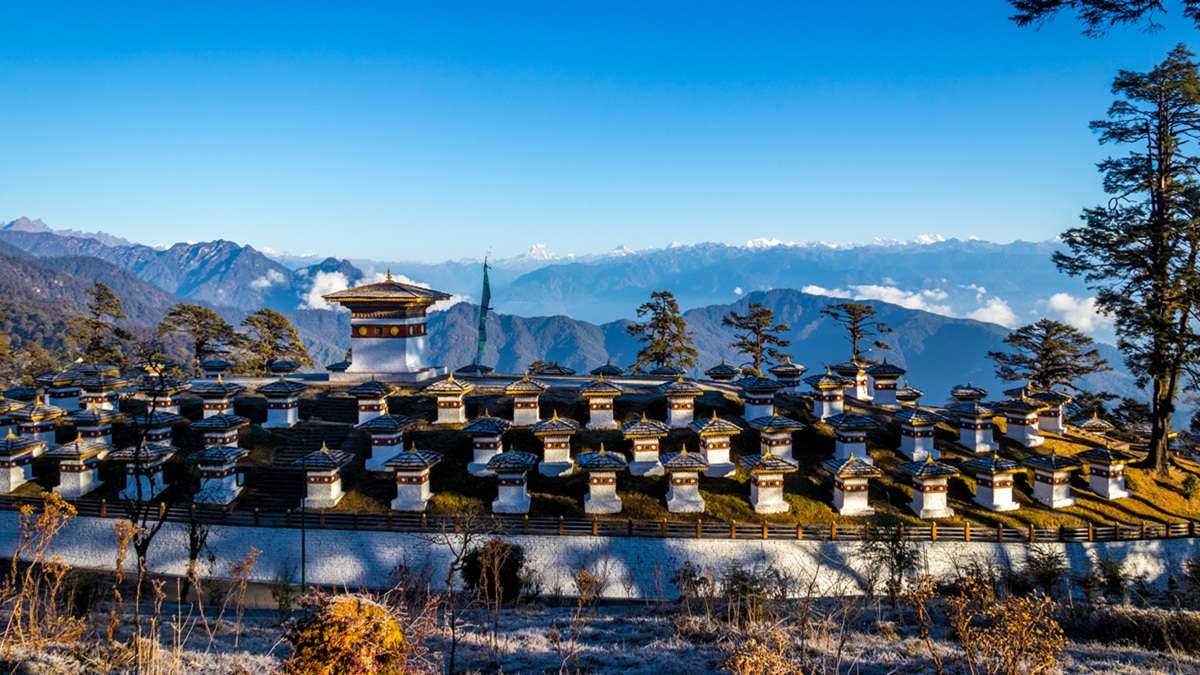
Dochula Pass: This popular tourist spot provides stunning 360-degree views of the Himalayas. It is also home to the 108 Druk Wangyal Chortens, built on a small hill to memorialise the Bhutanese soldiers killed in a 2003 battle with Assamese insurgents from India.
Druk Wangyal Lhakhang Temple: This temple was completed in 2008, built to commemorate 100 years of monarchy and His Majesty Jigme Singye Wangchuck, the fourth king and leader of the raid that removed the Indian rebels.
Punakha Dzong: We will tour what is considered one of the most beautiful sites in Bhutan, Punakha Dzong. Sitting at the fork of two rivers, it is a stunning example of Bhutanese architecture. Built in 1637, it is the second oldest and second largest dzong in Bhutan. Here, you will also discover courtyards and the preserved body of Zhabdrung Ngawang Namgyal.
Khamsum Yulley Namgyal Chorten: We will also visit Khamsum Yulley Namgyal Chorten, which is only reachable on foot. This one-hour trek includes an exhilarating walk across a colourful prayer flag-adorned suspended footbridge that crosses the Mo Chhu.
4
Following an overnight stay in Punakha, we head toward the remote glacial valley area of Gangtey. On this day, we will visit a temple and monastery where you can pray and admire the Bhutan architectural designs. This itinerary provides a rich blend of cultural and natural experiences, from sacred temples to scenic valleys and local traditions.
Chimi Lhakhang: Located on a hillock, this temple is dedicated to Lama Drukpa Kuenlay, an eccentric religious teacher of the late 15th century who used humour, songs, and outrageous behaviour to share his teachings, earning him the title of Devine Madman. Also known as a fertility temple, women travel there to pray, and it is rumoured that many become pregnant shortly after.
Wangdue Phodrang Dzong: We pass through Wangdue, the last town, before entering the isolated areas of central Bhutan. Dramatically perched on the side of a hill, we will see Wangdue Phodrang Dzong. Unfortunately, a 2012 fire gutted the building, so we can only view it outside as reconstruction is underway.
Phobjikha Valley (Gangtey Valley): This bowl-shaped valley borders the Jigme Singye Wangchuck National Park, and the entire area is a wildlife preserve. Here, you may see the black-necked cranes (Grus nigricollis) that migrate here from November to March. You might also see other native animals, such as muntjac, sambar, serow, leopard, red fox, or yak.
Gangtey Goempa Monastery: On a hill overlooking the entire valley is the Gangtey Goempa, a large 17th-century monastery. The Tshokhang (prayer hall) was built in Tibetan style and has eight great pillars.
Here, you can stay in a hotel or take the rare opportunity to room with a local family. Typically staying in a modest farmhouse, you will immerse yourself in family culture and share in their gracious hospitality.
5
On the 5th day, we return to Paro to explore the scenic Paro Valley, known for its cultural and natural attractions. This part of the journey allows a deep dive into Bhutan's rich history and breathtaking landscapes.
Chomolhari Mountain: At 24,035 feet, it is Bhutan's third tallest mountain peak and is often referred to as the wife of Kangchenjunga, the third tallest mountain in the world. Glacial waters from the mountainous region feed the Paro Chhu and Amo Chhu rivers.
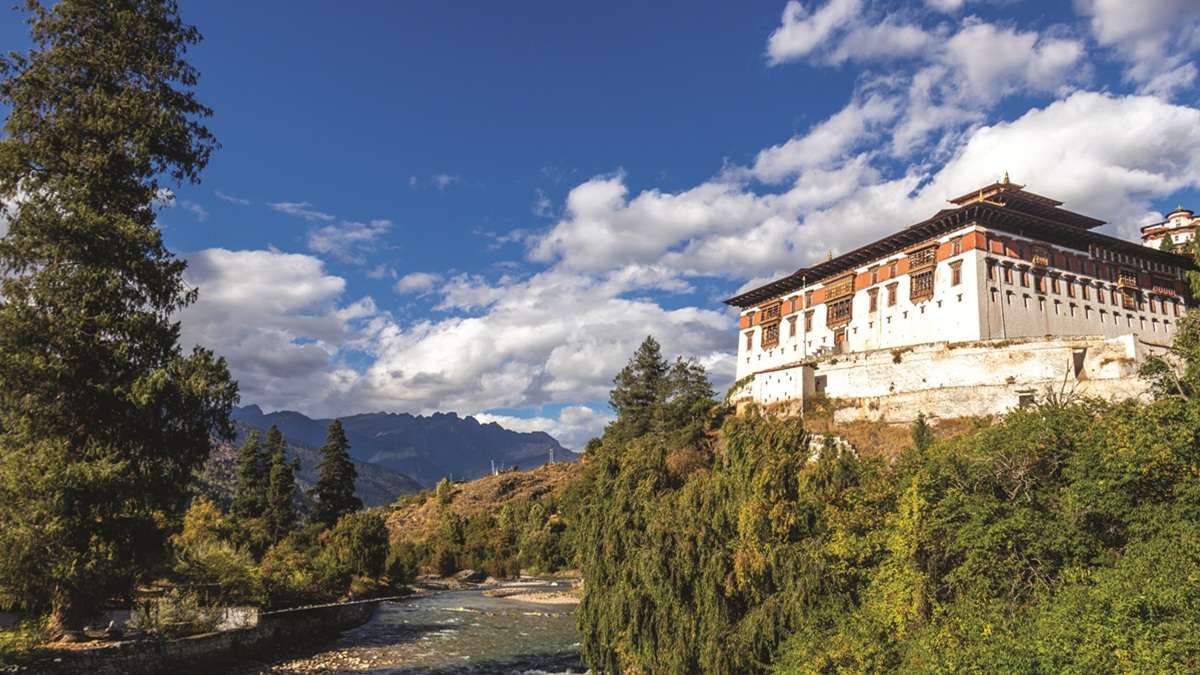
Rinpung Dzong (Rinchen Pung Dzong): The Rinchen Pung Rinchen Pung Dzong, usually called Rinpung Dzong, means Fortress on a Heap of Jewels as it was built with stones rather than clay. It is considered one of the most impressive dzongs in the country and the finest example of 15th and 17th-century Bhutanese construction.
National Museum of Bhutan: Nearby is Ta Dzong, a cylindrical seven-story watchtower built in 1649 that is now the National Museum of Bhutan. This museum houses artefacts, weapons, textiles, and fine Bhutanese art from 4000 BCE. The building is a conch shape with spiral construction inside and out.
6
On our final tour day, we join thousands of locals and tourists to celebrate Paro Tshechu. We honor Padma Sambhawa, also known as Guru Rimpoche, the precious yogi and saint who is credited with having introduced Tantric Buddhism throughout the Himalayas.
There will be masked dances performed by monks clad in colourful brocade attire and permeated by chants and reading of Buddhist scripts. The culmination of the festival constitutes the unfolding of a huge cloth thanka, a sacred scroll depicting Padma Smabhawa and imagery from the Buddhist pantheon.
In addition to participating in Paro Tshechu, we will also visit more iconic sites in the area, including:
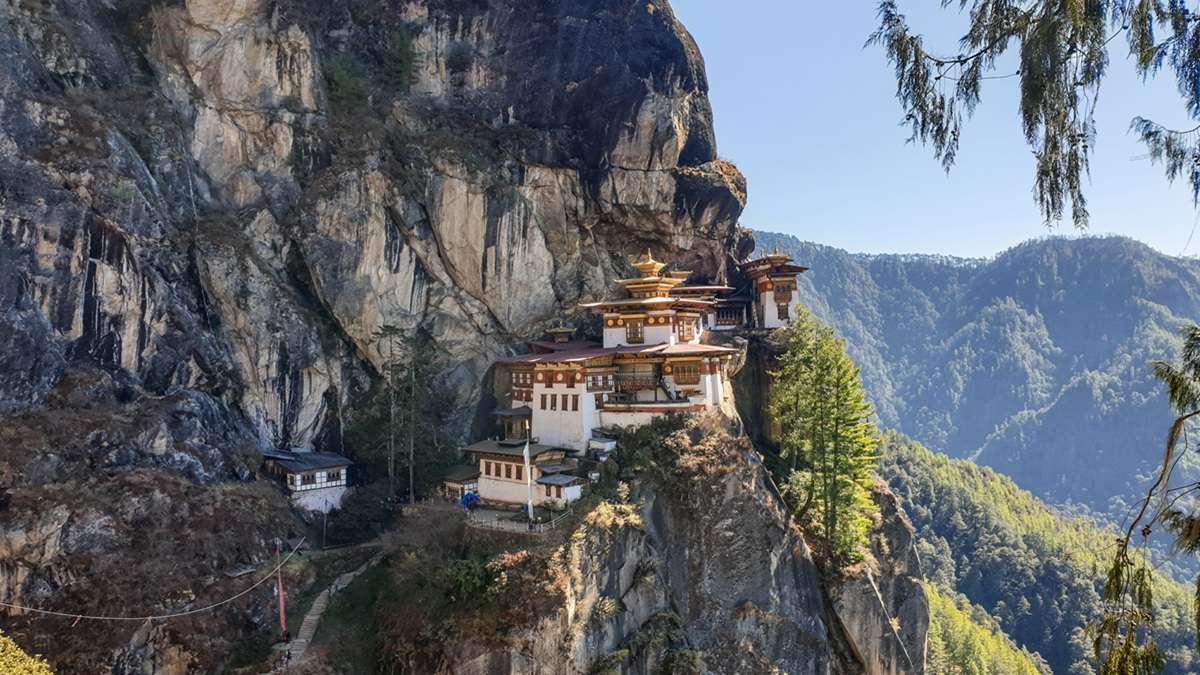
Taktsang Monastery (Tiger's Nest): Built precariously on a hillside cliff, the monastery sits more than 10,000 feet above sea level. Accessible only by foot, we follow a trail decorated with colourful prayer flags along the way to protect travellers from evil spirits. It is one of the most sacred sites in Bhutan, offering breathtaking views to those energetic enough to make it to the top.
Drukgyal Dzong Ruins: Built in 1647 by Zhabdrung Ngawang Namgyal, the unifier of medieval Bhutan, it was used as a stronghold against invading Tibetan armies. After a fire destroyed it in 1951, it remains a ruin as a symbol of past military victories. On clear days, you can also see the snowcapped peak of Chomolohari Mountain.
Kyichu Lhakhang Exploration: This beautiful seventh-century Buddhist temple is one of the oldest in Bhutan. According to legend, a giant Demoness laid her body across the Himalayas to prevent the spread of Buddhism. Tibetan King Songtsen Gambo built 108 temples throughout the region and around her body to pin her down, with Kyichu Lhakhang built to hold down her left foot.
7
Today, we will bid fond farewell to this beautiful Himalayan country and take an early flight back to Singapore. We hope by now you will have made some friends and kept many photos and beautiful memories of Bhutan! And we look forward to seeing you again in this beautiful land of endless Enchantments!
Tashi Delek
Route Map
Delve Further with our Bhutanese Festivities Packages!
Our Bhutan Festival Tours offers an exclusive exploration of Bhutan's vibrant cultural events, immersing you in the essence of Bhutanese traditions and heritage.
Frequently Asked Questions
Do I Need Any Special Attire For The Festival?
Is Photography Allowed During The Festival?
How Physically Demanding Is The Experience?
Is The Paro Festival Suitable For Children?
Are There Any Cultural Etiquettes I Should Be Aware Of?




per person · SDF included
Plan This Journey →



Community Partners
Your journey contributes directly to local communities. Complete a feedback form after your tour and Druk Asia will donate to your chosen cause.
 Gyalyum Trust
 VAST Bhutan
 Museums of Bhutan
Let's Customise Your Dream Bhutan Adventure
Join over 22,940+ happy travellers who've trusted our Bhutan experts to craft journeys that are anything but ordinary.
- Visa guaranteed — or your money back
- Pick your perfect stay — charming farmstay or luxe hotel
- Design your day — change activities even while you're in Bhutan
- Add a vibrant festival — timing around Bhutanese celebrations is pure magic
- Hike more, or hike less — totally your pace
- Experience Bhutan like a local — hot stone bath, cooking session, astrology reading
What Our Travellers Say
You're right tears almost drop when Tashi wave 👋🏿 good bye at airport.
We are pleased that we made the right choice to travel with Druk Asia.
I'd like to compliment 3 of your employees, Sonam Younten, Nawang Tshering and Ugyen Tenzin (aka Zang Po/Shang Po) on the excellent services they have delivered.
First of all, our very first contact from Druk Asia, Sonam Younten. He has been very patience, fast response to our queries and more importantly accommodate to our many requests.
Our tour guide, Nawang Tshering is a friendly, helpful & informative guide. He is also knowledgeable and gave useful tips during the tour. We appreciate his patience and enjoyed the meaningful stories and history lessons that he shared. To suit our physical constraints, Nawang was very considerate and encouraging especially on our first trekking trip to tiger nest.
The accommodations
We had such an amazing time in Bhutan. It was so difficult to say goodbye!
My sister and I cannot sing enough of our praises for Druk Asia - especially our guide Tshetrim and driver JamYang. Tshetrim was an awesome guide. He was knowledgeable, professional and an absolute gentleman throughout our stay. He definitely went above and beyond to make our time in Bhutan memorable. We even had other tourists comment on how thoughtful Tshetrim was. JamYang was experienced and skillful in his driving. We always felt safe with him behind the wheel. We owe so much of our wonderful experience in Bhutan to the both of them.
Thank you also for arranging an upgrade of our hotel rooms. We have only praise for all the places we stayed especially Zhiwaling - such a beautiful hotel.
We loved everything about
