 Druk Asia
What to Buy in Bhutan: Souvenirs Worth Bringing Home
One of the pleasures of travelling in Bhutan is discovering things you are unlikely to find in an ordinary shopping centre back home.
Bhutanese textiles can take days or even months to weave. Traditional wooden bowls are shaped by skilled craftspeople. Handmade paper is still produced using methods passed down through generations. Even something as small as a packet of incense or a set of Bhutanese stamps can carry a story about the country you have just visited.
If you are wondering what to buy in Bhutan, there is plenty to choose from.
Some souvenirs are practical and easy to pack, such as scarves, handmade notebooks, tea and locally designed T shirts. Others, including fine textiles, thangka paintings and traditional crafts, can become meaningful pieces you keep for years.
This guide covers some of the best Bhutan souvenirs to look for, where to shop and what to know before bringing your purchases home.
Table of Contents
Best Bhutan Souvenirs at a Glance
19 Best Things to Buy in Bhutan
How to Buy Authentic Bhutanese Souvenirs
How Much Does Shopping Cost in Bhutan?
Best Bhutan Souvenirs at a Glance
Not sure what to look for? Start with what you want to bring home.
| If you are looking for | Good Bhutan souvenirs to consider |
| Something uniquely Bhutanese | Handwoven textiles, dapa, handmade paper |
| A lightweight souvenir | Stamps, incense, notebooks, scarves |
| A gift for friends or colleagues | Tea, honey, stationery, small craft items, Bhutan travel guidebook |
| Something for your home | Textiles, wooden crafts, thangka paintings |
| A premium keepsake | Fine handwoven textiles, artwork, jewellery |
| A practical souvenir | Bags, scarves, notebooks, locally designed T shirts |
| A food souvenir | Bhutanese red rice, honey, tea |
| Something spiritual | Prayer flags, incense, Buddhist artwork |
| Something unusual | Bhutanese postage stamps or traditional masks |
19 Best Things to Buy in Bhutan
1. Bhutanese Handwoven Textiles
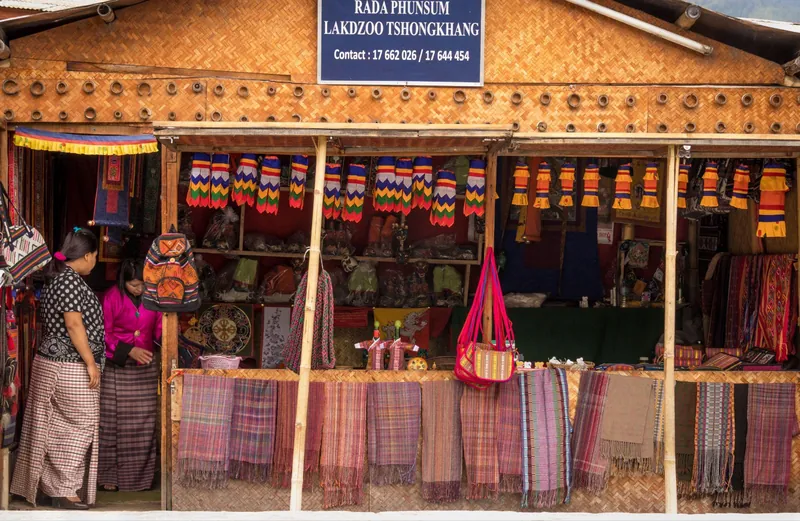
If you want to take home something that genuinely represents Bhutanese craftsmanship, start with textiles.
Weaving is one of Bhutan's traditional arts, and you will encounter colourful woven fabrics throughout your journey, from the kira worn by Bhutanese women to the gho worn by men.
You do not need to buy an entire traditional outfit. For most travellers, scarves, table runners, cushion covers, bags, purses and smaller woven pieces are much easier to use and pack.
The quality and complexity of Bhutanese textiles vary considerably. Some pieces use relatively simple patterns, while fine textiles may require enormous skill and many hours of work.
This explains why prices can range from affordable gifts to valuable collector pieces.
Best for: A meaningful Bhutanese keepsake, textiles, fashion and home décor.
What should you look for?
If you are buying a more expensive piece, ask where it was woven, what material was used and whether it was woven by hand.
Your guide can also help you understand the patterns and regional styles you are looking at.
2. Yathra Products from Bumthang
If your Bhutan itinerary takes you to Bumthang, look out for yathra.
Yathra is a colourful woven fabric traditionally associated with the region and is commonly made into bags, jackets, cushion covers, blankets and other household items.
The geometric patterns and heavier texture make yathra quite distinctive from many of the finer textiles you will see elsewhere.
Even if you are not travelling as far as Bumthang, you may find yathra products in craft shops in Thimphu and Paro.
Best for: Bags, home furnishings and travellers visiting central Bhutan.
3. Handmade Bhutanese Paper
Traditional Bhutanese paper, commonly known as desho, is one of our favourite souvenirs because it is both beautiful and easy to bring home.
The paper is traditionally made using the bark of plants such as Daphne.
Today you can find it transformed into notebooks, writing paper, cards, envelopes, wrapping paper, calendars, lampshades and decorative products.
If you enjoy stationery, journalling or traditional crafts, this is one souvenir worth making space for in your luggage.
You can also visit a traditional paper making workshop in Thimphu to see part of the production process.
Best for: Stationery lovers, gifts and lightweight souvenirs.
4. Dapa and Bhutanese Wooden Crafts
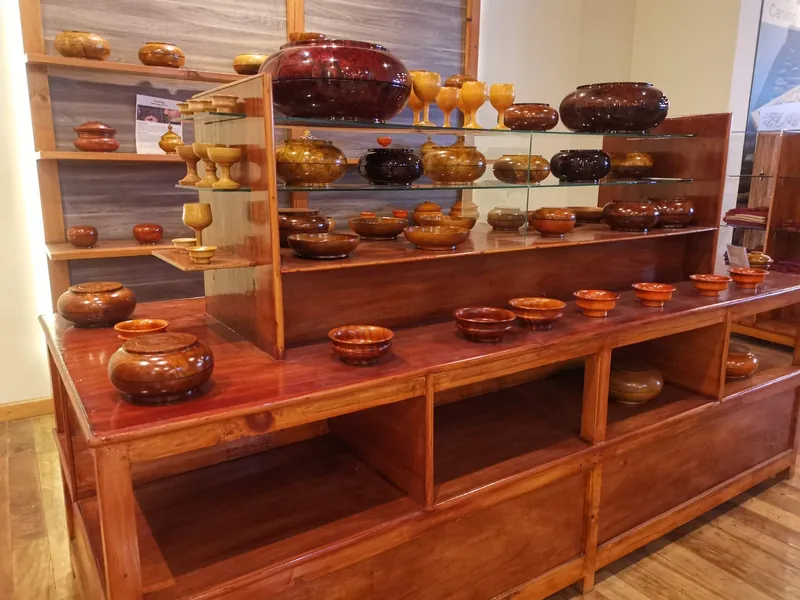
A dapa is a traditional Bhutanese wooden bowl or container created through the craft of wood turning.
You may see simple wooden bowls as well as beautifully finished containers, cups, boxes and decorative objects.
Trashiyangtse in eastern Bhutan is particularly associated with traditional wood turning, although wooden products can be found in handicraft shops throughout the country.
Smaller pieces are relatively easy to pack and make useful souvenirs for the home.
Best for: Homeware, traditional craftsmanship and practical souvenirs.
5. Traditional Bhutanese Masks
The colourful masks you see during Bhutan's religious festivals are closely associated with sacred masked dances.
Craftspeople produce decorative versions inspired by these traditional forms, and you will find masks in different sizes and designs in Bhutanese craft shops.
If you attend a Bhutan festival during your trip, seeing the masks used during the dances will give you much more context for the craftsmanship behind them.
Larger masks can be difficult to transport, so smaller decorative pieces are often more practical.
Best for: Art, Bhutanese culture and unusual home décor.
6. Thangka Paintings and Buddhist Art
A thangka is a Buddhist painting traditionally created for religious and spiritual purposes.
You will see thangkas depicting Buddhist teachers, deities, mandalas and religious scenes throughout Bhutan's monasteries and temples.
Pieces made for sale vary considerably in size, detail, technique and price.
If you are considering an expensive thangka, ask about the artist, materials and technique. It is also important to distinguish newly produced artwork from older culturally significant objects, as Bhutan has strict rules concerning the export of antiques and certain cultural artefacts.
Best for: Art collectors, Buddhist art and meaningful keepsakes.
7. Bhutanese Incense
Bhutanese incense is one of the easiest souvenirs to bring home.
You will see incense used in monasteries, temples and homes throughout the country. Locally produced incense commonly incorporates aromatic Himalayan plants, herbs and other ingredients.
Incense sticks and powders come in different fragrances and price ranges, and they take up very little luggage space.
Ask your guide or shopkeeper about locally produced varieties if you want something made in Bhutan rather than an imported product.
Best for: Small gifts, spiritual souvenirs and easy packing.
8. Prayer Flags
Prayer flags are part of Bhutan's visual landscape.
You will see them along mountain passes, beside temples, across bridges and in villages throughout your journey.
The colours traditionally represent different elements, and the prayers printed onto the flags are intended to be carried by the wind.
If you would like to take prayer flags home, ask your guide about their meaning and the respectful way to display them. Understanding the symbolism makes them much more meaningful than treating them simply as decoration.
Best for: A small cultural keepsake with spiritual significance.
9. Bhutanese Jewellery
Traditional and contemporary Bhutanese jewellery can make a beautiful souvenir, particularly for travellers looking for something more substantial than a typical gift.
You may find silver and gold jewellery featuring traditional Bhutanese motifs, colourful stones and designs inspired by Buddhist symbolism.
Prices and quality vary considerably, so buy valuable jewellery from a reputable shop and keep your receipt.
Some traditional ornaments and culturally significant objects can be subject to export regulations, so seek advice before purchasing older or particularly valuable pieces.
Best for: Premium gifts and long lasting keepsakes.
10. Bhutanese Postage Stamps
This might be one of Bhutan's most unusual souvenirs.
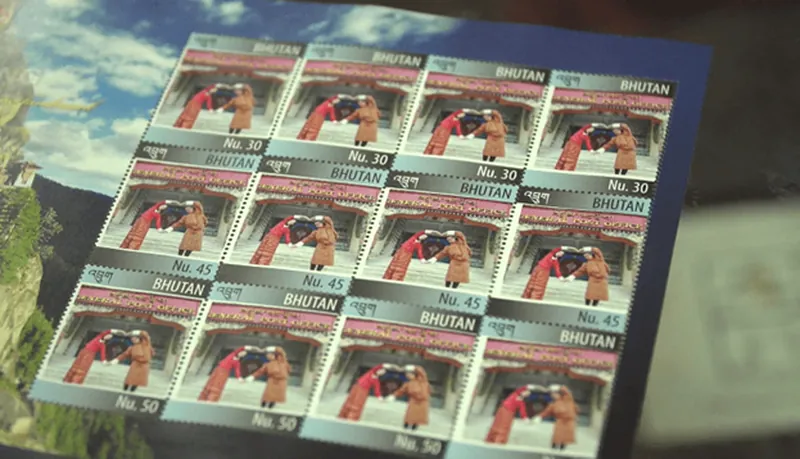
Bhutan has a fascinating history of producing creative postage stamps. Over the years, designs have included unusual shapes, materials and formats alongside stamps featuring the country's landscapes, wildlife, culture and heritage.
They are small, inexpensive to carry and make an excellent gift for collectors.
They are also a fun choice if you want a souvenir that does not take up any meaningful luggage space. In fact, you can print your very own personalized stamps at the Bhutan Postal Museum.
Best for: Collectors, children and lightweight souvenirs.
11. Bhutanese Red Rice
If you enjoy Bhutanese food during your trip, consider taking some red rice home.
Red rice is a familiar part of Bhutanese meals and has a slightly nutty character that pairs particularly well with Bhutanese curries and vegetable dishes.
Packaged Bhutanese red rice can be found at food shops and stores selling locally produced goods.
Food import regulations vary by destination, so check the rules of the country you are travelling to before packing food products.
Best for: Food lovers and travellers who want to recreate a Bhutanese meal at home.
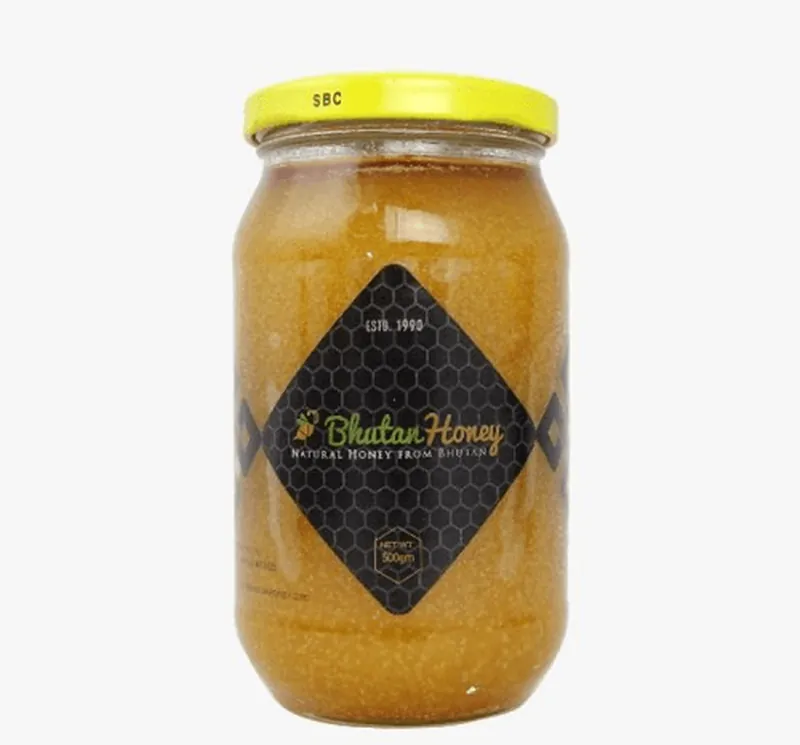
12. Bhutanese Honey
Locally produced honey is another easy food gift to look for.
Different regions and producers offer their own varieties, and locally packaged honey is commonly sold alongside other Bhutanese food products.
It works particularly well as a gift because it is easy to recognise and does not require the recipient to know much about Bhutanese cuisine.
Remember that liquids and food products may be subject to airline baggage and destination customs rules.
Best for: Food gifts and locally produced products.
13. Bhutanese Tea and Herbal Products
Tea is another practical souvenir that can be enjoyed long after your trip.
Shops selling Bhutanese products may carry different herbal teas and locally packaged blends.
You will also encounter products made using aromatic ingredients such as lemongrass. Lemongrass sprays, oils and similar products have long been popular with travellers looking for a small and fragrant reminder of Bhutan.
Rather than buying them for claimed medical benefits, choose them for their scent, local character and everyday use.
Best for: Gifts, food lovers and easy packing.
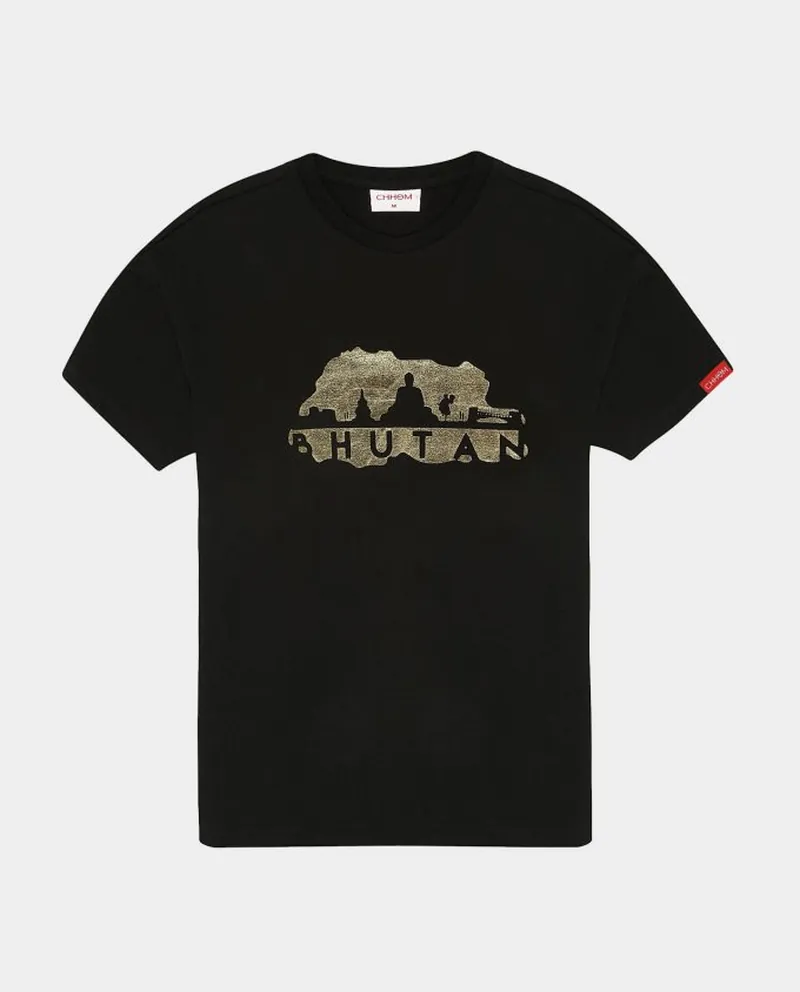
14. Contemporary Bhutanese Gifts and T Shirts
Not every Bhutanese souvenir needs to look traditional.
A growing number of Bhutanese designers and small businesses create T-shirts, bags, accessories, postcards, stationery and lifestyle products inspired by Bhutanese culture.
You may see creative interpretations of the Thunder Dragon, Tiger's Nest, Bhutanese architecture, traditional motifs and everyday Bhutanese humour.
These make particularly good gifts for younger travellers or anyone who wants something practical rather than purely decorative.
Look for products designed or produced locally if supporting Bhutanese businesses is important to you.
Best for: Casual gifts, younger travellers and contemporary Bhutanese design.
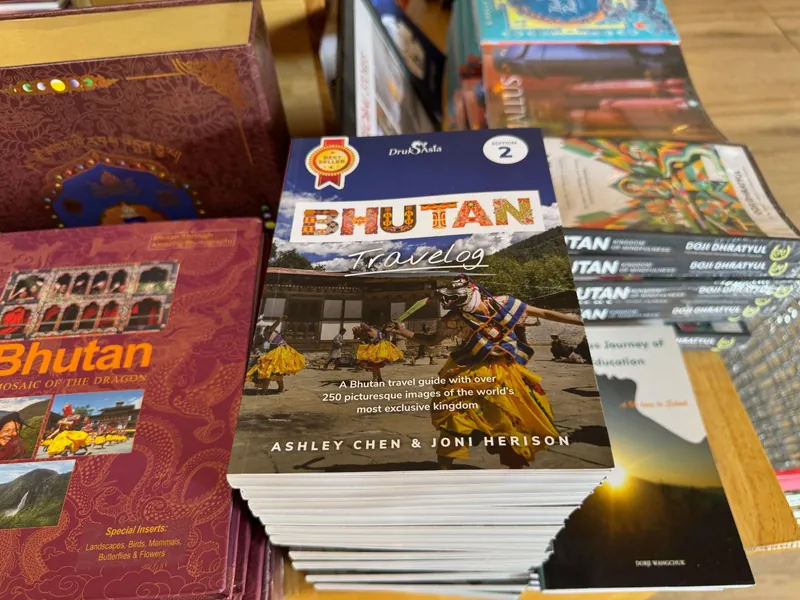
15. Bhutan Travelog
Sometimes the best souvenir is something that helps you remember the stories behind the places you visited.
Bhutan Travelog brings together Bhutan's destinations, culture, people, traditions and travel experiences in a format you can return to after your journey.
You can browse through places you visited, rediscover the stories you heard from your guide and share Bhutan with friends and family when you return home.
Copies are available at selected bookstores and shops in Bhutan, including Paro Airport bookstore and the CSI markets in Thimphu and Paro.
Best for: Travellers who want a lasting record of their Bhutan journey.
16. Singing Bowls
Singing bowls are commonly found in souvenir and handicraft shops in Bhutan and can make a meaningful keepsake for travellers interested in meditation, mindfulness or Buddhist culture.
They are typically made from metal and produce a resonant tone when gently struck or circled around the rim with a mallet.
Quality can vary, so it is worth trying the bowl before buying it. Listen to the tone, check the finishing and choose a size that is practical to carry home.
Singing bowls are also found across the wider Himalayan region, so if you are looking specifically for something made in Bhutan, ask the seller about its origin.
Best for: Meditation, spiritual gifts and home décor.
17. Bhutanese Red Rice
If you enjoy Bhutanese food during your trip, red rice is one of the easiest local flavours to take home with you.
Bhutanese red rice is commonly served with curries, vegetables and dishes such as ema datshi. It has a slightly nutty flavour and a firmer texture than many types of white rice.
Packaged red rice is available in local food shops, markets and stores specialising in Bhutanese products.
It is also a practical gift for anyone who enjoys cooking and wants to recreate a Bhutanese meal at home.
Check the food import regulations of your destination before packing rice or other agricultural products in your luggage.
Best for: Food lovers, home cooks and practical gifts.
18. Bhutanese Cordyceps
Cordyceps is one of the more unusual products you may come across while shopping in Bhutan.
It is traditionally collected from high altitude Himalayan areas and has long been used in traditional medicine in parts of Asia.
Genuine cordyceps can be expensive, and quality varies considerably, so buy only from a reputable and authorised seller.
Be cautious of exaggerated health claims. If you intend to consume cordyceps, seek appropriate professional advice, especially if you are taking medication or have an existing medical condition.
Import rules for herbal and medicinal products also vary by country, so check the regulations of your destination before buying it.
Best for: Travellers interested in traditional Himalayan products.
19. Lemongrass Spray
Lemongrass spray is a simple and easy to pack souvenir that you will often find in Bhutanese shops.
Its fresh herbal scent makes it popular as a home fragrance or everyday personal item, and it is a convenient choice if you are looking for something small and practical.
You may also see lemongrass oil and other scented products made with similar ingredients.
If you are carrying the spray in your hand luggage, remember to follow airline liquid restrictions.
Choose it for its fragrance and everyday use rather than for unverified health claims.
Best for: Small gifts, home fragrance and easy packing.
Where to Shop in Bhutan
Shopping in Bhutan is easy to fit around your sightseeing, especially in Thimphu and Paro. You do not usually need to set aside an entire day for it. Many craft shops, markets and galleries are located close to places you are likely to visit during a typical Bhutan itinerary.
Thimphu has the widest selection, particularly for Bhutanese textiles, handicrafts, jewellery, incense, local food products and contemporary Bhutanese designs. Paro is also convenient for souvenir shopping, especially towards the end of your trip.
If you are looking for something specific, tell your guide. A good local guide can recommend specialist shops based on what you want to buy and your budget.
1. CSI Market, Thimphu
Location: Lower Changzamtog, below the Startup Centre, Thimphu
Opening Hours: Monday to Saturday, 9:30 AM to 7:00 PM; Sunday and public holidays, 10:00 AM to 6:00 PM
Best for: Made in Bhutan products, food, tea, gifts and locally produced goods
Why go: CSI Market is one of the easiest places to start shopping in Thimphu if you want a broad selection of products that are genuinely made or grown in Bhutan.
The market was established as a dedicated retail platform for Bhutan's cottage and small industries and brings products from Bhutanese entrepreneurs together under one roof. You can browse local tea, food products, groceries, handicrafts, gifts and other Bhutanese made products without having to visit several separate shops.
It is particularly convenient if you have limited shopping time or want practical gifts that are easy to bring home.
2. The Craft Gallery, Thimphu
Location: Norzin Lam 3, Building 69, opposite Bhutan Development Bank Limited, Thimphu
Opening Hours: Generally Monday to Saturday, 9:00 AM to 5:00 PM; closed Sunday
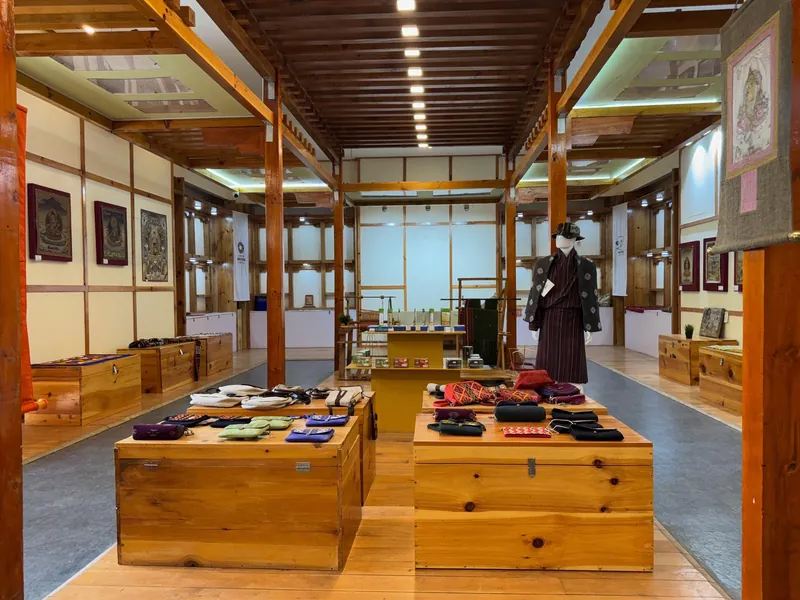
Best for: Quality handicrafts, textiles, jewellery, art and contemporary Bhutanese design
Why go: The Craft Gallery is a good choice when you are looking for something more special than a typical souvenir. Established under the Gyalyum Charitable Trust, it provides a platform for Bhutanese artisans, designers and organisations to showcase their work.
The collection can include handwoven textiles, jewellery, traditional crafts, artwork and contemporary products inspired by Bhutanese design.
Purchases also help support Bhutanese artisans and the preservation and development of traditional craftsmanship.
3. Authentic Bhutanese Crafts Bazaar, Thimphu
Location: Along Norzin Lam, central Thimphu
Opening Hours: Typically during daytime shopping hours. Individual stalls may vary.
Best for: Souvenirs, textiles, wooden crafts, thangka paintings and browsing
Why go: If you enjoy browsing rather than shopping in a conventional store, this is one of the most interesting places in Thimphu.
The open air craft market stretches along Norzin Lam and contains dozens of small stalls selling Bhutanese handicrafts. Look out for handwoven scarves and textiles, wooden bowls, carved masks, handmade paper products, bags, traditional paintings and decorative items.
It is particularly useful if you want to compare different styles and prices before deciding what to buy.
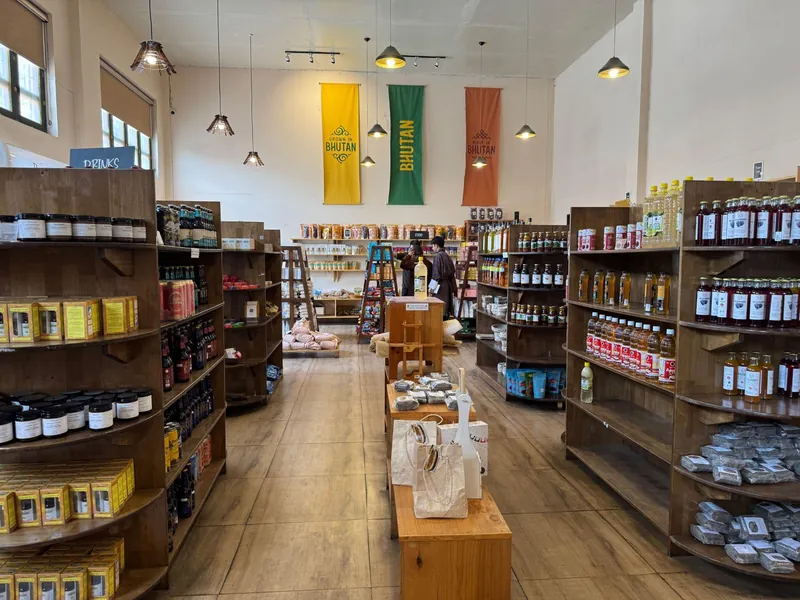
4. OGOP, Thimphu
Location: Kuengachholing, Thimphu
Best for: Bhutanese food products, honey, red rice, spices and edible gifts
Why go: One Gewog One Product, better known as OGOP, focuses on products originating from communities around Bhutan.
This is a particularly good stop if you prefer food and practical gifts rather than decorative souvenirs. Depending on availability, you may find Bhutanese red rice, highland honey, turmeric products, beans, grains and other locally produced foods.
Many products are packaged conveniently, making them easier to bring home as gifts.
5. Kaja Throm, Thimphu
Location: Riverside market area in central Thimphu
Best for: Fresh produce, local ingredients and experiencing everyday Bhutanese food culture
Why go: The former Centenary Farmers' Market has been extensively renovated and transformed into Kaja Throm, giving Thimphu's main produce market a completely refreshed look.
This is less about conventional souvenir shopping and more about seeing what Bhutanese households actually buy. Browse stalls selling seasonal vegetables, fruits, chillies, grains, dairy products and other local produce.
For travellers interested in Bhutanese cuisine, it is also a good opportunity to see ingredients you may already have encountered in dishes during your trip.
6. Textile Shops in Thimphu
Location: Various locations around central Thimphu
Opening Hours: Vary by shop
Best for: Kira, gho fabrics, scarves, handwoven textiles and higher quality pieces
Why go: Bhutan has an extraordinary textile tradition, and Thimphu is one of the best places to appreciate the differences between everyday fabrics and highly intricate handwoven pieces.
If you plan to spend more on a textile, visit a specialist shop rather than buying the first piece you see. Ask about the material, weaving technique, origin and whether the textile is handwoven or machine made.
Visiting the Royal Textile Academy before shopping can also give you a much better appreciation of Bhutan's weaving traditions and the amount of skill and time involved in producing complex textiles.
7. CHHOM Bhutan, Thimphu
Location: Kawajangsa, opposite Zorig Chusum School, Thimphu 11001, Bhutan
Opening Hours: Monday to Saturday, 9:00 AM – 7:00 PM (closed on Sundays)
Why go: CHHOM is a contemporary lifestyle boutique that blends Bhutanese heritage with modern flair. Expect quirky, stylish T-shirts, fashion accessories, stationery, and unique gift items — all designed and produced locally. It's an ideal spot for those who love creativity with cultural roots.
8. Norzin Lam Street, Thimphu
Location: Central Thimphu, stretching from the main traffic circle to the city gate
Opening Hours: Most shops open from 9:00 AM – 7:00 PM
Why go: Thimphu's main shopping strip and heartbeat of local life, Norzin Lam offers everything from woven scarves and thangkas to small cafés and modern boutiques. Perfect for leisurely browsing and people-watching.
9. Paro Town
Location: Central Paro
Opening Hours: Vary by shop
Best for: Last minute souvenirs, handicrafts, textiles, incense and gifts
Why go: Paro's main town has plenty of small souvenir shops, handicraft stores and boutiques, making it an easy place for last minute shopping before leaving Bhutan.
You can find textiles, incense, jewellery, artwork, handicrafts, decorative objects and smaller souvenirs that are easy to pack.
However, if you see a handmade piece you genuinely love earlier in your journey, it is better to buy it then. Handmade Bhutanese products are not always identical from shop to shop, and you may not find the same design again in Paro.
10. CSI Market, Paro
Location: Nyemezampa, opposite Paro Rinpung Dzong, Paro
Best for: Made in Bhutan products, locally produced gifts and food products
Why go: If you missed the CSI Market in Thimphu, there is also a branch in Paro. The shop is housed in a traditional Bhutanese building and showcases products made by Bhutanese cottage and small businesses.
It is a convenient final shopping stop for local food products, crafts, gifts and other Made in Bhutan items, particularly if Paro is the last stop on your itinerary.
Shopping Tip
Do not leave all your shopping until the final afternoon. Bhutanese handicrafts and textiles are often produced in small quantities, so the exact colour, pattern or design you saw in Thimphu may not be available elsewhere.
For food products and easy gifts, start with CSI Market or OGOP. For traditional handicrafts and souvenirs, explore the Authentic Bhutanese Crafts Bazaar. For higher quality textiles, jewellery and artisan pieces, spend more time at The Craft Gallery and specialist textile shops.
How to Buy Authentic Bhutanese Souvenirs
One useful thing to understand before shopping is that an item being sold in Bhutan does not automatically mean it was made in Bhutan.
If buying locally produced products matters to you, ask where the item came from and who made it.
This is especially worthwhile for textiles, artwork, jewellery and more expensive handicrafts.
For valuable purchases, ask about the materials, production technique and origin of the piece. Your Bhutanese guide can often help you understand what you are looking at and recommend reputable shops.
Labels such as Made in Bhutan and products sold through reputable Bhutanese craft organisations can also make it easier to identify locally produced goods.
For handmade products, small differences and imperfections are often part of their character rather than a flaw.
How Much Does Shopping Cost in Bhutan?
Shopping in Bhutan can suit almost any budget.
Small souvenirs such as incense, stationery, simple craft products and locally produced food can be relatively inexpensive.
Scarves, bags, wooden products and more detailed handmade items generally sit in the middle of the price range.
Fine handwoven textiles, jewellery, detailed thangka paintings and significant pieces of artwork can cost considerably more because of the materials, skill and time involved in producing them.
Rather than setting a fixed souvenir budget, decide if you are mainly looking for small gifts or one meaningful piece to keep.
If you are interested in handmade textiles or artwork, leave some flexibility in your budget. The piece that catches your attention may be something you did not expect to find.
Can You Bargain in Bhutan?
Shopping in Bhutan tends to be fairly relaxed.
Many established shops and galleries have fixed prices, so aggressive bargaining is neither necessary nor expected.
Smaller stalls may have some flexibility, but it is always better to ask politely.
For handmade products, remember that the price often reflects the time and skill required to produce the item. A complicated textile, carved object or painting may have taken considerably longer to make than its size suggests.
What Can You Take Home From Bhutan?
Most ordinary newly produced souvenirs are straightforward purchases, but you should be more careful with antiques, religious artefacts and culturally significant objects.
Bhutan protects important cultural property, and some valuable cultural items cannot legally be removed from the country.
Certain objects may also require an Export Permit for Non Antique Artefacts before they can leave Bhutan.
This is particularly important if you are considering older artwork, religious objects, jewellery or items that may have cultural or historical significance.
Ask the seller and your guide before purchasing anything presented as antique, old or historically significant.
Your home country's customs rules are a separate consideration. Food, plant material, animal products and other restricted items may be allowed out of Bhutan but restricted when you arrive home.
Check your destination's current import regulations before buying products you are uncertain about.
Frequently Asked Questions About Shopping in Bhutan
What is Bhutan famous for buying?
Bhutan is particularly known for handwoven textiles, traditional handicrafts, handmade paper, wooden dapa, thangka paintings, incense, jewellery, prayer flags and unusual postage stamps. Locally produced tea, honey and red rice are also popular gifts.
What is the best souvenir to buy in Bhutan?
If you want something particularly representative of Bhutanese craftsmanship, handwoven textiles are one of the best choices. Handmade paper, dapa and locally produced incense are excellent smaller alternatives.
What is uniquely made in Bhutan?
Bhutan is known for traditional textiles, desho paper, wooden crafts, bamboo products, religious artwork and other products connected with the country's traditional arts. Contemporary Bhutanese designers are also creating clothing, accessories and stationery inspired by local culture.
Are souvenirs expensive in Bhutan?
They do not have to be. Small gifts and locally packaged products can be affordable, while fine handwoven textiles, jewellery and artwork can cost considerably more. The price of handmade products often reflects the materials, craftsmanship and time involved.
Ready to Experience Bhutan?
Talk to our Bhutan specialists — we've helped over 22,940+ travellers plan their perfect trip.
