 Druk Asia
Preparing your journey…
13 Day Gomkora and Paro Tshechu
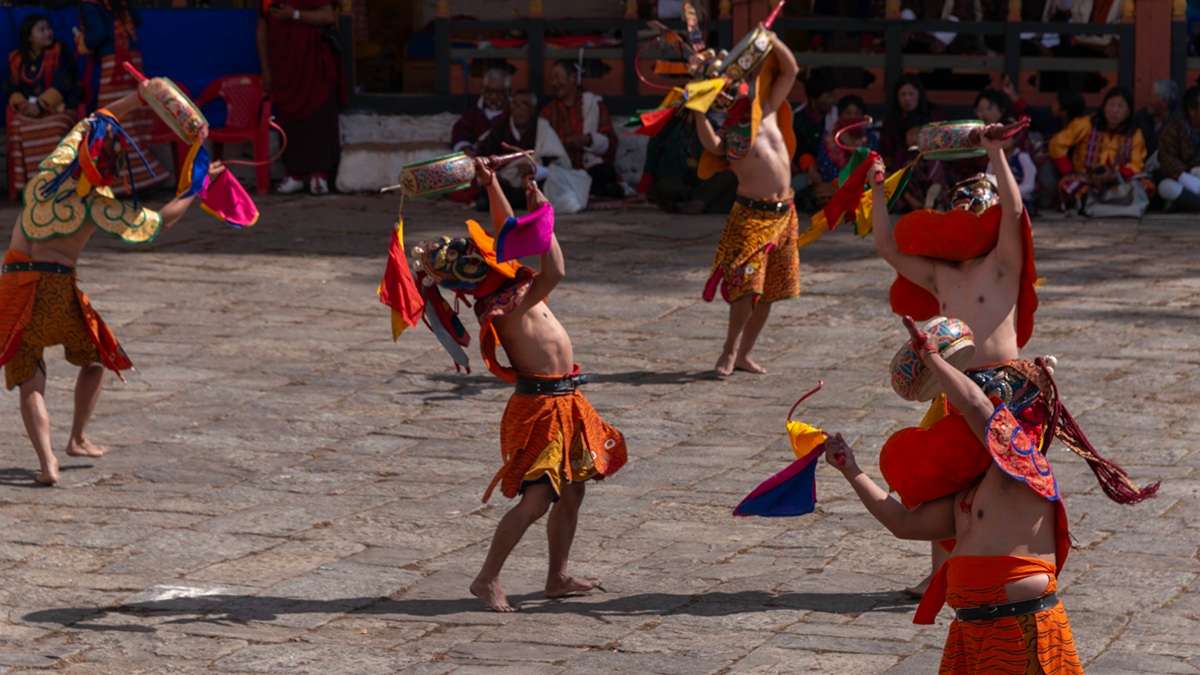
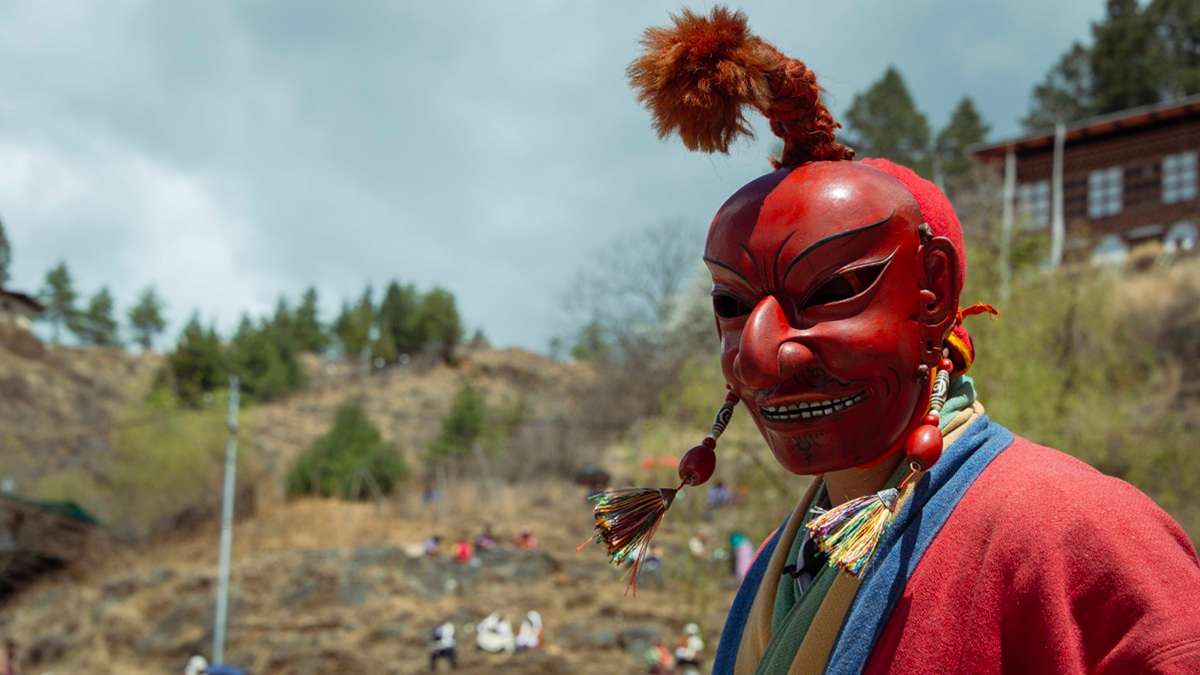
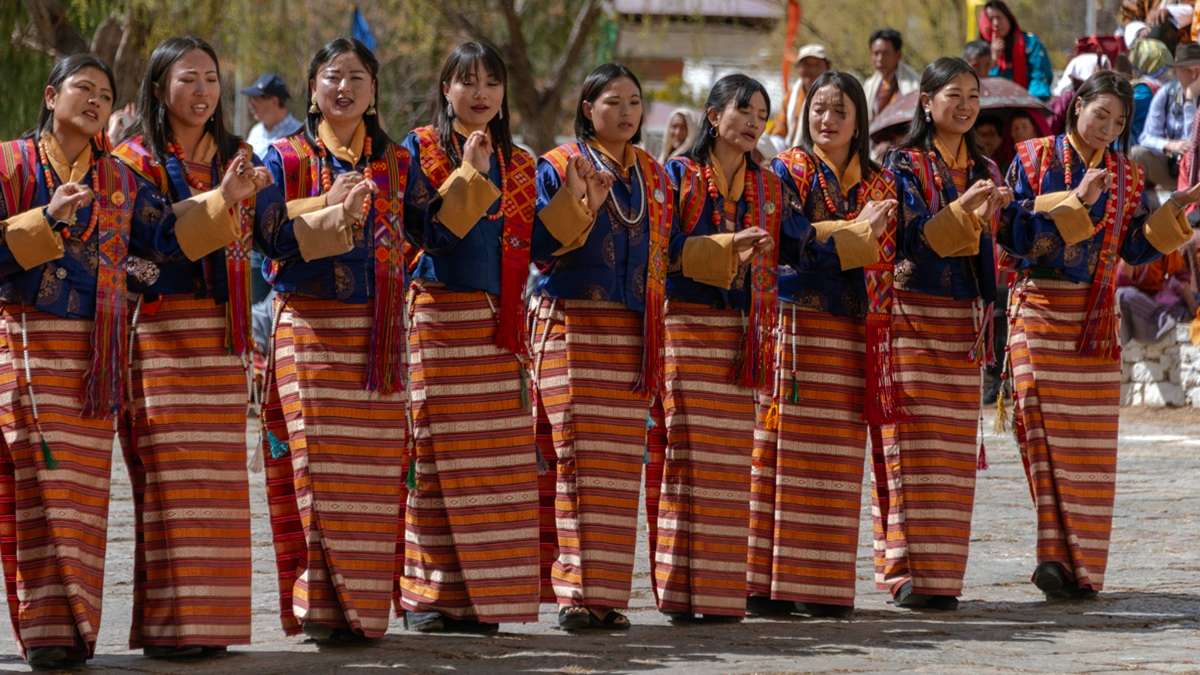
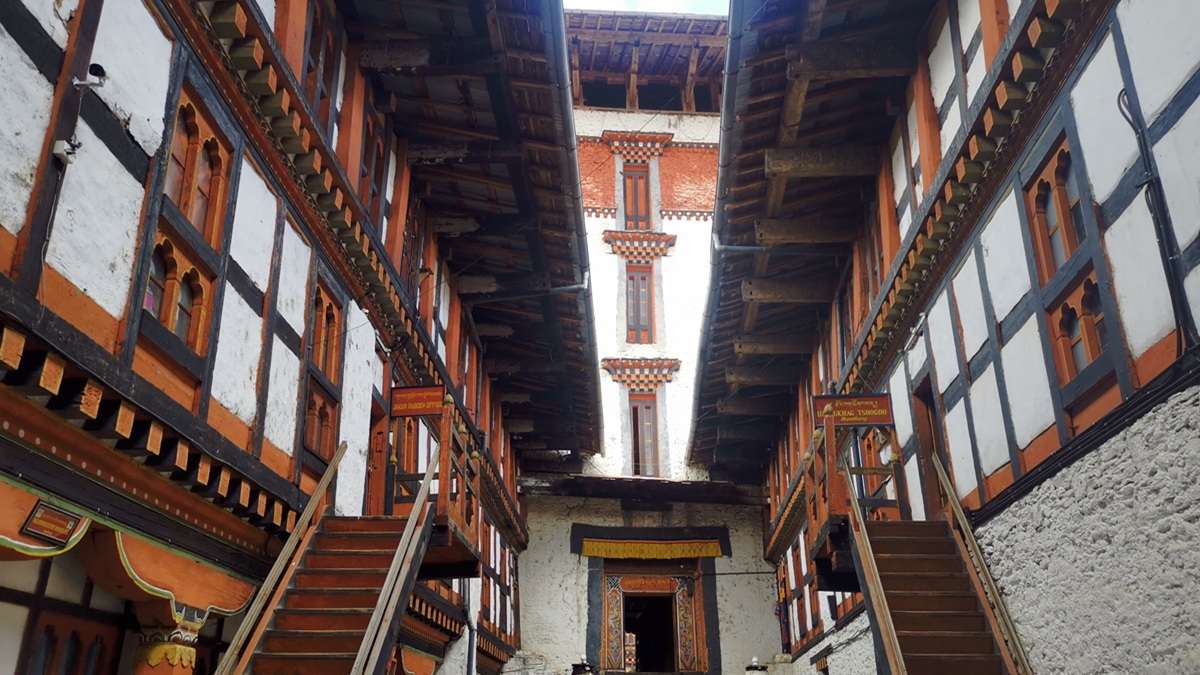
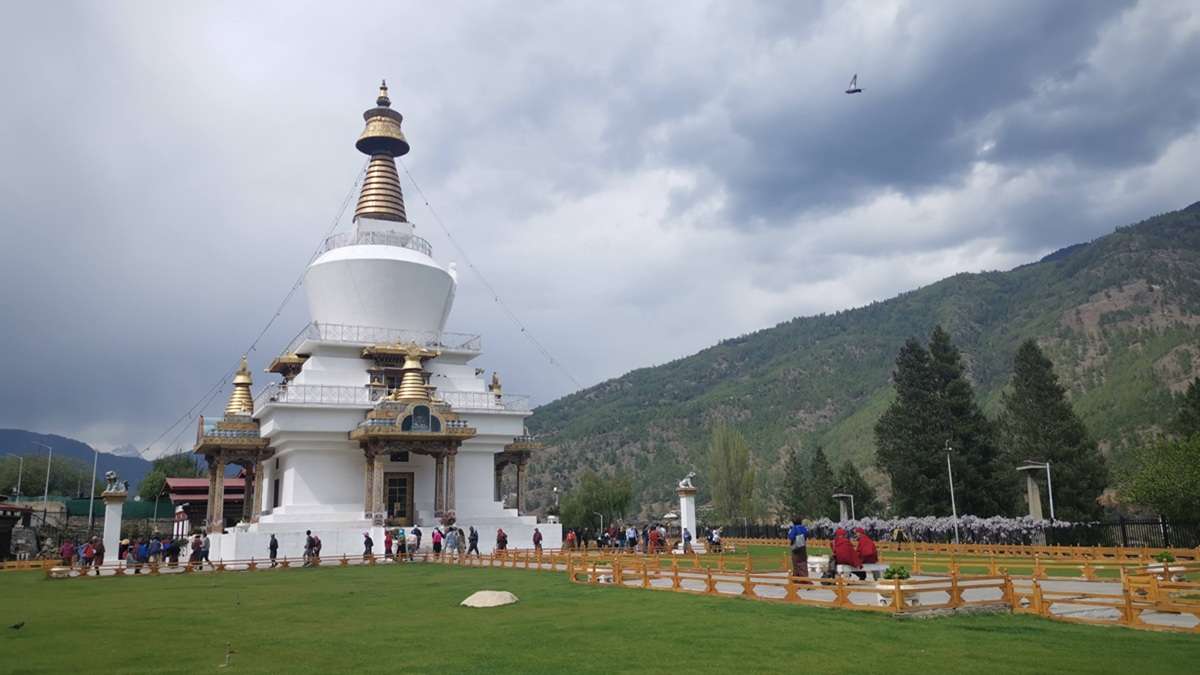
Paro Tshechu is one of the biggest festival in Bhutan as it is held in spring and is conveniently located in Paro valley. Gomkora Tshechu is unlike other festivals in Bhutan. It includes circumlocution around the Chorten Kora. Villagers from Eastern Bhutan often use this occasion to meet a date that often lead to marriage.

All our tours are fully customisable — the itineraries you see are simply a starting point. We'll work closely with you to tailor every detail.
13 Day Gomkora and Paro Tshechu Itinerary
1
Welcome to Bhutan, the Land of the Thunder Dragon. Touching down at Paro International Airport, you will be greeted by your guide upon exiting the arrival hall. Today, we will take it easy to acclimatise to the altitude. Drive to Thimphu, check in to the hotel and let’s have your first taste of Bhutanese cuisine and some light sightseeing in Thimphu if possible.
Buddha Point at Kuensel Phodrang, will be open to tourists once it is completed in 2012. The 169 feet bronze statue of Buddha Dordenma , Vajra Throne Buddha symbolising indestructibility will be completed soon. The Buddha statue itself is competed awaiting paintings, but visitors can drive up to the Buddha point and view the tallest statue of Lord Buddha. The view of Thimphu valley from the Buddha point is spectacular and beautiful, especially at night.
National Memorial Chorten - Which was built in honor of the late King Jigme Dorji Wangchuk.
Thimphu Dzong - The largest Dzong, is also the seat of the office of the King of Bhutan.
2
Heritage Museum - Dedicated to connecting people to the Bhutanese rural past though exhibition of artefacts used in rural households.
Textile Museum - Witnesses the art of traditional weaving.
Paper making Factory - Witnesses the art of papermaking
Takin enclosure - On the way to the viewpoint over Thimphu is the home of Bhutan’s national animal, the Takin; a strange looking beast some say looks like a beestung moose.
Centenary Farmers’ Market - Every Saturday and Sunday most of the Thimphu population congregate on the banks of the river where the weekend market is held. Here villagers from the valley and other nearby places come to sell their agriculture products.
3
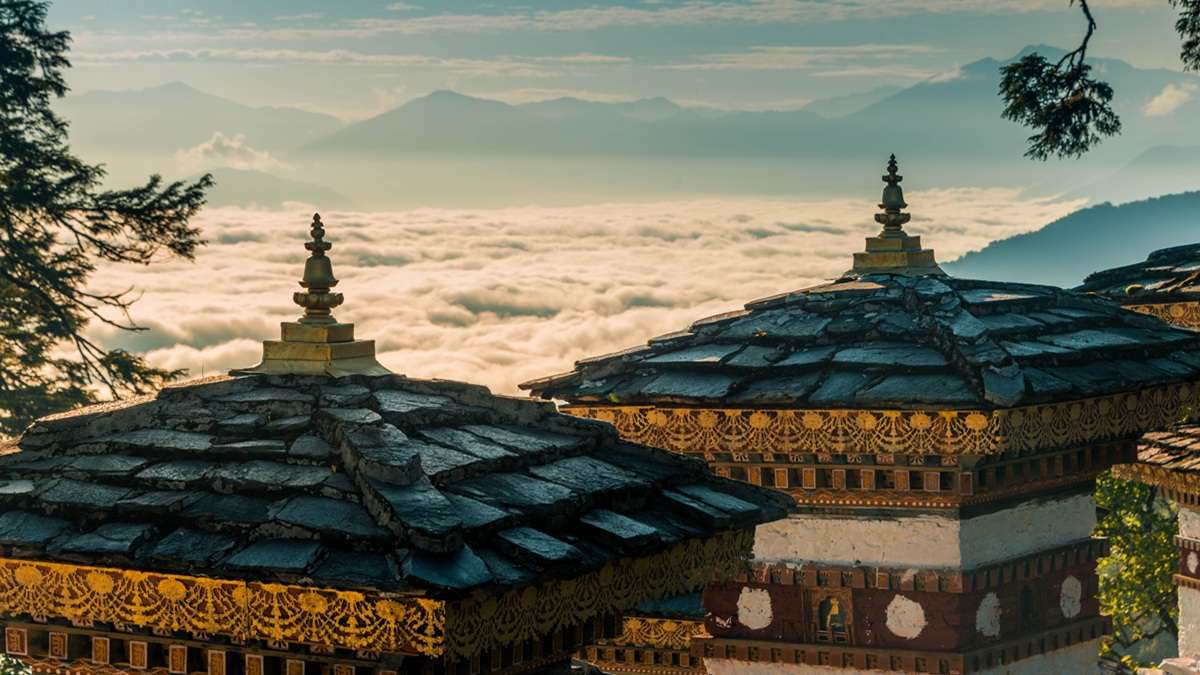
Dochula Pass - the 108 chortens was built by the present Queen Mother of Bhutan Ashi Dorji Wangmo Wangchuck to commemorate Bhutan’s victory over indian militants and to liberate the souls of the souls lost.
Passing Wangdue (left), one of the major towns and district capital of Western Bhutan. Located south of Punakha, Wangdue is the last town before central Bhutan. The district is famous for its fine bamboo work and its slate and stone carving.
We will pause to view the Wangdue Phodrang Dzong. Built in 1638, Wangdue Dzong is dramatically perched on the spur of a hill and overlooks the confluence of the Tsang Chu and Dang Chu rivers.
4
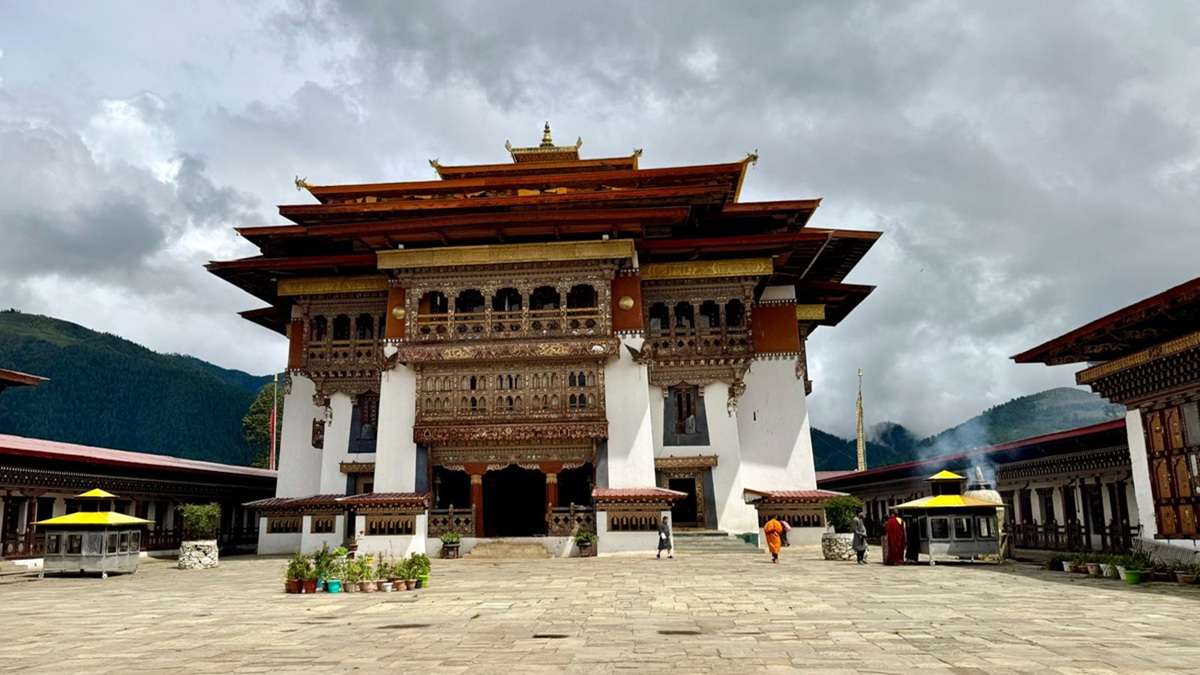
The valley of Phobjikha is well known as the winter home of the Black necked crane (Grus Nigricollis). Bhutan is home to around six hundred black necked cranes with Phobjikha being one of the popular places that the birds migrate to in the winter months from the Tibetan plateau. The elegant and shy birds can be observed from early November to end of March. Another significant landmark in Phobjikha is the famous Gangtey Gompa monastery. This is an old monastery that dates back to 17th century. Today we will do some short hikes around the valley of Phobjikha.
5
On route to Bumthang is Trongsa, the ancestral home of the ruling dynasty.
Trongsa, literally "New Town" in the Dzongkha language, is where the current monarchy had its origin in Bhutan. Each King in the line of succession has held the post of Trongsa Penlop or Governor before donning the Raven Crown.
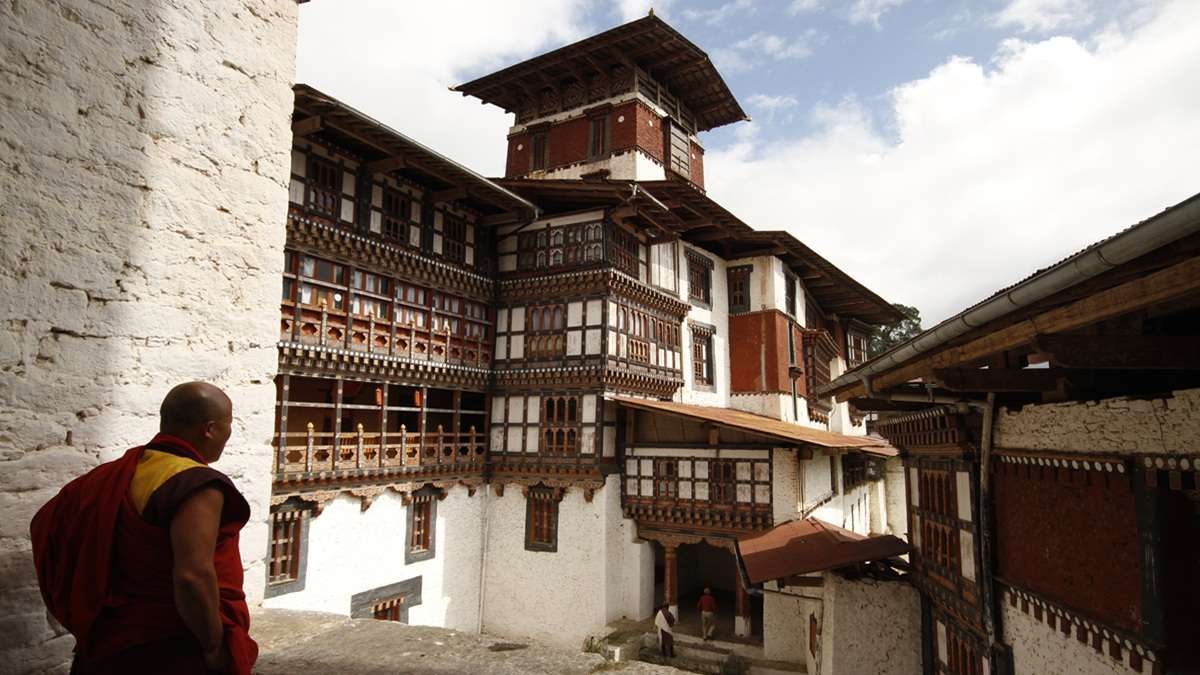
Trongsa Dzong - The foundations of Trongsa Dzong were laid in the 16th century by by Pema Lingpa. The Dzong flourished during the 17th century under Shabdrung Ngwang Namgyal. With its massive structure, its wall looming high above the winding Mangde Chu Valley, the Dzong commands the east-west road.
Taa Dzong - Built as a watch tower the Taa Dzong has since been turned into a Heritage Museum. A book on this prominent Dzong is written by Christian Schicklgruber entitled The Tower of Trongsa, Religion and Power in Bhutan.
6
This is one of the most spectacular valleys in Bhutan and also the heartland of Buddhism in Bhutan. It is an area with a wide variety of fauna and flora. The Guru Rinpoche and his lineage of Tertons (treasure finders) making Bumthang his home have led to more than 40 temples being built in this peaceful valley.
In the morning, we will hike to the Tamshing Goemba, built in 1501 by the Buddhist saint Pema Lingpa. We will also visit Kurjey Lhakhang (left-bottom), one of the most sacred monasteries in Bhutan. Built by the Guru Rinpoche in 1652, it houses a rock with his body imprint. Legend has it that Guru Rimpoche manifested as a Garuda to defeat the demon Shelging Karpo who had taken the form of a white lion.
We will also visit Jambay Lhakhang, built in 659 by Tibetan King Sontsen Gampo to pin down a demoness who was obstructing the spread of Buddhism. Come October, the Jambay Lhakhang Drup is one of the most colourful festivals in Bhutan.
Jakar Dzong - pitched on a high ground overlooking the town junction, it was built as monastery in 1549 by the great grandfather of the Zhabdrung. It is now used as the administrative center for Bumthang district
In the afternoon, we will hike up to Thangbi Valley, crossing a suspension bridge to visit the Thangbi Lhakhang built in the 14th century via an unpaved road.
7
On route to Trashigang from Bumthang is the biggest national park in Bhutan called the Thrumshingla National Park. The 768 sq.km of this national park is located within the boundaries of four districts: Bumthang, Lhuentse, Mongar and Zhemgang and it was established in 1998.
On this long drive, enjoy the natural beauty of the undisturbed environment and take pics of some breath taking scenery like the Namling Bra(cliff) waterfall which falls down the deepest cliff in Eastern Bhutan. The next town is Mongar where we can rest for awhile over a warm cup of tea
8
This is a sacred site where, around 850 AD, Guru Rimpochhe subdued an evil spirit, he chased all the way from Lhasa Samye,Tibet. The Kora festival at Gomphu Kora was initiated 400 years. The Gomphu Kora Tshechu is one of the biggest festivals in eastern Bhutan providing a welcome break for locals to trade, socialize, and celebrate before the start of the farming season.
The festival draws people from remote villages, school children, village youths, businessmen, civil servants, and the Dakpa tribe in of Tawang, neighbouring Arunachal Pradesh (India) who endure days of travel on foot amid rugged environs with entire families in town. Some say that Drakpas have done this for more than a millennium, beginning shortly after Guru Padmasambhava sanctified the place in the 8th century AD. Traditionally, the festival was an occasion for the people of eastern Bhutan, to choose their spouse and also to rejuvenate the degrading stock. This is still seen even today.
9
We begin our drive back to Bumthang through the lush environment of the east.
10
11
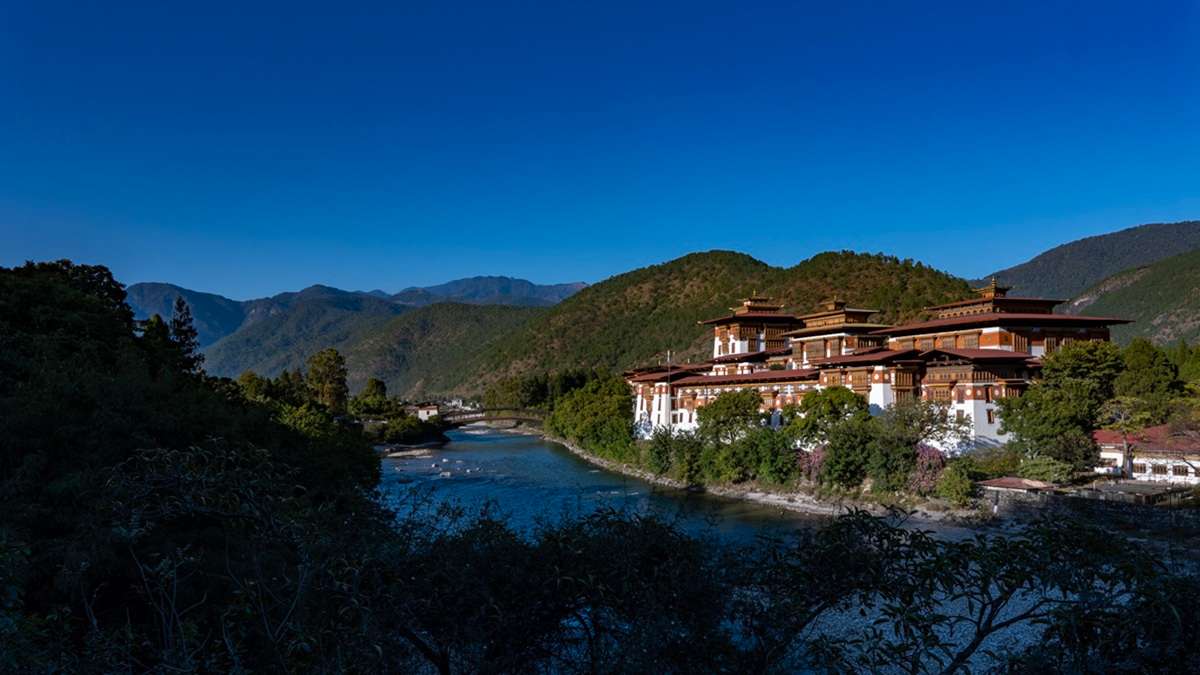
Punakha Dzong - Built in 1637, the dzong continues to be the winter home for the clergy, headed by the Chief Abbott, the Je Khenpo. It is a stunning example of Bhutanese architecture, sitting at the fork of two rivers, portraying the image of a medieval city from a distance. The dzong was destroyed by fire and glacial floods over the years but has been carefully restored and is, today, a fine example of Bhutanese craftsmanship.
In the afternoon, we would start our drive to Paro. Before we start we will pay a visit to ChhimiLhakhang (left) - A 20 minutes walk across terraced fields through the village of Sopsokha from the roadside to the small temple located on a hillock in the centre of the valley below Metshina. Ngawang Chogyel built the temple in 15th century after the ’Divine Madman’ Drukpa Kuenlay built a small chorten there. It is a pilgrim site for barren women.
12
Drukgyal Dzong - A morning drive, north of Paro valley brings us to the ruins of Drukgyal Dzong. Built in 1647 by the great Shabdrung Ngawang Namgyal, father and unifier of medieval Bhutan, the Dzong was destroyed by an accidental fire and left in ruins as an evocative reminder of the great victories it was built to commemorate.Explore the ramparts and relive the memories of a glorious past.
Taktsang Monastery - A one hour hike to the cafeteria is also a vantage view whereby you can enjoy the stunning view of the monastery. Prayer flags adorn the cliffs and this is also where Guru Padmasambhava landed on the back of a tigress in the 8th century.
Kyichu Lhakhang - After a sumptuous local lunch, we will retrace our steps to visit Kyichu Lhakhang, one of the oldest temples in Bhutan.
The Paro Tshechu, as all Tshechu festivals, honors Padma Sambhawa, also known as Guru Rimpoche, the precious yogi and saint who is credited with having introduced Tantric Buddhism throughout the Himalayas. The festival’s masked dances are performed by monks clad in colorful brocade attire and permeated by chants and reading of Buddhist scripts. The culmination of festival constitutes the unfolding of a huge cloth thanka, a sacred scroll, depicting Padma Smabhawa and imagery from Buddhist pantheon.
Bhutanese people can be seen wearing their best and colorful national dress making the already colorful festival even more colorful.
13
Today we will bid fond farewell to this beautiful Himalayan country and take an early flight back to Singapore. We hope by now you would have made some friends and also kept many photos and beautiful memories of Bhutan! And we look forward to seeing you again in this beautiful land of endless Enchantments! Thank you for choosing our Bhutan Festival Tours! Tashi Delek!
Route Map




per person · SDF included
Plan This Journey →



Community Partners
Your journey contributes directly to local communities. Complete a feedback form after your tour and Druk Asia will donate to your chosen cause.
 Gyalyum Trust
 VAST Bhutan
 Museums of Bhutan
Let's Customise Your Dream Bhutan Adventure
Join over 22,940+ happy travellers who've trusted our Bhutan experts to craft journeys that are anything but ordinary.
- Visa guaranteed — or your money back
- Pick your perfect stay — charming farmstay or luxe hotel
- Design your day — change activities even while you're in Bhutan
- Add a vibrant festival — timing around Bhutanese celebrations is pure magic
- Hike more, or hike less — totally your pace
- Experience Bhutan like a local — hot stone bath, cooking session, astrology reading
