 Druk Asia
Our Awards




Our Reviews




The Bhutanese Currency: Everything You Need To Know About The Ngultrum


Bhutan, a kingdom nestled in the eastern Himalayas, is known for its breathtaking landscapes, vibrant culture, and unique development philosophy centered around Gross National Happiness. Among the many things that make Bhutan distinct is its national currency, the Bhutanese Ngultrum (BTN).
If you're planning a trip to Bhutan or simply want to understand how Bhutan's currency works, this guide covers everything you need to know, from banknotes and exchange rates to practical tips for spending money during your visit.
This guide covers everything you need to know about the Bhutanese Ngultrum, including denominations, exchange rates, payment methods, and practical money tips for travellers.
What Is the Bhutanese Ngultrum?
The official currency of Bhutan is the Bhutanese Ngultrum, represented by the symbol Nu. and the currency code BTN.
One Ngultrum is divided into 100 Chhertum.
The Bhutanese Ngultrum was introduced in 1974 and has remained pegged at par with the Indian Rupee (INR), meaning:
1 Bhutanese Ngultrum = 1 Indian Rupee

This fixed exchange rate simplifies trade and travel between Bhutan and India, Bhutan's largest trading partner. Indian Rupees (INR50, INR100 and INR500) are commonly accepted in Bhutan.
Currency Denominations
Banknotes
Bhutanese banknotes are available in the following denominations:
- Nu. 1
- Nu. 5
- Nu. 10
- Nu. 20
- Nu. 50
- Nu. 100
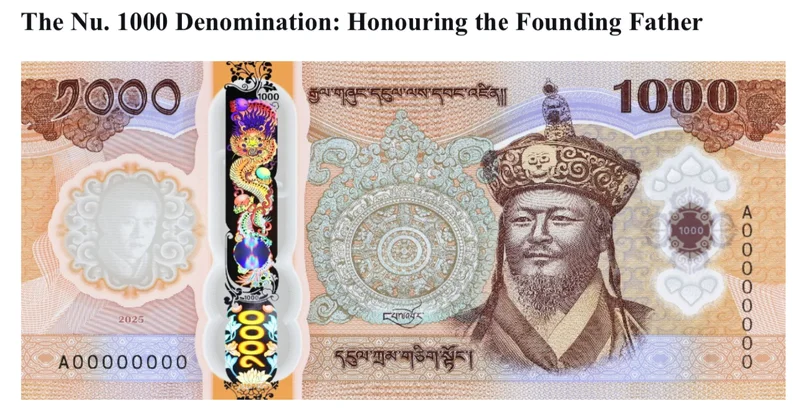
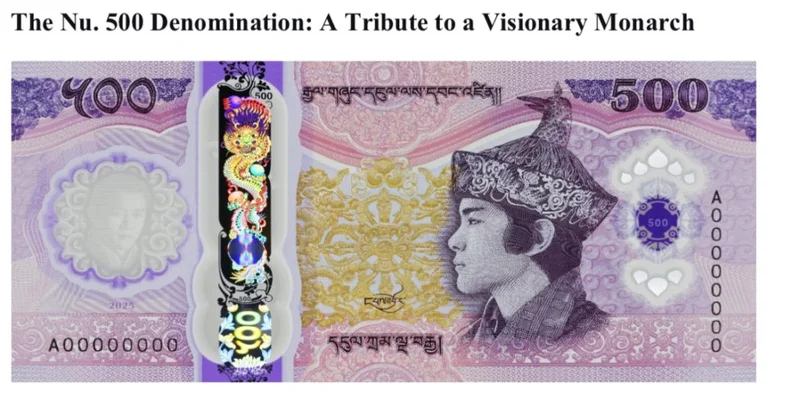
- Nu. 500
- Nu. 1,000
While all denominations remain legal tender, the Nu. 500 and Nu. 1,000 notes are less commonly encountered in everyday transactions.
Bhutanese Coins
Over the years, Bhutan has issued coins in denominations including:
- 5 Chhertum
- 10 Chhertum
- 20 Chhertum
- 25 Chhertum
- 50 Chhertum
- Nu. 1
- Nu. 3
Today, coins are no longer in use, with most transactions conducted using banknotes or digital payment methods.

IMPORTANT NOTE
Do note that Bhutan only accepts 10 major foreign currencies for exchange: U.S. Dollar, Pound Sterling, Euro, Japanese Yen, Swiss Franc, Hong Kong Dollar, Canadian Dollar, Danish Kroner, Australian Dollar and Singapore Dollars.
US Dollar bills issued before the year 2000 are not accepted in Bhutan.
The History of Bhutan's Currency
Before the introduction of the Ngultrum, various currencies circulated within Bhutan, including Indian Rupees and Tibetan currency.
In 1974, Bhutan established the Ngultrum as part of broader economic reforms aimed at strengthening the country's financial system and national identity. Since then, the Royal Monetary Authority (RMA) has overseen the issuance and management of Bhutan's currency.
Bhutan's Currency and the Indian Rupee
One unique aspect of Bhutan's monetary system is its close relationship with India.
The Bhutanese Ngultrum is pegged to the Indian Rupee at a fixed 1:1 exchange rate. Indian Rupees are widely accepted throughout Bhutan, particularly notes of smaller denominations.
However, travelers should note:
- Bhutanese Ngultrum is not accepted outside Bhutan.
- Indian Rupees are commonly accepted within Bhutan.
- Large denomination Indian notes may occasionally face restrictions depending on current regulations.
It's always advisable to carry a mix of cash and cards when travelling.
The Design and Features of Bhutanese Banknotes
Bhutanese banknotes are known for their vibrant colours, intricate artwork, and cultural significance. Each denomination showcases a different aspect of Bhutan's heritage, religion, history, or natural beauty.
Nu. 1
Features traditional Bhutanese cultural motifs that reflect the country's rich artistic heritage.
Nu. 5
Depicts important national landmarks and symbols of Bhutanese governance.
Nu. 10
Highlights Bhutan's agricultural traditions and the importance of farming communities.
Nu. 20
Celebrates Bhutan's performing arts through images of traditional dances and festivals.
Nu. 50
Features the iconic Paro Taktsang (Tiger's Nest Monastery), one of Bhutan's most famous landmarks.
Nu. 100
Showcases Bhutan's monarchy and its central role in the country's development.
Nu. 500
Features significant national monuments and symbols of peace and prosperity.
Nu. 1,000
Highlights Bhutan's spiritual heritage and architectural achievements.
Beyond their practical use, Bhutanese banknotes serve as miniature showcases of the country's culture and values.
Bhutan's New Banknote Series
In November 2025, the Royal Monetary Authority of Bhutan introduced a new series of banknotes to commemorate the 70th birth anniversary of His Majesty the Fourth King of Bhutan, King Jigme Singye Wangchuck. The updated notes feature enhanced security features, improved durability, and refreshed designs that celebrate Bhutan's history, culture, and development.
The new series reflects Bhutan's ongoing progress while honouring the legacy of the Fourth King, who is widely regarded as the architect of modern Bhutan and the visionary behind the concept of Gross National Happiness. The banknotes also showcase important national landmarks, cultural symbols, and achievements that have shaped the Kingdom's journey over the past decades.
As older banknotes continue to circulate alongside the new series, visitors may encounter different designs during their travels, each offering a unique glimpse into Bhutan's heritage and national identity.
Commemorative Banknotes
The Royal Monetary Authority has also issued several commemorative banknotes to celebrate important national events.
Notable examples include:
- The Royal Wedding of His Majesty King Jigme Khesar Namgyel Wangchuck and Her Majesty Queen Jetsun Pema in 2011.
- The birth of His Royal Highness The Gyalsey (Crown Prince) in 2016.
- Significant royal anniversaries and national milestones.
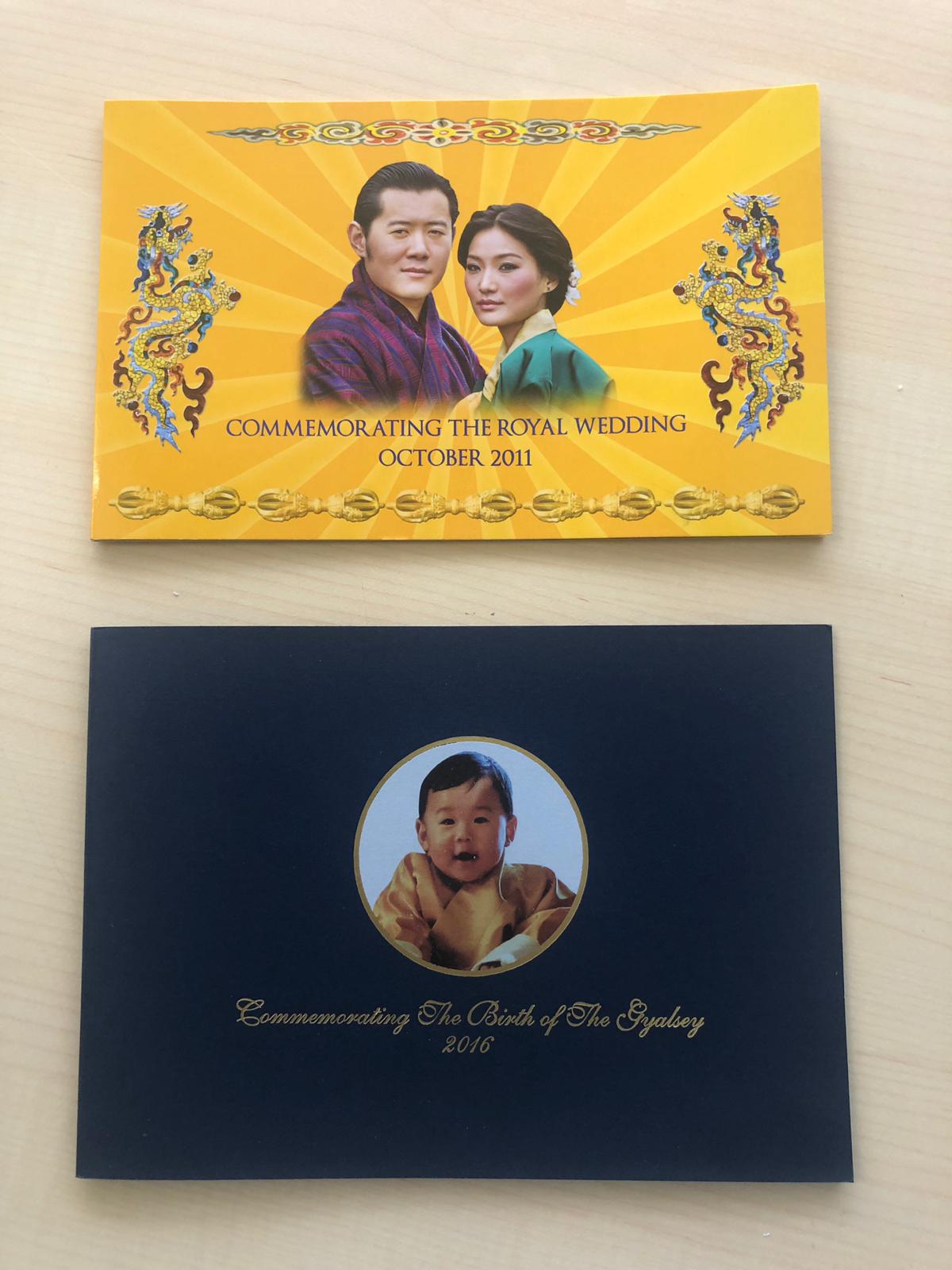
These limited-edition notes are highly sought after by collectors and often become treasured souvenirs.
Can You Use Credit Cards in Bhutan?
Yes, credit cards are accepted in many hotels, restaurants, and shops in major towns such as:
- Thimphu
- Paro
- Punakha
However, smaller businesses, local markets, and remote villages may only accept cash.
Visa and Mastercard are the most widely accepted international cards, though acceptance can vary.
For convenience, many travelers carry a combination of:
- Cash (Ngultrum)
- Credit cards
- Digital payment options where available
Are ATMs Available in Bhutan?
ATMs can be found in major towns including Paro and Thimphu.
However:
- International card compatibility may vary.
- Machines occasionally run out of cash.
- Rural areas may have limited or no ATM access.
It is recommended to bring along some cash with you and exchange it at Paro Airport when you arrive in Bhutan.
Can You Exchange Money in Bhutan?
Yes. Foreign currency can be exchanged at:
- Paro International Airport
- Banks
- Licensed exchange counters
- Selected hotels
Commonly accepted currencies include:
- US Dollar (USD)
- Euro (EUR)
- Singapore Dollar (SGD)
- British Pound (GBP)
- Australian Dollar (AUD)
- Indian Rupee (INR)
Exchange rates fluctuate, so it is advisable to check current rates before your trip.
Practical Money Tips for Bhutan Travelers
Carry Some Cash
While card acceptance is improving, cash remains important, particularly for:
- Local handicraft shops
- Small cafés
- Village markets
- Tips and personal purchases
Keep Your Receipts
If you purchase handicrafts, artwork, antiques, or valuable souvenirs, keep all receipts.
Customs officials may request proof of purchase when you leave Bhutan, particularly for antique or culturally significant items.
You may also need exchange receipts if you wish to convert unused Ngultrum back into another currency before departure.
Budget for Personal Expenses
Most Bhutan tour packages cover accommodation, transportation, guides, and meals. However, you may still need spending money for:
- Souvenirs
- Drinks
- Personal shopping
- Donations at monasteries
- Optional activities
Frequently Asked Questions About Bhutan Currency
Can I use US Dollars in Bhutan?
US Dollars are generally not accepted for everyday purchases. You should exchange them for Ngultrum or use a credit card where available.
Can I use Indian Rupees in Bhutan?
Yes. Indian Rupees are widely accepted across Bhutan and are interchangeable with Ngultrum at a 1:1 rate. Indian Rupees (INR50, INR100 and INR500) are commonly accepted in Bhutan.
Can I take Bhutanese Ngultrum out of Bhutan?
Ngultrum has limited use outside Bhutan. Most visitors exchange any remaining currency before departing.
Is Bhutan becoming cashless?
Digital payments are growing, particularly in Thimphu and Paro, but cash remains important throughout much of the country.
The Bhutanese Ngultrum is more than just a means of exchange. It reflects Bhutan's history, culture, and national identity.
For travelers, understanding how Bhutan's currency works can make your journey smoother and help you budget with confidence. Whether you're exploring ancient monasteries, browsing local markets, or enjoying Bhutan's spectacular mountain landscapes, having a basic understanding of the Ngultrum will ensure you're well prepared.
If you're planning a trip to Bhutan, Druk Asia can help you arrange everything from flights and visas to customized itineraries and guided experiences. Our team has helped thousands of travelers discover Bhutan with ease, comfort, and confidence.
Have questions about travelling to Bhutan or managing your travel budget? Contact our Bhutan specialists and we'll be happy to help.
Want to Find Out More About Travelling to Bhutan?
Thinking of visiting Bhutan? Let our friendly team of Travel Specialists guide you every step of the way. During peak travel periods — such as festival seasons — flights can get fully booked several months in advance. You can reserve your ticket with us at no cost, giving you peace of mind while you plan the rest of your adventure.
Send Us a Message
Share your plans and one of our Bhutan Travel Specialists will be in touch.
