 Druk Asia
Table of Contents
Looking for Current Bhutan Festival Dates?
What Happens at a Bhutan Festival?
The Main Types of Festivals in Bhutan
Which Bhutan Festival Should You Choose?
Large Festivals or Smaller Local Celebrations?
How Long Should a Bhutan Festival Trip Be?
When Should You Book a Festival Trip?
How to Attend a Bhutan Festival Respectfully
Photography at Bhutan Festivals
What If No Festival Matches Your Travel Dates?
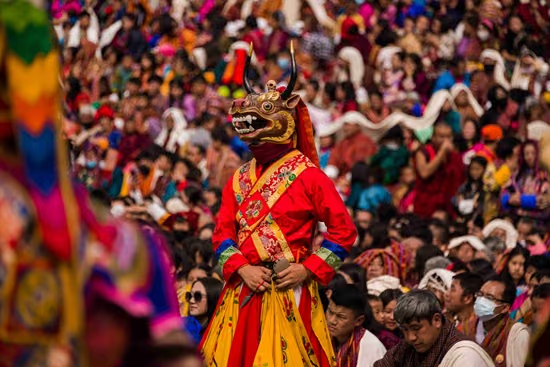
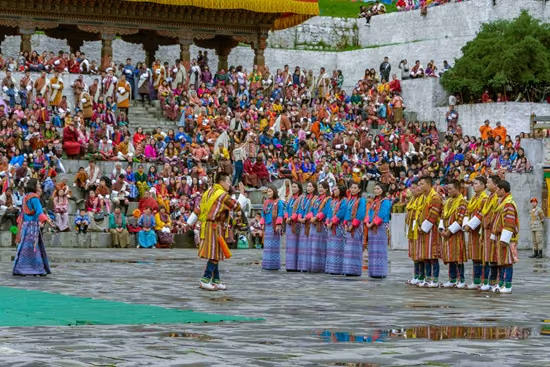
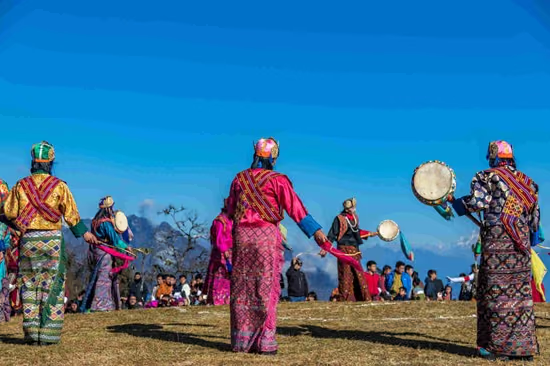
A Bhutanese festival brings spiritual practice, storytelling and community life together in one place. Monks perform sacred dances, families arrive in their finest gho and kira, children weave through the crowd and familiar faces meet again over shared food and conversation.
For travellers, the colour is immediately captivating. Look beyond the masks and brocade, however, and you will find something deeper. Bhutan’s religious festivals are living occasions of faith. They are attended for blessings, reflection and connection, not staged as shows for visitors.
Including a festival in your journey gives you the chance to experience Bhutanese culture as it is lived. A knowledgeable guide can help you understand the stories, symbols and rituals taking place, so the day becomes far more meaningful than simply watching a series of performances.
Looking for Current Bhutan Festival Dates?
Many tshechu dates follow the Bhutanese lunar calendar and move from one year to the next. Programmes can also be adjusted after dates are first announced. Use the dedicated annual calendars for current dates, locations and planning information:
This guide explains what Bhutan’s festivals mean, what you can expect and how to choose the right celebration for your trip.
What Is a Bhutanese Tshechu?
A tshechu is an annual Buddhist festival associated with Guru Rinpoche, also known as Padmasambhava, who played a central role in establishing Vajrayana Buddhism in Bhutan. The word tshechu refers to the tenth day of a lunar month, although the duration and programme vary across districts and temples.
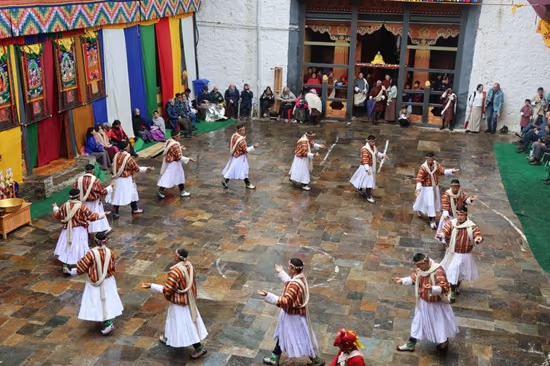
Tshechus are held in dzongs, monasteries and temple courtyards throughout Bhutan. Some bring together large crowds from an entire district. Others remain intimate gatherings centred on a village or valley.
The word tshechu is often used as shorthand for Bhutanese festivals, but not every festival is a tshechu. Bhutan also has historical commemorations, nature celebrations and events dedicated to regional food, crafts and highland livelihoods.
What Happens at a Bhutan Festival?
Each festival has its own programme, yet several elements appear across many religious celebrations.
Sacred Cham Dances
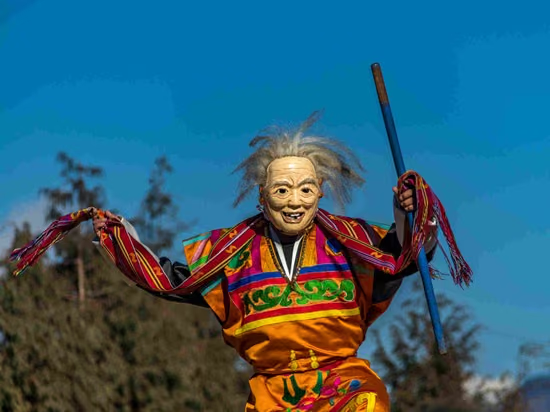
Cham are ritual dances performed by monks or trained lay dancers wearing elaborate masks and richly decorated costumes. The figures may represent enlightened beings, protective deities, animals or characters from Buddhist teachings.
These dances are not simply entertainment. Their movements and sequences convey spiritual teachings, local history and moral lessons. Your guide can explain the story behind each performance and help you recognise recurring figures and symbols.
Atsaras and Moments of Humour
Atsaras are the expressive masked characters who move freely among dancers and spectators. They bring humour and spontaneity to the festival, interact with the crowd and help maintain the flow of the performances. Their playful behaviour may appear irreverent at first, but the role carries cultural and spiritual meaning.
Blessings and the Thongdrel
Selected tshechus include the unfurling of a thongdrel, an immense sacred textile depicting Guru Rinpoche or other Buddhist figures. It may be displayed for only a short period, often early in the morning, as direct sunlight can damage the fabric.
Seeing a thongdrel is believed to bring blessings. Not every festival includes a public display, so check the programme before planning your visit around this moment.
A Gathering for the Whole Community
Festivals are also important social occasions. Families dress formally, meet relatives and spend much of the day together. The setting may feel lively, but religious devotion remains at the heart of the gathering.
This combination of ceremony and everyday community life is what makes a Bhutan festival so memorable. You are not only observing a performance. You are sharing space with people taking part in a tradition that belongs to their home, family and faith.
The Main Types of Festivals in Bhutan
Major Dzong Tshechus
Large district festivals such as Paro Tshechu and Thimphu Tshechu attract substantial local crowds and offer an extensive programme of sacred dances. Their convenient locations also make them easier to include in a first journey to Bhutan.
Smaller Valley and Village Festivals
Celebrations such as Talo Tshechu, Ura Yakchoe, Nimalung Tshechu and Prakhar Tshechu tend to feel more intimate. Reaching them can require a longer itinerary, but they offer more time in rural communities and a quieter festival atmosphere.
Historical and National Commemorations
Some events tell the story of important moments in Bhutanese history. Punakha Drubchen recreates the defence of Bhutan in the seventeenth century, while Druk Wangyel Tshechu presents a distinctive programme connected with modern Bhutanese history.
Nature and Livelihood Festivals
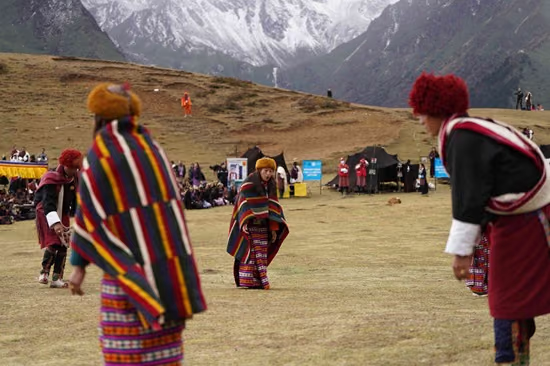
Bhutan also celebrates the landscapes, wildlife and traditions that sustain local communities. The Black Necked Crane Festival highlights conservation in Phobjikha Valley, while the Royal Highland Festival brings attention to highland culture, skills and livelihoods in Laya.
Which Bhutan Festival Should You Choose?
The best festival is not always the biggest one. Your available time, preferred season, interest in local culture and comfort with longer road journeys all matter.
| Festival | What Makes It Distinct | Well Suited To |
| Paro Tshechu | One of Bhutan’s most recognised tshechus, held in Paro and easy to combine with the Tiger’s Nest hike | First visits, shorter itineraries and travellers seeking a large celebration |
| Thimphu Tshechu | A major gathering in the capital with a broad programme of sacred dances | Travellers who want a large festival with convenient access to Thimphu’s cultural sights |
| Punakha Tshechu | Sacred performances in the impressive setting of Punakha Dzong | History, architecture and cultural photography |
| Jambay Lhakhang Drup | Ceremonies at one of Bhutan’s oldest temples in the spiritual heartland of Bumthang | Travellers seeking a deeper religious and regional experience |
| Royal Highland Festival | A celebration of highland culture, food, sport and livelihoods in remote Laya | Active travellers comfortable with a longer journey and high elevation |
| Black Necked Crane Festival | A community celebration of conservation and the cranes that return to Phobjikha Valley | Nature lovers, birdwatchers and families |
| Druk Wangyel Tshechu | A distinctive one day festival at Dochula Pass, with the Himalayas as its backdrop | Photography, mountain scenery and travellers visiting in winter |
You can also browse all Bhutan festival tours to compare routes and journey lengths.
Large Festivals or Smaller Local Celebrations?
Paro and Thimphu are good introductions for many first time visitors. Both are part of popular western Bhutan routes, offer a wide variety of performances and can be combined with the country’s best known cultural landmarks. Their popularity also means larger crowds and stronger demand for flights, hotels and experienced guides.
A smaller festival can feel more personal. There may be fewer visitors, a closer view of local community life and more time to absorb the setting. These celebrations can involve longer drives and fewer accommodation choices, but the journey often introduces you to places that receive less tourism. Smaller does not mean less important. The right choice depends on the kind of experience you value.
How Long Should a Bhutan Festival Trip Be?
Some festivals last a single day, while major tshechus can continue for several days. You do not need to attend every session to have a meaningful experience. Your guide can identify the rituals or performances most relevant to your interests and balance festival time with the rest of your itinerary.
A journey through Paro, Thimphu and Punakha can usually include a western Bhutan festival without adding a major detour. Festivals in Bumthang, Laya or eastern Bhutan need more travel time because of distance, mountain roads and, in some cases, elevation.
Avoid building an itinerary that rushes from one venue to another simply to collect festival photographs. Time in the surrounding valley, villages and sacred sites provides the context that makes the celebration easier to understand. Our complete Bhutan trip planning guide can help you decide how many days to allow.
When Should You Book a Festival Trip?
Book as soon as the dates you want are confirmed, especially for Paro Tshechu and Thimphu Tshechu. Four to six months in advance is a sensible starting point for major festivals. Earlier planning gives you a better choice of flights, hotels and guides.
Festival seasons often coincide with popular months for travel, so it is useful to compare the best time to visit Bhutan and check the latest Drukair flight schedule before confirming your itinerary.
Keep some flexibility until the programme is final. Dates and performance timings may be revised, particularly when they are first published far in advance.
How to Attend a Bhutan Festival Respectfully
Visitors are welcome at many public festivals, but you are entering a religious and community space. A few thoughtful habits make a real difference.
Wear modest clothing that covers your shoulders and knees. Bring layers for cool mornings and changing mountain weather.
Follow instructions from your guide, monks and local officials. Seating areas and access routes can change as the venue fills.
Do not enter the dance area, block processions or stand directly in front of local spectators for long periods.
Ask before taking close portraits. A public setting does not remove someone’s right to decline a photograph.
Check before using flash, recording long videos or photographing indoor rituals. Rules differ by venue and ceremony.
Keep your voice low during prayers and blessings. Remove hats when entering sacred indoor spaces.
Do not touch masks, costumes, altars or religious objects unless invited.
Expect crowds and be patient. Local worshippers and elderly attendees should be given space and priority.
Good festival etiquette is less about memorising rules and more about recognising that you are a guest at an occasion with deep meaning for the people around you.
Photography at Bhutan Festivals
Bhutan’s festivals are highly photogenic, but the strongest images usually come from patience rather than constant movement. Notice the anticipation before a dance begins, the details of woven clothing, the expressions of families watching and the quiet moments between ceremonies.
Outdoor performances can often be photographed, although access and restrictions vary. Ask your guide before photographing rituals, monks at close range or children. A longer lens can help you capture the action without entering ceremonial spaces or obstructing other spectators.
Put the camera down at times. Understanding what you are seeing will often lead to more thoughtful photographs later.
What If No Festival Matches Your Travel Dates?
A meaningful cultural journey in Bhutan does not depend on attending a major festival. You can still visit dzongs and monasteries, learn about traditional arts, watch an archery match, spend time in a village or arrange a farmhouse experience. Browse our Bhutan cultural tours for ideas. Your guide may also know about smaller ceremonies or local observances taking place during your stay. Access should never be assumed, particularly for private religious events, but an invitation can become one of the most memorable parts of a journey.
Plan Your Bhutan Festival Journey
Start with the festival that interests you, then build a journey around its location rather than treating it as an isolated event. We can help you compare dates, plan realistic road journeys, choose accommodation and combine festival sessions with cultural sites, nature and walks at a comfortable pace.
Before travelling, review the latest information on Bhutan visa and SDF costs. When you are ready, explore our Bhutan festival tour packages or speak with a Druk Asia Travel Specialist to create a private itinerary.
Frequently Asked Questions About Bhutan Festivals
Is Every Bhutanese Festival a Tshechu?
No. A tshechu is a Buddhist religious festival associated with Guru Rinpoche. Bhutan also hosts historical commemorations, conservation events, seasonal food festivals and celebrations of regional culture and livelihoods.
Are Bhutan’s Festivals Staged for Tourists?
Bhutan’s religious festivals are genuine community and spiritual occasions. Visitors may attend many public events, but the ceremonies, dances and blessings are held for their religious and cultural purpose rather than created as tourist entertainment.
Can Tourists Attend a Bhutan Festival?
Yes. International visitors are welcome at many public tshechus and cultural festivals. Some areas or rituals may have restricted access, so follow the directions of your guide and local organisers.
Is a Special Festival Permit Required?
Most public festivals do not require a separate festival permit. Standard visa, travel, monument and route arrangements still apply. Your tour operator can confirm requirements for the location included in your itinerary.
Can I Wear a Gho or Kira to a Festival?
Yes, this can often be arranged. Traditional dress should be worn correctly and respectfully, so ask your guide for help with fitting and etiquette. It should feel like cultural participation, not a costume for a photograph.
Is One Day at a Tshechu Enough?
One well planned visit can give you a rich introduction, especially when a guide explains the programme. Travellers with a strong interest in religion, dance or photography may prefer to attend different sessions across two days.
Can Children and Older Travellers Attend?
Yes, but festival days can involve early starts, crowds, limited seating and uneven surfaces. A private guide can plan a shorter visit, identify easier access and arrange breaks according to the needs of your group.
Can I Photograph the Masked Dances?
Photography is often allowed during outdoor performances, but restrictions vary. Avoid flash unless permission is clear, do not enter the dance space and ask before taking close portraits. Your guide can advise you at each venue.
Can I Attend More Than One Festival on the Same Trip?
Sometimes. Festival dates may overlap or fall close enough to combine, but Bhutan’s road journeys can be long. A realistic route matters more than fitting the greatest number of events into one holiday.
What Should I Do If a Festival Date Changes?
Check the relevant annual calendar before booking flights and again before travel. A specialist can adjust the sequence of your itinerary when a date or programme changes.
