 Druk Asia
So you've decided to swap Australia's beaches for Bhutan's mountains? Good on you. This little kingdom tucked away in the Himalayas is nothing like anywhere you've been before. Forget everything you think you know about Asian travel. Bhutan marches to the beat of its own drum, and that's exactly what makes it bloody brilliant.
Most Aussies have never heard of Bhutan, let alone visited. That's their loss. This place measures Gross National Happiness instead of GDP, has more trees than people, and still makes visitors feel like they've stumbled into a fairytale. But here's the thing: you can't just rock up with a backpack like you would in Thailand. Bhutan requires planning, respect, and a decent budget.
Your Australia to Bhutan journey isn't just physical. It's a step toward cultural connection and maybe even self discovery. Knowing what you're getting into makes all the difference.
They Actually Charge You A Tourist Fee Per Night
Here's something that'll surprise you. Bhutan actively keeps tourist numbers low with their "High Value, Low Volume" tourism policy. They've seen what mass tourism did to places like Nepal and don't want a bar of it.
Every tourist is required to pay a daily Sustainable Development Fee (SDF) on top of the tour package costs, which cover accommodation, a licensed guide, transport, and meals. It ensures that tourism growth directly benefits local communities, helps fund free healthcare and education for Bhutanese citizens, and supports environmental conservation projects across the country.
This policy means you'll never fight crowds for photos. Temples aren't overrun with tourists, and locals genuinely welcome visitors because they're not overwhelmed by them. It's refreshing after dealing with tourist hordes elsewhere.
Planning your adventure? Our 7-day Essential Bhutan package covers all the logistics so you can focus on enjoying this incredible destination.
Getting There from Sydney and Melbourne
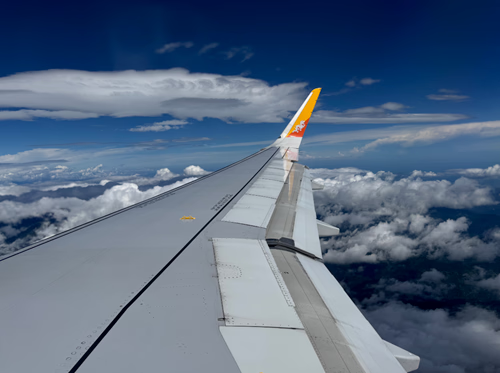
No direct flights from Australia, mate. You'll typically fly from Sydney or Melbourne to Bangkok with Thai Airways or Qantas, then connect to Paro Airport with Drukair. Total travel time is about 16 to 24 hours depending on layovers.
Other routing options include Singapore, Delhi, or Kathmandu, but Bangkok is usually the most convenient for Aussies. Book early morning flights into Paro if possible. The airport shuts down when weather gets dodgy, and afternoon flights get cancelled more often.
Paro Airport is one of the most challenging landings in the world. Only specially trained pilots can land there, which tells you something about what you're in for. The approach through the mountains is spectacular but can be nerve wracking if you're not good with bumpy landings.
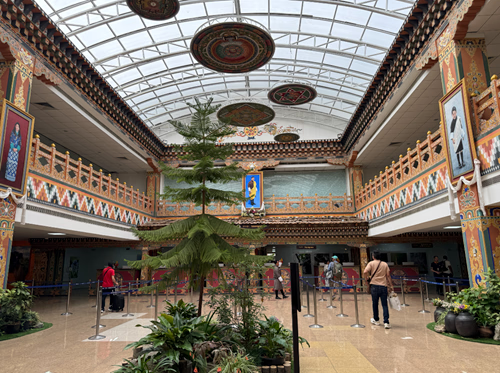
Your licensed tour guide will greet you at the airport. Immigration is smooth if your visa has been pre-approved by your tour operator, which it should be if you've booked properly.
Visa Sorted Through Your Tour Company
Forget about applying for visas yourself. It’s much easier if you arrange them through your licensed Bhutanese tour operator like Druk Asia as part of your package. You'll need to send your passport details well in advance, and we’ll handle all the paperwork for you.
The visa approval comes through as a letter that you present at Paro Airport along with your passport. Don't stress if you don't get a physical visa sticker beforehand. That's normal for Bhutan tourism.
Processing usually takes a week or two, so don't leave it to the last minute. Peak seasons like spring and autumn book up quickly, so early planning saves headaches later.

Need help with your visa process?
Druk Asia handles all Bhutan visa arrangements as part of our tour packages, making the entire process hassle free for Australian travellers. As an official Drukair representative, we can also assist you with your flight booking.
Altitude Will Definitely Affect You
Paro sits at 2,200 metres above sea level. That's higher than anything we've got in Australia, and you'll feel it from the moment you step off the plane. Some people get headaches, feel dizzy, or get short of breath during their first few days.
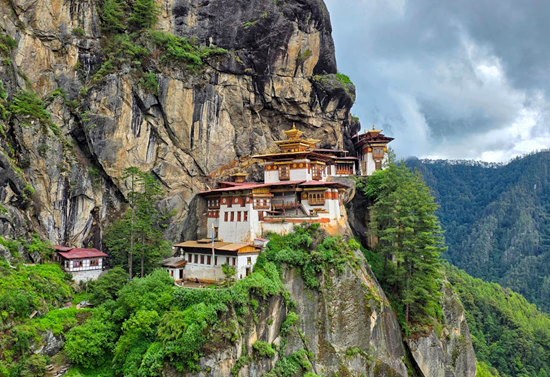
Thimphu's even higher at 2,320 metres. Tiger's Nest monastery sits at 3,120 metres. That's serious alpine territory. Take your time, drink plenty of water, and listen to your body. There's no shame in taking breaks during hikes.
Most people acclimatise within a few days, but some struggle more than others. The good news? The air's incredibly clean compared to most Asian cities. No pollution, just thin mountain air that makes you appreciate every breath.
If you've got heart problems or other serious health issues, chat with your doctor before booking. Altitude sickness can be dangerous if ignored.
The Culture Shock Is Real But Beautiful
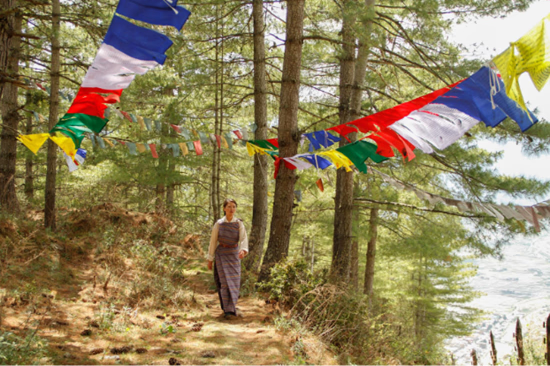
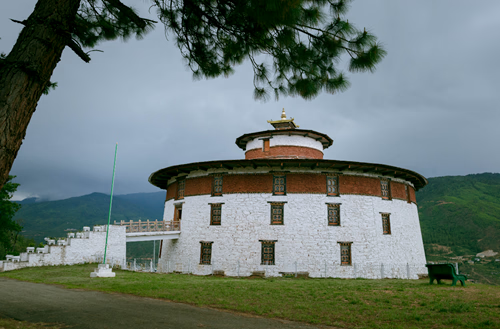
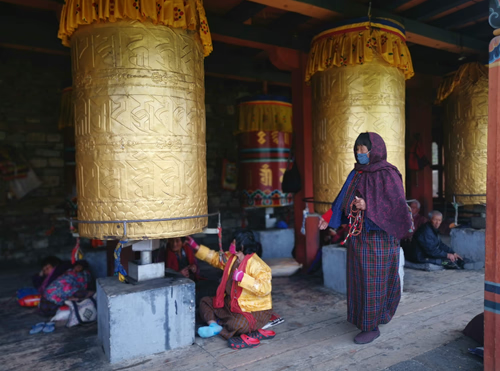
Bhutan's deeply Buddhist, and it shows everywhere. Prayer flags flutter on hillsides, monks in maroon robes walk the streets, and locals spin prayer wheels while going about daily life. It's incredibly peaceful but very different from multicultural Australia.
Traditional dress is mandatory in government offices and official events. Men wear ghos (they look like robes), women wear kiras (long dresses with jackets). Don't be surprised. It's normal here, not a costume show for tourists.
The pace of life moves slower than most places. Don't expect German efficiency or Japanese punctuality. Things happen when they happen, and getting frustrated won't change anything. You're on holiday, after all.
English is widely spoken, especially by younger people and anyone in tourism. Most signs are in English too, so you won't get lost trying to read the Dzongkha script.
Want real cultural immersion? Our 8-day Magical Bhutan Cultural Tour balances must see sights with authentic cultural experiences beyond the tourist surface.
Food That'll Challenge Your Taste Buds But Interesting
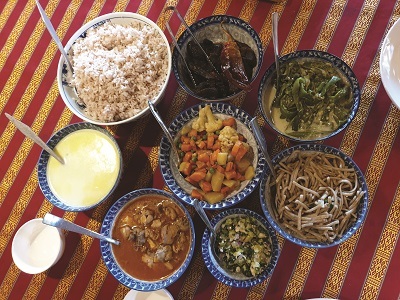
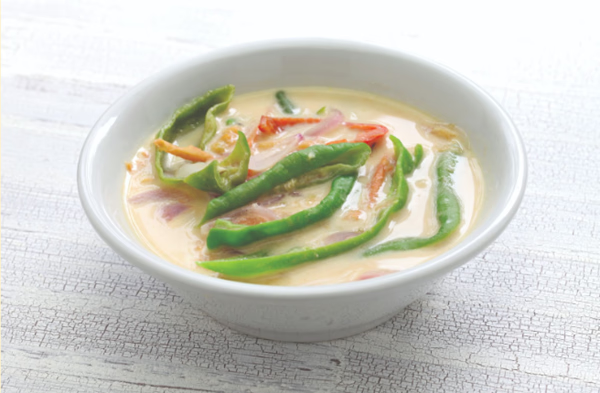
Forget what you know about "Asian food" from your local food court. Bhutanese cuisine is unique. Think Tibetan meets Indian with serious amounts of chilies. Ema datshi (chilies with cheese) is the national dish, and it'll test even Melbourne's spice lovers.
Red rice is the staple, nuttier and healthier than white rice. Meat's often yak, pork, or chicken, cooked simply with chilies and local vegetables. Momos (dumplings) are everywhere and usually a safe bet for sensitive stomachs.
The good news? Most meals are organic and locally sourced. Hotels serve fresh vegetables and healthy options that often agree with people better than processed food back home. Your tour package typically includes all meals, so you won't go hungry.
Butter tea (suja) is traditional but definitely an acquired taste. It's salty tea with yak butter that most tourists initially hate. Regular tea and coffee are available if you can't handle the local brew.
Weather That Changes Faster Than Melbourne
Mountain weather changes quicker than Melbourne's mood swings. You can experience four seasons in one day, so layers aren't just recommended, they're essential survival gear.
Spring (March to May) offers cool weather with blooming rhododendrons painting the valleys pink and white. Autumn (September to November) brings crisp air and crystal clear mountain views. These are peak seasons with the best weather but also the most tourists and highest prices.
Winter (December to February) can be bloody cold, especially mornings, but afternoons are often sunny and pleasant. It's also incredibly clear with amazing mountain views and fewer crowds.
Summer brings monsoon rains that can disrupt travel plans. Roads sometimes close due to landslides, and mountain views disappear behind clouds. But the countryside's incredibly green, and it's the cheapest time to visit.
Pack layered clothing, comfortable walking shoes, sunscreen, lip balm, and a reusable water bottle regardless of season. Mountain weather can change in minutes.
Money Matters and Daily Costs
Bhutan uses the ngultrum, which matches the Indian rupee in value. You can use Indian rupees everywhere, but avoid the large 500 and 1,000 rupee notes as they're often refused due to counterfeiting concerns.
Some upmarket hotels and shops in Thimphu and Paro accept credit cards, but it's still largely a cash economy. ATMs exist but don't always work with Australian cards. Bring US dollars to exchange, or get Indian rupees in Bangkok during your stopover.
Tipping isn't traditional in Bhutan but has become common with tourism growth. Guides and drivers appreciate tips, especially if they've gone above and beyond. A small tip goes a long way in showing appreciation.
Check out the payment guide for Bhutan.
Staying Connected (Or Not)
WiFi exists in most hotels and cafes, but don't expect NBN speeds. Streaming Netflix isn't happening, and video calls might be patchy. Many visitors find the digital detox refreshing after Australia's always connected lifestyle.
You can buy a local SIM card from B Mobile or TashiCell for better connectivity, or use international roaming if your provider covers Bhutan. WiFi is available in most tourist areas, so staying connected isn't impossible if you need it for work.
Mobile coverage is decent in towns and main valleys but disappears in remote areas and during treks. Power cuts happen occasionally, especially during storms, but hotels usually have backup generators.
Electrical outlets use Type D and G plugs (same as India). A universal adapter covers you, but specifically Indian plug adapters work fine too.
Check out everything you need to know about WiFi in Bhutan.
Ready for comprehensive cultural immersion?
Our 10-day Discover Bhutan package includes everything for a thorough first time experience.
Accommodation That Focuses on Views Over Luxury
Expect cozy hotels and heartwarming homestays with stunning mountain views. Most places focus on genuine hospitality and incredible locations rather than fancy amenities. Though, world-class 5-star resorts are available if you would like to experience the royalty treatment in Bhutan.
Rooms are generally comfortable with hot showers and heating, but don't expect resort style luxury unless you're specifically booking premium properties. The tradeoff is waking up to views of the Himalayas from your window.
Your Bhutan tour package typically includes accommodation, and operators choose places that balance comfort with authentic local character. Many hotels are family run businesses where you'll get personal service and local insights.
Hotels provide safe drinking water, but bottled water is widely available if you prefer. Most tourist accommodations have decent WiFi and basic amenities that cover your needs without unnecessary luxury.
Safety That Puts Most Countries to Shame
Bhutan's incredibly safe by any global standard. Crime against tourists is virtually nonexistent. You can walk around Thimphu at night without worry, something you can't say about many capital cities worldwide.
Your local guide provides an extra layer of security and local knowledge. They know the areas, customs, and can help with any issues that arise. Most guides are genuinely caring people who take pride in ensuring visitors have positive experiences.
The biggest health risks are altitude sickness, stomach adjustments to new food, and hiking injuries on mountain trails. Basic first aid knowledge and a small medical kit handle most issues you're likely to encounter.
Healthcare exists but is basic outside Thimphu and Paro. For serious medical emergencies, you'd need evacuation to Thailand or India. Though such cases are extremely rare in Bhutan. Comprehensive travel insurance that covers medical evacuation is essential, not optional.
Temple Etiquette That Matters
Buddhism dominates daily life, and temples are active places of worship, not just tourist attractions. Dress modestly with long pants and covered shoulders, remove hats and shoes when entering, and speak quietly.
Find out more about the dress code for Bhutan.
Photography rules vary by temple. Some allow exterior shots only, others permit interior photos without flash. Always ask your guide before taking photos. Many temples prohibit photography to preserve the spiritual atmosphere.
Prayer wheels always turn clockwise, and you should walk clockwise around temples and stupas. Don't point feet toward Buddha statues or touch religious objects without permission. Show the same respect you'd want visitors to show in your local church.
Women shouldn't touch monks or hand them things directly. It's not personal discrimination but religious protocol that's important to locals and their beliefs.
Find out more about Bhutanese culture and etiquette.
Your Guide Makes All the Difference
Though independent travel is now permitted, there are still certain conditions that require you to be accompanied by a tour guide at all times. Your tour guide is your cultural ambassador, translator, and local friend. These aren't just drivers or tour leaders. They're knowledgeable locals genuinely proud to share their country.
Good guides share stories about Bhutanese history, explain Buddhist traditions, and help you understand cultural nuances you'd miss traveling independently. They can arrange special experiences, introduce you to locals, and provide insights no guidebook offers.
Building rapport with your guide enhances your trip enormously. Don't be afraid to ask questions, request itinerary changes, or share your interests. Most guides are flexible and happy to customize experiences based on what fascinates you most.
Communication is key to getting the most from your visit. Guides appreciate travelers who show genuine interest in Bhutanese culture rather than just ticking off tourist sites.
Must See Spots for First Timers
Tiger's Nest Monastery tops every visitor's list. It's a challenging but incredibly rewarding 2 to 3 hour hike to this iconic monastery clinging to a cliff face. The views are spectacular, but pace yourself and take breaks. The altitude affects everyone.
Punakha Dzong sits at the confluence of two rivers and ranks among Bhutan's most beautiful fortresses. The architecture is stunning, and the riverside setting creates perfect photo opportunities.
Thimphu blends tradition with modernity in ways that'll surprise you. Local markets, traditional crafts centers, and government buildings where officials wear traditional dress show how Bhutan balances old and new.
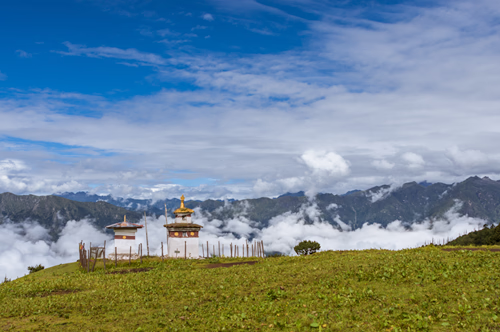
Dochula Pass features 108 chortens (stupas) with panoramic Himalayan views on clear days. It's a popular stop between Thimphu and Punakha that offers incredible photo opportunities and spiritual atmosphere.
Love hiking with cultural depth?
Our Bhutan trekking packages combine mountain adventures with cultural experiences, all guided by experts who know the best routes and hidden gems.
Shopping for Authentic Souvenirs
Bhutanese handicrafts are exceptional quality but reflect that in pricing. Hand woven textiles, traditional woodcarvings, and metalwork represent centuries old techniques still practiced today.
Kaja Throm and CSI Markets offer the best variety and most reasonable prices for local products. You'll find everything from chilies and spices to traditional clothing and crafts. Bargaining is acceptable but keep it reasonable and respectful.
Traditional Bhutanese clothing makes unique souvenirs. Many shops can tailor ghos for men or kiras for women if you want authentic traditional dress. Allow several days for proper fitting and tailoring.
Avoid items claimed to be antiques unless you're an expert. Many "antiques" are modern reproductions, and genuine antiques require special export permits that complicate customs clearance.
Final Reality Check
Bhutan isn't for everyone, and that's exactly what keeps it special. If you need beach vibes, nightlife, shopping malls, or constant entertainment, look elsewhere. This is about cultural immersion, natural beauty, and spiritual experiences.
The pace is intentionally slow, infrastructure is basic compared to Australia, and everything costs more than typical Asian destinations. But the tradeoff is experiencing something genuinely unique that hasn't been commercialized or ruined by mass tourism.
Most visitors leave feeling that Bhutan shifted their perspective on happiness, success, and what really matters in life. It's not marketing fluff. There's something transformative about a country that prioritizes wellbeing over wealth and preserves culture over profit.
Come with an open mind, realistic expectations, and genuine respect for local customs. You'll return with experiences and insights that influence your thinking long after you're back to regular Australian life.
Ready to discover what Bhutan's all about? Browse our complete Bhutan tour packages or chat with our Bhutan specialists who understand exactly what Australian travelers want from this incredible destination. Trust us, it'll be worth every dollar and every minute of travel time.
