 Druk Asia
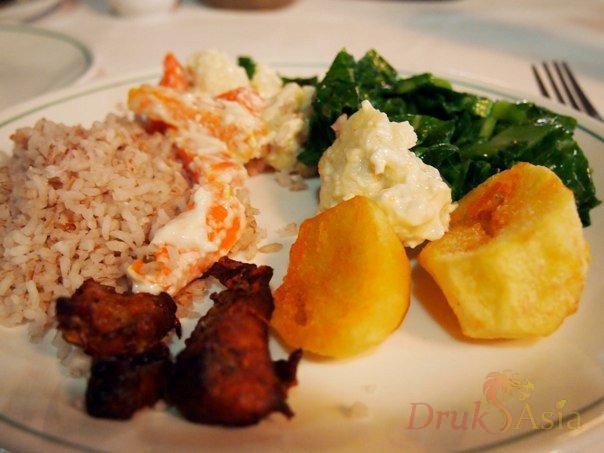
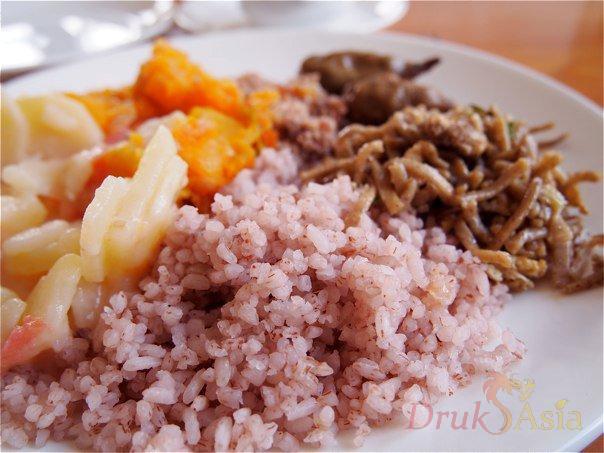
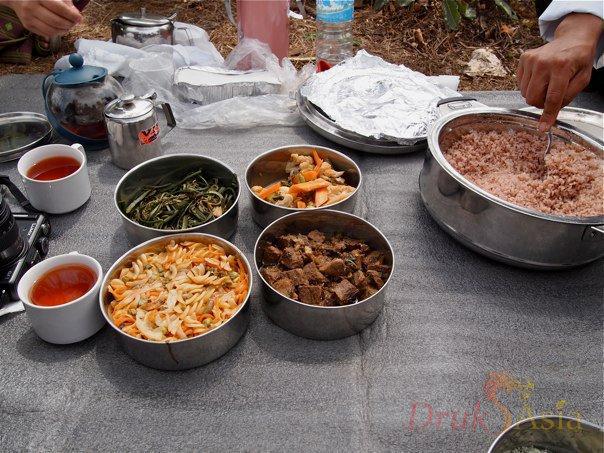
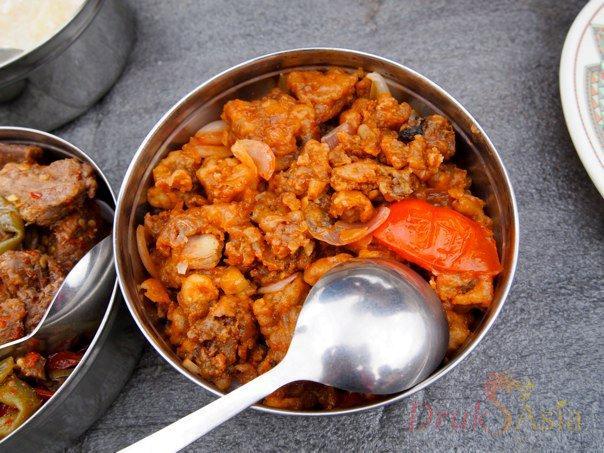
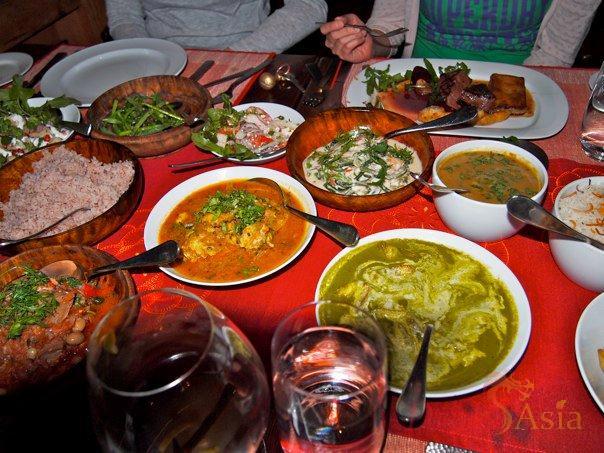
If there is one thing you will quickly discover about Bhutanese food, it is that Bhutanese people really do love their chillies.
In Bhutan, chilli is not simply added as a seasoning. It can be one of the main ingredients of a dish, usually accompanied by another favourite ingredient: cheese.
The result is a cuisine that is warming, comforting and distinctly Bhutanese.
Yet there is much more to Bhutanese cuisine than chilli and cheese.
Rice, buckwheat, potatoes, mushrooms, seasonal vegetables, pork, beef, chicken and dried meats all feature prominently, with food traditions changing as you travel between different parts of the country.
One of the best parts of travelling through Bhutan is getting to taste these differences for yourself.
If you are worried about the spice level, do not be. Restaurants accustomed to international visitors can usually prepare milder dishes, and if you are travelling with Druk Asia, simply tell your guide about your preferences.
Here are the Bhutanese dishes we recommend trying during your journey.
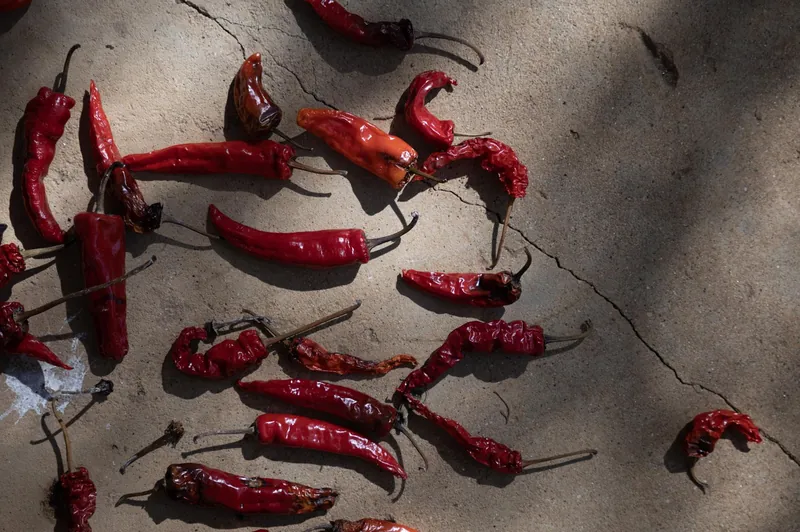
Table of Contents
What Makes Bhutanese Cuisine Different?
Vegetarian and Vegan Food in Bhutan
Traditional Bhutanese Food Culture
What Is Bhutanese Food Like?
Bhutanese cuisine is shaped by the country's climate, geography, agriculture and centuries of connections with neighbouring Himalayan cultures.
Rice is a staple across much of Bhutan, particularly red and white rice. In central regions such as Bumthang, you will encounter more buckwheat dishes.
Meals commonly include rice accompanied by vegetable or meat dishes. Chillies, cheese, onions, garlic and ginger appear frequently in Bhutanese cooking.
Pork, beef and chicken are widely eaten, while vegetables such as potatoes, spinach, radish, turnip, pumpkin, mushrooms and beans appear in many traditional meals.
What surprises many first time visitors is just how important cheese is.
The Bhutanese word datshi means cheese, which explains the names of some of the country's best known dishes: ema datshi, kewa datshi and shamu datshi.
20 Bhutanese Foods to Try
1. Ema Datshi
If you try only one traditional Bhutanese dish, make it ema datshi.
Often regarded as Bhutan's national dish, ema datshi combines chillies with cheese to create a rich, creamy and distinctly spicy dish.
Ema means chilli and datshi means cheese.
Different homes and restaurants prepare it slightly differently. You might encounter green chillies, red chillies or a combination of both, with variations in the consistency and cheese used.
Ema datshi is usually eaten with rice and other dishes rather than on its own.
If your tolerance for chilli is low, tell your guide. Restaurants serving travellers are familiar with adjusting spice levels.
Best for: Your first introduction to Bhutanese cuisine.
2. Bhutanese Red Rice
Red rice is one of the staples you are likely to encounter repeatedly during a journey through Bhutan.
Once cooked, it has a slightly nutty flavour and soft texture, making it an excellent accompaniment to dishes such as ema datshi and phaksha paa.
You will often see it served alongside several dishes in the centre of the table.
If you enjoy it, packaged Bhutanese red rice is also a popular product to take home. See our guide to what to buy in Bhutan for more Bhutanese souvenirs.
Best for: Practically every Bhutanese meal.
3. Kewa Datshi
If ema datshi sounds a little too fiery, try kewa datshi.
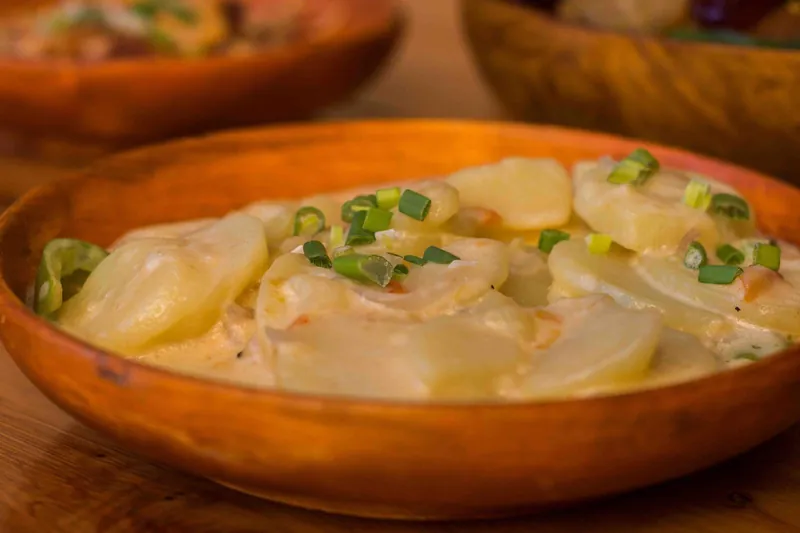
This comforting dish combines potatoes with cheese and usually some chilli.
The potatoes soak up the creamy sauce, resulting in one of the more approachable Bhutanese dishes for travellers who are still getting used to local spice levels.
Kewa means potato, so the name simply translates to potato and cheese.
Best for: Vegetarians and travellers who prefer gentler flavours.
4. Shamu Datshi
Shamu datshi is another variation of Bhutan's much loved cheese dishes.
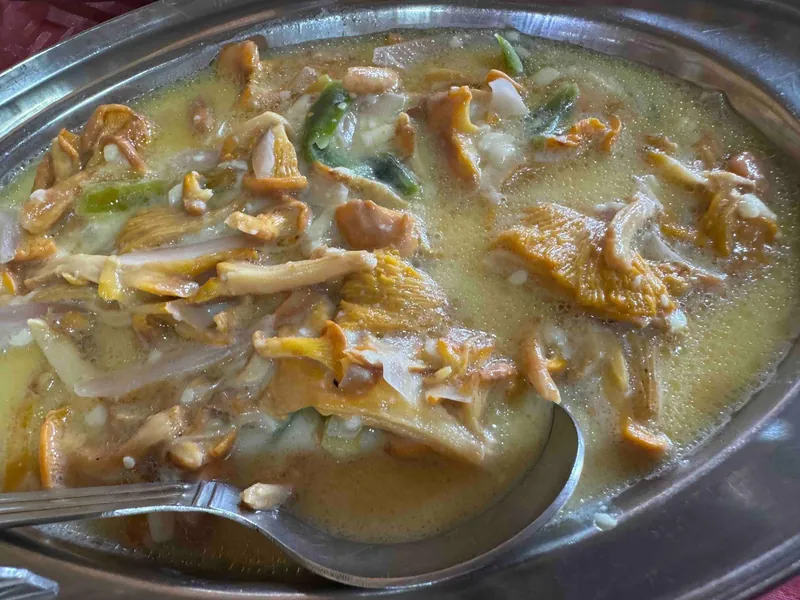
This time, mushrooms are cooked with cheese, creating an earthy and creamy dish that works beautifully with Bhutanese red rice.
Bhutan has many varieties of mushrooms, and the exact version you taste can vary according to what is locally available.
Best for: Mushroom lovers and vegetarians.
5. Jasha Maroo
Jasha maroo, sometimes written jasha maru, is a Bhutanese chicken dish commonly cooked with ginger, garlic, onion, tomatoes and chillies.
Compared with thick cheese based dishes, jasha maroo tends to be lighter and more broth like.
It is especially satisfying with a generous serving of rice on a cool Bhutanese evening.
Best for: Travellers looking for a warming meat dish.
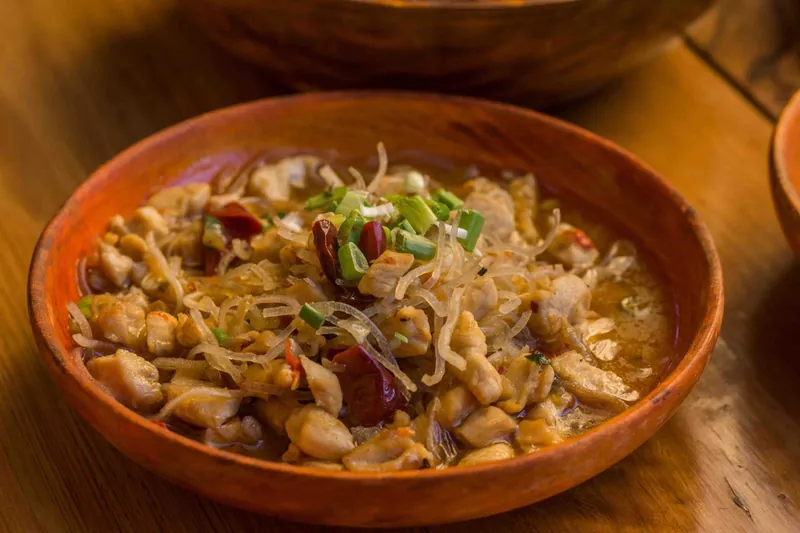
6. Phaksha Paa
Phaksha paa is a popular pork dish cooked with chillies and vegetables.
Depending on the recipe, you may find it prepared with ingredients such as radish, spinach or other seasonal vegetables.
Like many Bhutanese dishes, recipes vary from household to household, which means the version you try in Punakha may not be exactly the same as one served elsewhere.
Best for: Pork lovers and anyone who enjoys hearty flavours.
7. Shakam Datshi
Shakam refers to dried beef.
In shakam datshi, dried beef is cooked with cheese and chillies, creating a rich dish with the distinctive texture and flavour of preserved meat.
Drying meat has traditionally been an important method of preservation in Bhutan, particularly through the colder months.
Best for: Travellers interested in traditional Bhutanese preserved foods.
8. Sikam Paa
If you like pork belly, keep an eye out for sikam paa.
Sikam refers to dried pork belly, which is usually cooked with chillies and other ingredients.
The drying process gives the pork a concentrated flavour and distinctive texture.
It is a richer dish, so a little goes particularly well with rice and vegetable sides.
Best for: Pork lovers and adventurous eaters.
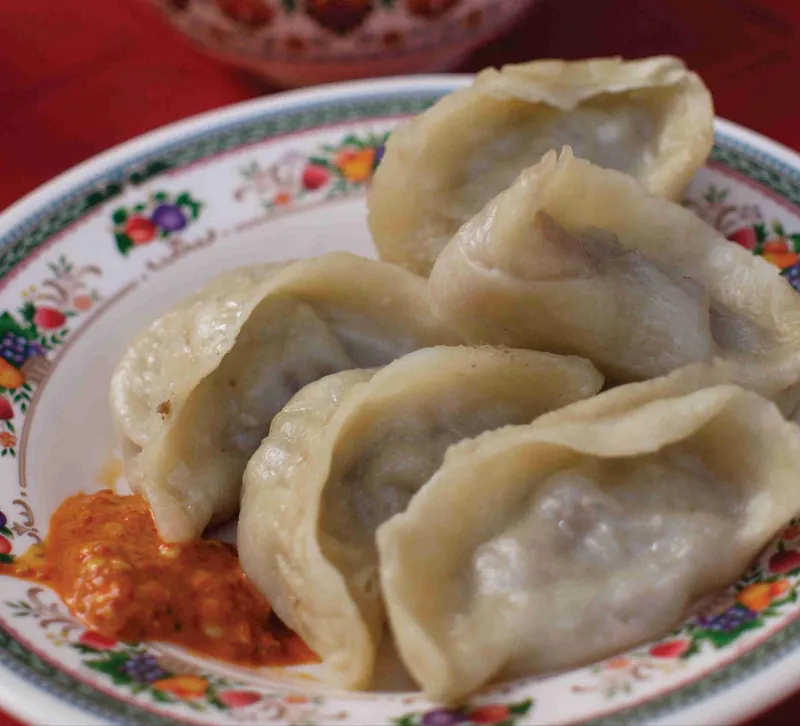
9. Momos
Momos are among the easiest Bhutanese foods for first time visitors to recognise.
These steamed or fried dumplings are found throughout the Himalayan region and are enormously popular in Bhutan.
Fillings vary and can include vegetables, cheese, beef, pork or chicken.
They are usually served with a spicy chilli sauce known as ezay.
You will find momos everywhere from local eateries to hotel menus, making them an easy snack between sightseeing stops.
Best for: Snacks, casual meals and almost everyone.
10. Hoentay
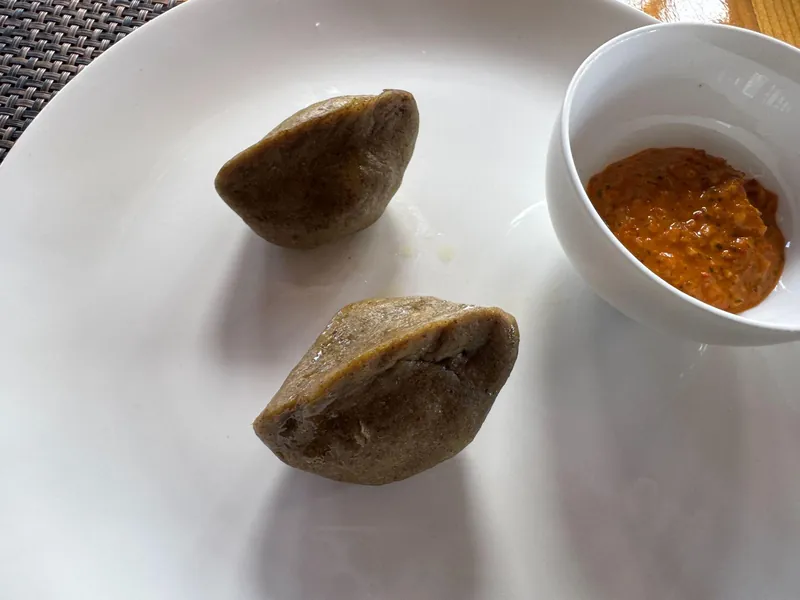
Hoentay is a dumpling traditionally associated with Haa Valley.
Unlike the momos you will encounter throughout Bhutan, hoentay is traditionally made using buckwheat dough and can be filled with ingredients such as turnip leaves, cheese and other local flavours.
If your itinerary includes Haa, this is one regional dish worth looking out for.
Best for: Travellers visiting Haa Valley and anyone interested in regional food.
11. Jaju
Jaju is a mild soup commonly made with leafy vegetables and milk or dairy ingredients.
After several meals of chilli heavy Bhutanese food, its gentler flavour can come as a welcome contrast.
It is commonly served as one of several dishes alongside rice.
Best for: A lighter accompaniment to a Bhutanese meal.
12. Ezay
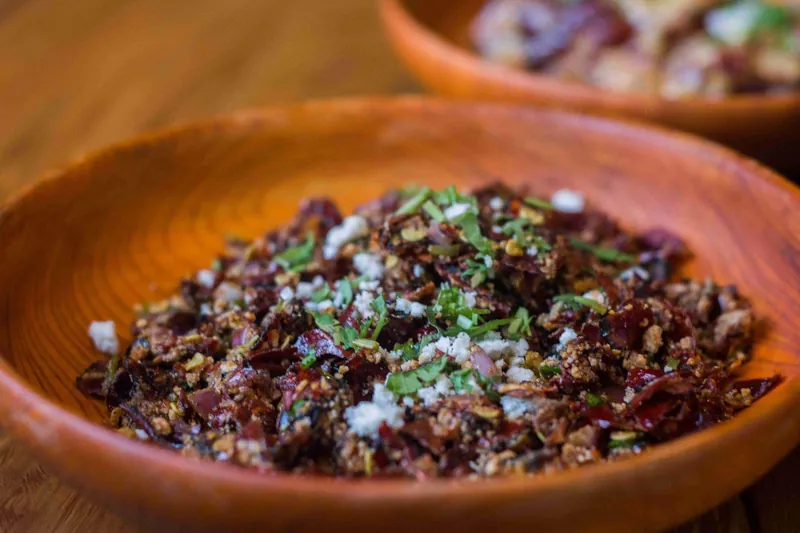
Ezay is not really a dish on its own, but no introduction to Bhutanese food would feel complete without it.
This fiery chilli condiment accompanies many meals and can be prepared in numerous ways.
You may encounter versions made with chillies, onion, tomato, cheese or other ingredients.
Every household seems to have its own preferred recipe.
If you enjoy spicy food, you may find yourself asking for more ezay by the end of your trip.
Best for: Chilli lovers.
13. Khur Le
Khur le is a traditional pancake commonly made using buckwheat or other grains.
It is particularly associated with regions such as Bumthang, where buckwheat has traditionally played a larger role in the local diet.
Khur le may be eaten with vegetable dishes, chilli condiments or other accompaniments.
If you travel into central Bhutan, make a point of trying it.
Best for: Breakfast and regional food experiences.
14. Puta
Another Bumthang speciality worth trying is puta, a traditional noodle dish made using buckwheat.
The noodles may be served with vegetables and seasonings, offering a noticeably different taste and texture from the rice based dishes you will encounter in western Bhutan.
Trying puta and khur le is one of the easiest ways to notice how Bhutanese food changes as you travel further east.
Best for: Food lovers visiting Bumthang.
15. Zow Shungo
Zow shungo is traditionally made by combining leftover rice and vegetables.
It is a simple example of how Bhutanese households make practical use of available food rather than wasting it.
The precise ingredients vary depending on what is available.
It may not appear on every restaurant menu, but it is an interesting dish to try if you encounter it during a homestay or more traditional meal.
Best for: Experiencing Bhutanese home cooking.
16. Lom
Lom consists of dried turnip leaves that can be preserved and used during seasons when fresh vegetables are less plentiful.
They may be cooked with meat, chilli or other ingredients depending on the household and region.
For travellers, lom provides an interesting glimpse into traditional methods of preserving food for Bhutan's colder months.
Best for: Travellers curious about traditional food preservation.
17. Goen Hogay
Goen hogay is a refreshing cucumber salad and provides a welcome contrast to Bhutan's heavier meat and cheese dishes.
It commonly combines cucumber with ingredients such as chilli, onion and cheese, with recipes varying between cooks.
Its fresh texture makes it particularly enjoyable alongside richer dishes.
Best for: A lighter side dish.
18. Goep
For adventurous eaters, goep is a traditional tripe dish.
Tripe is typically stir fried with chillies, onions and other seasonings.
Its chewy texture will not appeal to everyone, but it is worth trying if you enjoy discovering parts of a cuisine that go beyond the dishes commonly prepared for visitors.
Best for: Adventurous food lovers.
19. Juma
Juma is a traditional Bhutanese sausage made using meat and spices.
Recipes can vary, but it is generally rich and savoury and may be served as part of a meal or enjoyed in smaller portions.
Ask your guide if you are interested in trying it, as it may not appear on every tourist restaurant menu.
Best for: Travellers who enjoy traditional meat dishes.
20. Fresh Bhutanese Vegetables
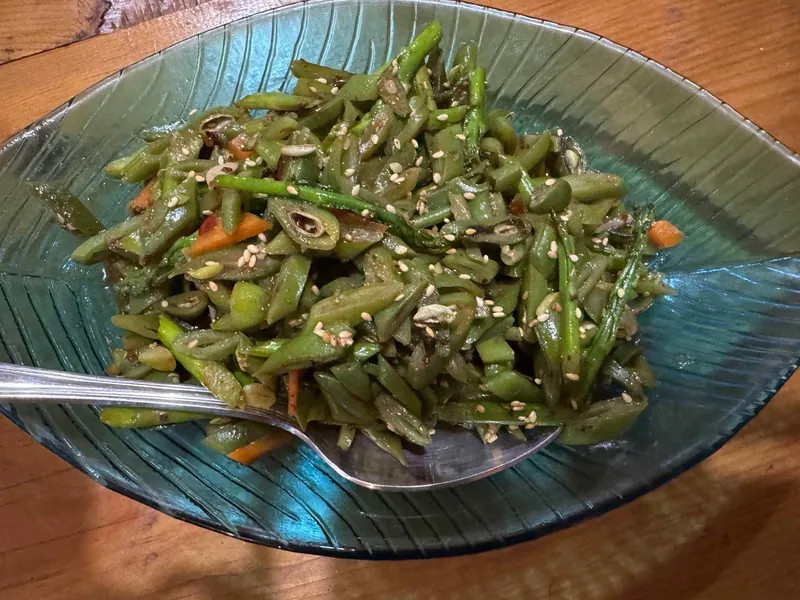
Fresh vegetables are an important part of everyday Bhutanese cooking and often taste especially good when they are simply prepared.
Depending on the season and region, you may encounter potatoes, radish, spinach, turnips, beans, pumpkin, cabbage, fiddlehead ferns, mushrooms and a wide variety of leafy greens.
Many meals include several vegetable dishes alongside rice, meat and cheese based dishes, so you will have plenty of opportunities to try local produce during your journey.
Markets are also worth visiting if you are interested in food. Seeing the chillies, vegetables, cheeses and other ingredients laid out together gives you a much better sense of what goes into a Bhutanese kitchen.
Seasonality matters, so the vegetables you encounter can change throughout the year and from one valley to another.
Best for: Vegetarians, seasonal food and experiencing everyday Bhutanese cuisine.
What Makes Bhutanese Cuisine Different?
Chillies Are a Main Ingredient
If you look around a Bhutanese vegetable market, you will quickly understand how central chillies are to local cuisine.
Fresh green and red chillies are widely used, while chillies can also be dried for later use.
One of the most recognisable sights when travelling through Bhutan is strings or piles of red chillies drying outside homes.
Rather than adding only a small amount for heat, many Bhutanese dishes use chilli as a principal vegetable.
This is why genuinely local versions of dishes can be considerably hotter than those prepared for international visitors.
Bhutanese People Love Cheese
The second ingredient you will quickly become familiar with is datshi, or cheese.
Ema datshi combines cheese with chillies.
Kewa datshi combines cheese with potatoes.
Shamu datshi combines cheese with mushrooms.
You may encounter numerous other combinations during your trip.
If you are vegan or avoid dairy products, it is therefore important to mention this in advance rather than simply asking for a vegetable dish.
Rice Is Central to the Meal
Rice is an important staple through much of Bhutan.
Both white and red rice are eaten, often accompanied by several vegetable and meat dishes shared around the table.
Do not be surprised if the portion of rice initially looks large. In a traditional meal, rice forms the base while the other dishes provide the accompanying flavours.
Regional Food in Bhutan
One of the joys of travelling beyond Paro and Thimphu is discovering that Bhutanese food is not identical across the country.
Paro and Thimphu
You will find the widest variety of restaurants here, ranging from traditional Bhutanese food to Indian, Tibetan, Chinese, Continental and contemporary café food.
These are also good places to try ema datshi, momos and other well known Bhutanese dishes in a setting accustomed to international travellers.
Punakha
The warmer climate of Punakha supports a wide range of agricultural produce.
Farmhouse meals can be particularly enjoyable here, especially when dishes make use of locally grown vegetables and rice.
Haa Valley
Look out for hoentay, the buckwheat dumplings traditionally associated with Haa.
Trying the dish in the valley itself gives you a much stronger connection to its origins.
Bumthang
Bumthang is one of the most interesting destinations for travellers who care about food.
Buckwheat has traditionally played an important role here, so dishes such as khur le pancakes and puta noodles offer a clear contrast to the rice heavy cuisine of western Bhutan.
Bumthang is also known for locally produced cheese and other foods that reflect the valley's agricultural traditions.
Vegetarian and Vegan Food in Bhutan
Vegetarian travellers generally have plenty to eat in Bhutan.
Kewa datshi, shamu datshi, vegetable momos, vegetable dishes, rice, buckwheat dishes and seasonal vegetables are commonly available.
The main thing to remember is that vegetarian does not necessarily mean vegan.
Cheese and butter feature extensively in Bhutanese cooking, including in dishes that otherwise appear to be vegetable based.
If you are vegan, tell your tour operator and guide before your trip. This gives hotels and restaurants time to plan appropriate meals rather than trying to adapt dishes at the last minute.
Travellers with allergies or other dietary requirements should do the same.
Bhutanese Drinks to Try
Food is only half of the experience.
There are several Bhutanese drinks worth trying during your journey.
Suja
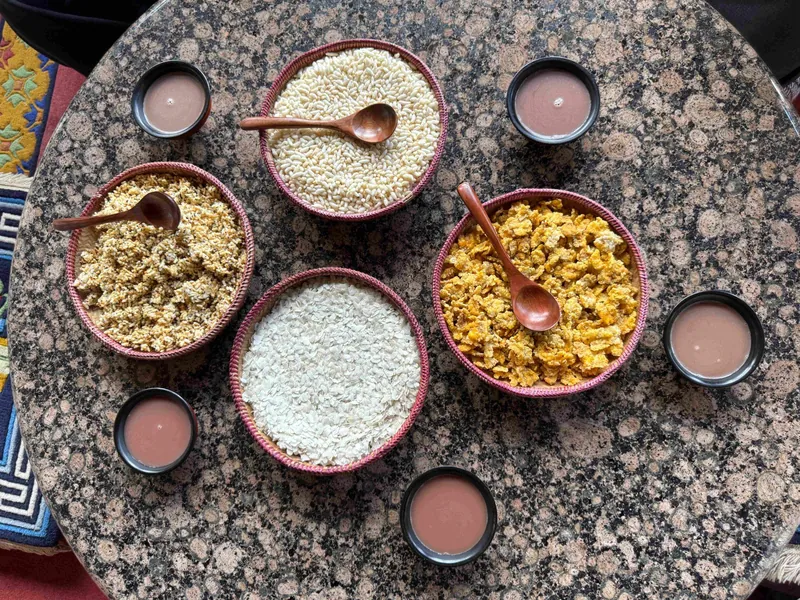
Suja is Bhutanese butter tea.
Unlike sweet milk tea, it has a salty, savoury flavour created from tea, butter and salt.
It can be surprising the first time you try it, particularly if you expect ordinary tea.
Suja is often associated with cold weather, gatherings and traditional hospitality and may be served with zaw, or roasted rice.
Even if it does not become your favourite drink, try it at least once.
Ngaja
If suja sounds a little adventurous, ngaja may be more familiar.
It is Bhutanese milk tea and is sweeter and closer to the style of milk tea many visitors already know.
You may encounter it at hotels, restaurants or during visits to Bhutanese homes.
Ara
Ara is a traditional alcoholic drink produced from grains such as rice, wheat, maize or barley, depending on the region and household.
Homemade versions can vary significantly in strength.
If you are offered ara during a farmhouse or village experience, try a small amount first.
Local Beer
Bhutan also has locally produced beer, with different brands available in restaurants, bars and hotels.
Beer can pair particularly well with spicy Bhutanese dishes.
Traditional Bhutanese Food Culture
Food provides one of the easiest ways to understand everyday Bhutanese culture.
Eating Together
Traditionally, meals were shared with family members sitting together, with dishes placed centrally.
Like many customs, dining habits have changed considerably with modern life, especially in urban Bhutan.
Today you will encounter everything from traditional farmhouse meals to contemporary restaurants, coffee shops and hotel dining.
Dapa and Bangchung
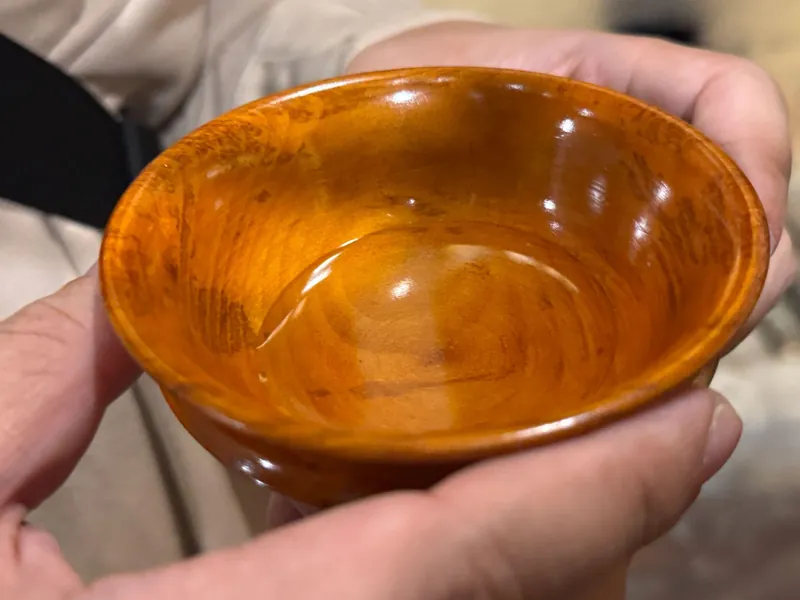
Before modern crockery became common, Bhutanese food was traditionally served in wooden bowls known as dapa.
You may still see them today, although they are now equally familiar as beautiful examples of Bhutanese craftsmanship.
Bangchung are woven bamboo containers traditionally used for rice and other foods.
Both make interesting souvenirs if you become fascinated by Bhutanese food culture during your journey.
Eating With Your Hands
Eating with the hands was traditionally common, particularly in homes.
Today cutlery is widely used in restaurants and urban households, so travellers do not need to worry about mastering a particular eating technique.
If you are invited to share a more traditional meal, follow the lead of your host and guide.
Dining Out in Bhutan
Food for travellers in Bhutan is much more varied than many people expect.
In Thimphu and Paro especially, you will find Bhutanese restaurants alongside cafés, pizzerias, Indian restaurants, Tibetan food, Chinese dishes and international options.
Hotels catering to visitors commonly offer a combination of Bhutanese and international food.
Some properties serve buffets, while higher end hotels increasingly offer refined interpretations of Bhutanese dishes using local and seasonal ingredients.
If you really want to understand Bhutanese cuisine, try to include at least one meal outside your hotel.
A farmhouse lunch, local restaurant or traditional Bhutanese cooking class can reveal much more about local food than eating every meal from an international hotel buffet.
Is Bhutanese Food Very Spicy?
Traditional Bhutanese food can be very spicy.
Chillies are used generously, particularly in dishes prepared primarily for Bhutanese diners.
That does notmean you need to spend your entire holiday struggling through fiery meals.
Restaurants and hotels accustomed to travellers can usually reduce the amount of chilli used. If you have a low spice tolerance, tell your guide at the beginning of your journey.
Do not assume that removing chilli from one dish means the whole meal will be mild either. Ezay and other condiments can be extremely spicy, so try a small amount first.
Food and Water Safety in Bhutan
Use the same sensible precautions you would take while travelling elsewhere.
Drink sealed bottled water or properly filtered or boiled water rather than untreated tap water.
If you are travelling with Druk Asia, you will be provided with a reusable water bottle and your guide can advise you about safe refill arrangements during the journey.
Hotels and established restaurants accustomed to travellers generally maintain good food preparation standards.
If you have allergies, intolerances or strict dietary requirements, communicate them clearly before travelling and remind your guide when necessary.
Frequently Asked Questions About Bhutanese Food
What is the national dish of Bhutan?
Ema datshi is widely regarded as Bhutan's national dish. It combines chillies with cheese and is usually eaten with rice.
Different households and restaurants prepare their own versions, so you may taste several variations during one trip.
What food is Bhutan famous for?
Bhutan is particularly famous for ema datshi, red rice, momos, kewa datshi, shamu datshi, phaksha paa, jasha maroo and dishes featuring dried meat.
Buckwheat dishes such as khur le and puta are particularly associated with central Bhutan.
Is Bhutanese food spicy?
Yes, traditional Bhutanese cuisine can be very spicy because chillies are often treated as a main ingredient rather than simply a seasoning.
Restaurants serving travellers can usually prepare milder versions, so tell your guide or restaurant if you prefer less chilli.
What should I eat on my first trip to Bhutan?
Start with ema datshi, red rice, momos, kewa datshi, shamu datshi, jasha maroo and phaksha paa.
If you travel to Haa, try hoentay. In Bumthang, look for buckwheat dishes such as khur le and puta.
Also try suja at least once, even if savoury butter tea sounds unusual at first.
Is Bhutanese food vegetarian friendly?
Yes. Bhutan has many vegetable based dishes, including kewa datshi, shamu datshi, ema datshi and vegetable momos.
However, cheese and butter are widely used, so vegan travellers should make their dietary requirements clear in advance.
Can vegans eat easily in Bhutan?
Vegan food can be arranged, although you need to be more careful because dairy products are common in traditional Bhutanese cooking.
Inform your tour operator before arrival so hotels and restaurants can prepare suitable meals.
What do Bhutanese people eat for breakfast?
Breakfast varies between households.
Rice, porridge, buckwheat pancakes, bread, eggs, vegetable dishes and tea may all be served. Suja with zaw is another traditional combination you may encounter.
Hotels catering to international travellers usually provide both Bhutanese and familiar international breakfast choices.
What is Bhutanese butter tea?
Bhutanese butter tea is known as suja.
It combines tea, butter and salt, giving it a creamy and savoury flavour. It is quite different from conventional sweet tea and is particularly warming in Bhutan's colder weather.
What is the difference between ema datshi, kewa datshi and shamu datshi?
The main difference is the primary ingredient.
Ema datshi is chilli and cheese.
Kewa datshi is potato and cheese.
Shamu datshi is mushroom and cheese.
All three demonstrate how important datshi, or cheese, is in Bhutanese cuisine.
What food should I try in Bumthang?
Bumthang is particularly known for buckwheat based dishes.
Look for khur le, a buckwheat pancake, and puta, buckwheat noodles.
The region also has strong agricultural traditions and is a good place to try locally produced cheese and other regional foods.
Can I find international food in Bhutan?
Yes, especially in Thimphu and Paro.
You will find restaurants serving Indian, Chinese, Tibetan and Continental food alongside cafés, bakeries and modern dining options.
Hotels catering to international travellers also commonly serve a mix of Bhutanese and international dishes.
Can I ask for less spicy food in Bhutan?
Absolutely.
Tell your guide or restaurant staff that you prefer mild food. Restaurants familiar with international visitors are generally accustomed to adjusting chilli levels.
It is still worth trying at least a small amount of authentic Bhutanese chilli if you can tolerate it.
Discover Bhutan Through Its Food
Bhutanese cuisine is not necessarily elaborate.
That is part of its charm.
A bowl of red rice, potatoes simmered with cheese, freshly prepared momos or a plate of buckwheat noodles can tell you something about the valley you are travelling through and the ingredients people have relied on for generations.
Try the famous dishes, but leave room for the unexpected ones too.
Ask your guide what they like to eat. Stop at a local restaurant. Visit a market. Try a farmhouse meal. Join a cooking class if you have time.
You may arrive in Bhutan thinking mostly about Tiger's Nest, dzongs and Himalayan scenery, but food often becomes one of the memories travellers take home with them.
Explore our Bhutan tour packages to start planning your journey, or speak with our Bhutan Travel Specialists about including local dining, farmhouse meals and culinary experiences in your itinerary.
