Nestled in the sweeping, glacial bowl of the Phobjikha Valley (Gangtey), the Black-Necked Crane Visitor Centre is a global model for community-based conservation. For travelers visiting Bhutan between late October and mid-March, this center offers a front-row seat to one of nature’s most elegant migrations: the arrival of the endangered "Heavenly Messengers” – the highly revered black-necked cranes.
Whether you are a serious birder, a nature lover, or a cultural traveler, this guide covers everything you need to know about the center, the cranes, and the surrounding Phobjikha Valley.
What is the Black-Necked Crane Visitor Centre?
The Black-Necked Crane Visitor Centre (managed by the Royal Society for Protection of Nature - RSPN) serves as the primary hub for education, observation, and conservation in the region. Situated on the edge of the wetlands, it provides a non-intrusive way to observe the cranes while educating visitors on the delicate balance between the valley's farming communities and its wildlife.
Key Highlights Inside the Centre:
High-Powered Spotting Scopes: The center features an observation room equipped with professional-grade telescopes. These allow you to view the cranes roosting in the wetlands hundreds of meters away without disturbing them.
"Karma" and “Pema” the Resident Cranes: Both Pema and Karma were found with severe wing injuries that prevented them from flying, leading to their placement in the protected aviary. They reside in an enclosure next to the main Visitor Centre in Phobjikha, a significant wintering ground for the species.
Educational Displays: The interior houses comprehensive exhibits on the crane’s migration path (from the Tibetan Plateau), their life cycle, and the flora and fauna of the Phobjikha conservation area.
Documentary Room: A small theater screens a short, touching documentary about the cranes and the valley's unique "coexistence" conservation model.
The "Heavenly Messengers"
In Bhutanese folklore, the Black-necked Crane (Grus nigricollis) is revered as Thrung Trung Karmo. They are symbols of longevity, peace, and prosperity.
The Migration: Every winter (late October to mid-March), hundreds of these birds fly over the Himalayas from the Tibetan Plateau to roost in the warmer wetlands of Phobjikha.
The Circumambulation: Local legend says the cranes circle the Gangtey Goempa (Monastery) three times clockwise upon arrival and departure—a gesture of spiritual respect that mirrors Buddhist circumambulation.
Conservation Status: The species is classified as Near Threatened. Bhutan is one of their most critical wintering grounds.
A Conservation Success Story: RSPN & The Valley
The center highlights a massive conservation victory. Years ago, the valley faced a dilemma: bringing electricity to the local villages required overhead power lines, which were deadly hazards for the flying cranes.
Through the efforts of the RSPN, the government and international donors agreed to bury the power cables underground. This was significantly more expensive but saved countless birds. Today, the center educates visitors on this unique trade-off where conservation and development met halfway.
The Annual Black-Necked Crane Festival
If you can time your trip, aim for November 11th. Every year, the Black-Necked Crane Festival is held in the courtyard of Gangtey Goempa to celebrate the birds' return.
Date: November 11 (Annually)
Location: Gangtey Goempa (overlooking the valley)
What to Expect: Mask dances (Tsechus), folk songs, and the famous Crane Dance performed by local school children dressed in black-and-white crane costumes. It is a spirited, local affair that generates awareness and funds for conservation.
Check out the Black-necked Crane Festival Tour
Practical Information for Visitors
Location & Getting There
The center is located in the Phobjikha Valley (Wangdue Phodrang district), roughly a 4.5 to 5-hour drive from Thimphu. The valley is a detour off the main east-west highway.
Opening Hours
Entry Fees (2025/2026 Estimates)
Best Time to Visit Gangtey
For Cranes: Late October to Mid-February is peak season. December and January are the coldest months but offer the highest crane numbers.
For Weather: October and November offer crisp, clear skies (perfect for photography).
Beyond the Centre: The Gangtey Nature Trail
After visiting the center, do not miss the Gangtey Nature Trail.
Route: It starts from the Gangtey Monastery, winds through pine forests and local villages (Semchubara), and ends near the Black-Necked Crane Visitor Centre.
Duration: 1.5 to 2 hours (Easy/Moderate).
Why do it: It puts the view from the telescope into perspective, allowing you to walk the perimeter of the roosting grounds (at a safe distance).
Popular Itineraries that Covers Gangtey/Phobjikha Valley
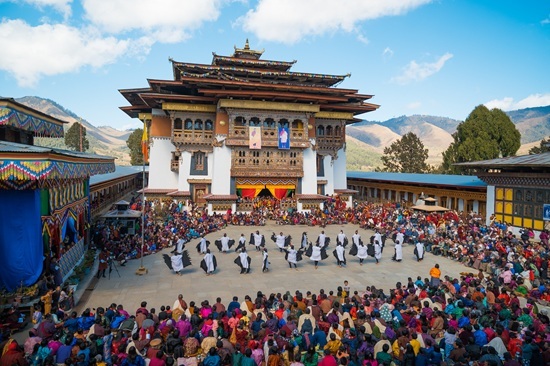 9 Day Black-Necked Crane Festival
Every year, as temperatures begin to dip and winter approaches, the people of Phobjikha Valley await a deeply cherished moment—the return of the black-necked cranes.
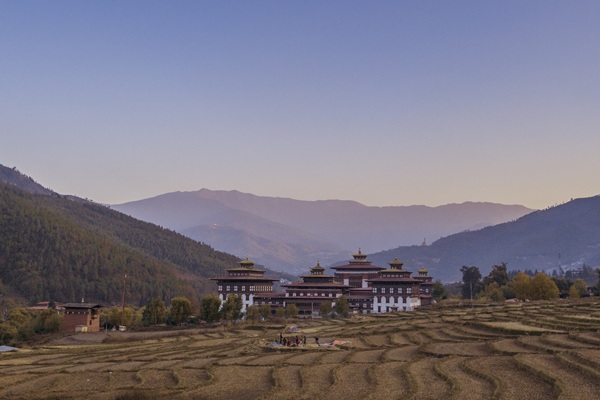 10 Day Discover Bhutan Travel Plan
Our 10‑Day Discover Bhutan Cultural Tour is a carefully crafted journey through emerald valleys, ancient temples and the timeless rhythms of village life.
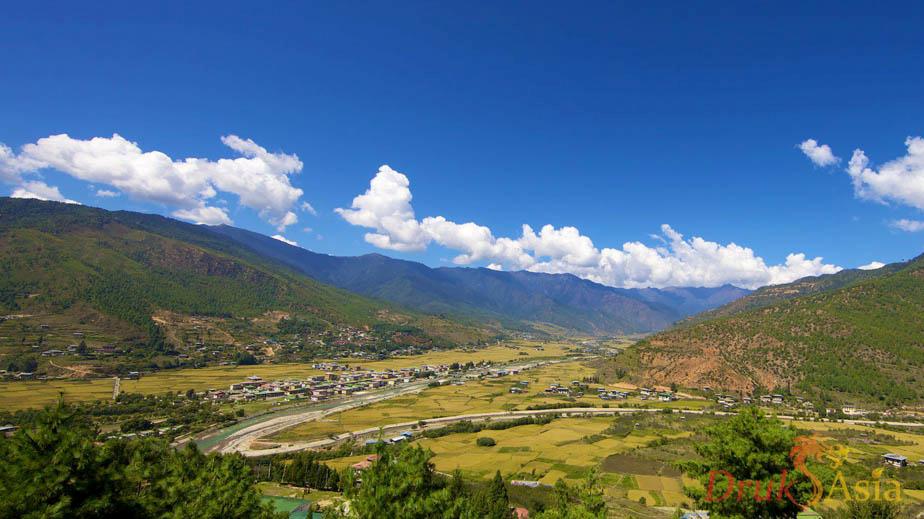 11 Day Cultural Tour Travel Plan
Embark on a once-in-a-lifetime journey through the enchanting kingdom of Bhutan, where ancient monasteries cling to misty cliffs, valleys echo with the chants of monks, and prayer flags flutter in the Himalayan breeze.