 Druk Asia
If you’ve ever admired the delicate murals in a Bhutanese temple or the vibrant weavings that make up a kira, you’ve already encountered the spirit of Zorig Chusum—the 13 traditional arts of Bhutan. The Institute of Zorig Chusum, with campuses in Thimphu and Trashiyangtse, is where these ancient skills are preserved, practised, and passed on to the next generation. Known locally as “the School of the 13 Arts,” it offers visitors a rare opportunity to witness Bhutan’s intangible heritage in action.
What You’ll Experience as a Visitor
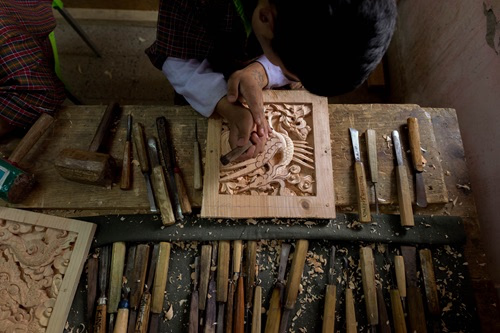
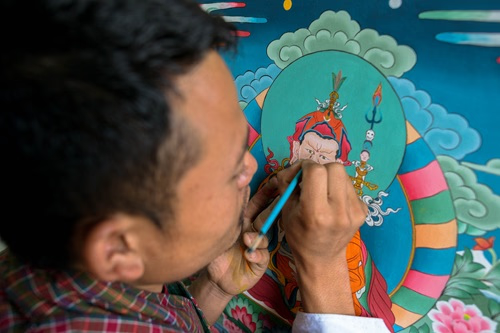
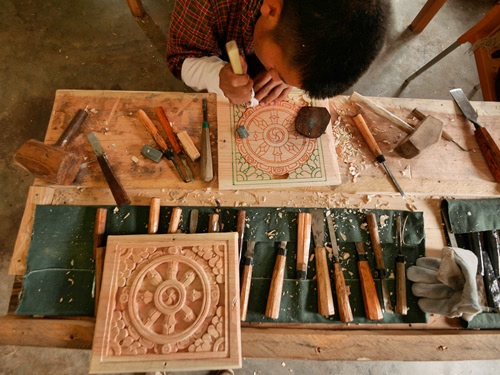
A visit here is a glimpse into real classrooms and workshops. You’ll step quietly into rooms where students, often in multi-year training programmes, are deeply immersed in their craft. In one corner, apprentices trace sacred grids for thangka paintings, while in another, seniors gild delicate lotus motifs with gold leaf. You might observe weaving on traditional looms, woodturning bowls for butter lamps, or carving auspicious designs into slate. Each class is a living testimony to how Bhutan keeps its culture alive.
The 13 Traditional Arts at a Glance
The term “Zorig Chusum” literally means “thirteen crafts.” Each is vital to Bhutanese daily life, religion, and aesthetics:
Shingzo – Carpentry
Dozo – Masonry/stonework
Parzo – Carving (wood, slate, bone)
Jinzo – Clay sculpture
Lhazo – Painting and thangka art
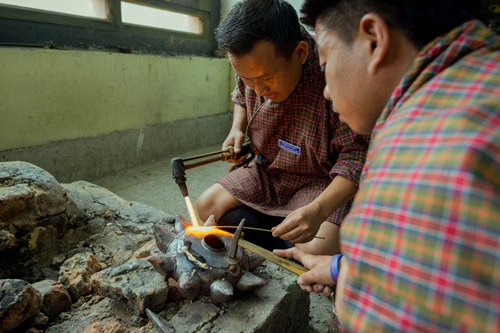
Lugzo – Bronze casting
Garzo – Blacksmithing
Troezo – Gold- and silversmithing
Thagzo – Weaving
Tshemzo – Embroidery and tailoring
Tsharzo – Bamboo and cane work
Dezo – Papermaking
Shagzo – Woodturning
During a typical visit, you’ll see a selection of four to six disciplines in action, depending on the academic schedule.
Why Visit Institute of Zorig Chusum
More than just crafts, the Zorig Chusum embodies Bhutan’s values—harmony, symbolism, and devotion. From the carved cornices of dzongs to the vibrant brocades worn at festivals, these arts shape Bhutan’s identity. Supporting the Institute by visiting or purchasing student work helps ensure that young artisans see this path as a viable, respected career, keeping traditions alive for generations to come.
Practical Tips for Travellers
When to Visit: Weekdays are best, when classes are in full swing. Public holidays and festival days are less ideal.
Duration: Plan at least 45 minutes to an hour, more if you’re keen on photography or art.
Photography Etiquette: Always ask before taking portraits or photographing unfinished sacred pieces. Detailed shots of hands at work are usually welcomed.
Purchasing Art: The Institute’s showroom offers student work such as thangkas, carved panels, and turned bowls. Buying here directly supports the students.
Combine with Other Cultural Highlights
In Thimphu, pair your visit with Simply Bhutan, or the Folk Heritage Museum for a full day of culture. In Trashiyangtse, the campus visit is beautifully complemented by a trip to Chorten Kora and local bamboo craft workshops.
A Journey Beyond Sightseeing
The Institute of Zorig Chusum is a chance to witness living Bhutanese heritage. You’ll leave with a deeper appreciation of how art, spirituality, and daily life are intertwined in Bhutan, and perhaps even a handcrafted treasure that carries the soul of the Himalayas back home with you.
