 Druk Asia

Bhutan's weather varies considerably depending on the season, altitude and region you visit. Located in the eastern Himalayas, Bhutan experiences everything from warm, humid conditions in its southern foothills to cool temperate valleys and freezing alpine temperatures in the high mountains.
Spring (March to May) and autumn (September to November) generally offer the most comfortable weather for sightseeing and outdoor activities. Summer brings warmer temperatures and monsoon rainfall, while winter is colder and often drier, particularly in western Bhutan.
However, the weather in Paro can be very different from the weather in Punakha on the same day. Understanding these regional differences will help you plan a more comfortable journey.
What Is the Weather Like in Bhutan?
Bhutan experiences four distinct seasons, although their characteristics vary across the country.
In the central and western valleys, including Paro and Thimphu, spring and autumn generally bring comfortable daytime temperatures. Summer is warmer and wetter, while winter brings cold mornings, chilly nights and often sunny afternoons.
Lower-altitude destinations such as Punakha tend to be warmer throughout the year. Higher-altitude areas, including Gangtey, Bumthang and mountain passes, can be significantly colder.
The most important thing to understand is that Bhutan does not have one uniform national weather pattern.
Your actual experience depends on the destinations and elevations included in your itinerary.
Bhutan Average Temperatures by Month
Bhutan's temperatures vary significantly depending on the time of year and the altitude of each destination. While lower-altitude valleys such as Punakha and Wangdue experience warmer conditions, higher-altitude destinations such as Paro, Thimphu and Bumthang generally have cooler temperatures, particularly during winter.
January is among the coldest months in Bhutan, while June to August generally bring the warmest temperatures. However, the temperature difference between destinations can be substantial, even during the same month.
For example, in January, Punakha has an average daytime high of 16°C, compared with 9°C in Paro. In July, Punakha reaches approximately 32°C, while Paro averages around 26°C.
The table below provides a month-by-month breakdown of average high and low temperatures across eight major destinations in Bhutan. Use it to understand what temperatures to expect when planning your itinerary, especially if you are visiting several regions.
Climate and Temperatures in Bhutan
|
Jan
|
Feb
|
Mar
|
Apr
|
May
|
Jun
|
Jul
|
Aug
|
Sep
|
Oct
|
Nov
|
Dec
|
||||||||||||||
|---|---|---|---|---|---|---|---|---|---|---|---|---|---|---|---|---|---|---|---|---|---|---|---|---|---|
| District | Elevation (m) | Hi | Lo | Hi | Lo | Hi | Lo | Hi | Lo | Hi | Lo | Hi | Lo | Hi | Lo | Hi | Lo | Hi | Lo | Hi | Lo | Hi | Lo | Hi | Lo |
| Paro | 2,280 | 9 | -5 | 13 | 1 | 14 | 0 | 17 | 4 | 23 | 10 | 25 | 14 | 26 | 14 | 25 | 14 | 23 | 11 | 18 | 7 | 13 | 1 | 11 | -1 |
| Thimphu | 2,320 | 12 | -2 | 14 | 0 | 16 | 3 | 20 | 7 | 22 | 13 | 24 | 15 | 28 | 13 | 25 | 15 | 23 | 15 | 21 | 10 | 17 | 5 | 14 | -1 |
| Punakha | 1,300 | 16 | 4 | 19 | 5 | 21 | 9 | 24 | 11 | 27 | 14 | 31 | 19 | 32 | 21 | 31 | 19 | 29 | 20 | 27 | 18 | 22 | 13 | 15 | 7 |
| Wangdue | 1,350 | 17 | 4 | 19 | 7 | 22 | 10 | 26 | 12 | 29 | 17 | 29 | 20 | 28 | 16 | 29 | 20 | 27 | 19 | 26 | 14 | 22 | 9 | 19 | 6 |
| Trongsa | 2,316 | 13 | -0 | 13 | 0 | 16 | 4 | 20 | 6 | 21 | 11 | 22 | 13 | 25 | 15 | 23 | 15 | 22 | 14 | 21 | 11 | 19 | 6 | 18 | 2 |
| Bumthang | 2,600 | 10 | -5 | 10 | -1 | 16 | 3 | 18 | 3 | 21 | 9 | 22 | 9 | 24 | 10 | 23 | 13 | 21 | 12 | 19 | 5 | 16 | -0 | 12 | -2 |
| Mongar | 1,830 | 15 | 8 | 15 | 8 | 20 | 11 | 22 | 14 | 25 | 17 | 26 | 19 | 16 | 15 | 25 | 19 | 24 | 19 | 22 | 15 | 19 | 11 | 15 | 9 |
| Trashigang | 1,150 | 20 | 10 | 21 | 11 | 24 | 14 | 28 | 17 | 30 | 20 | 30 | 22 | 31 | 23 | 30 | 22 | 30 | 23 | 29 | 17 | 26 | 13 | 23 | 11 |
Source: Royal Bhutan Airlines
Understanding Temperature Differences Across Bhutan
Bhutan's mountainous geography creates noticeable temperature differences between destinations, even when they are only a few hours apart.
Paro and Thimphu: Situated at elevations above 2,200 metres, both destinations experience relatively mild summers and cold winters. Morning and evening temperatures can be considerably lower than daytime temperatures, particularly between November and February.
Punakha and Wangdue: Located at lower elevations, these valleys are generally warmer throughout the year. During summer, daytime temperatures can exceed 30°C, while winter conditions are considerably milder than in Paro or Thimphu.
Trongsa and Bumthang: These central Bhutan destinations experience cooler conditions, particularly during winter. Bumthang, at approximately 2,600 metres, can experience freezing overnight temperatures.
Mongar and Trashigang: Located in eastern Bhutan, these destinations generally experience warmer conditions than the higher western and central valleys, although temperatures vary with elevation and season.
Because many Bhutan tours include several destinations at different elevations, packing layers is essential throughout the year. You may experience a warm afternoon in Punakha followed by a significantly colder morning in Thimphu or Paro.
Bhutan Weather at a Glance
| Season | Months | Typical Weather | What to Expect |
| Spring | March–May | Mild to warm, occasional rain | Flowering landscapes and comfortable sightseeing |
| Summer | June–August | Warm, humid and rainy | Lush valleys, waterfalls and cloudy mountain views |
| Autumn | September–November | Increasingly dry and cool | Clearer skies and comfortable walking conditions |
| Winter | December–February | Cold, often dry | Chilly mornings, sunny afternoons and occasional snow |
These are general seasonal patterns rather than forecasts. Conditions can differ considerably between regions and elevations.
For a more detailed comparison, explore our Bhutan weather by month guide.
Average Temperatures in Bhutan
Temperatures in Bhutan depend heavily on altitude.
For example, Punakha sits at a considerably lower elevation than Thimphu, so it is generally warmer during both summer and winter.
The following table provides a broad comparison of conditions rather than numerical monthly averages.
| Destination | Approximate elevation | Summer conditions | Winter conditions |
| Paro | 2,200 m | Mild to warm | Cold mornings and nights |
| Thimphu | 2,300 m | Mild to warm | Cold, especially overnight |
| Punakha | 1,200 m | Warm to hot | Relatively mild |
| Gangtey | 2,900 m | Cool to mild | Very cold |
| Bumthang | 2,600 m | Mild | Cold, with freezing nights possible |
Weather in Paro
Paro experiences relatively cool winters and pleasant spring and autumn conditions.
Summer brings warmer temperatures and increased rainfall, while winter mornings can be particularly cold.
Because Paro is home to Bhutan's international airport and Tiger's Nest Monastery, its weather is especially relevant to travellers planning arrival days and outdoor activities.
The hike to Tiger's Nest can be undertaken during much of the year, but rain, snow, ice or poor visibility may affect trail conditions.
Weather in Thimphu
Thimphu experiences a temperate mountain climate.
Spring and autumn generally provide comfortable conditions for exploring the capital's monasteries, museums and cultural attractions.
Summer is relatively mild compared with lower-altitude destinations, although rainfall and cloud cover increase during the monsoon.
Winter brings cold nights and mornings, with occasional snowfall.
Weather in Punakha
Punakha is one of the warmer destinations commonly included in Bhutan cultural tours.
Its lower elevation means winter conditions are generally milder than in Paro or Thimphu.
Spring can be particularly pleasant, while summer afternoons may feel hot and humid.
Travellers visiting Punakha should prepare for warmer conditions even when the rest of their itinerary includes cool mountain valleys.
Weather in Gangtey and Phobjikha Valley
Gangtey and Phobjikha Valley experience cooler conditions because of their higher elevation.
Even during spring and autumn, evenings can be cold.
Winter can bring freezing temperatures, frost and occasional snowfall.
Visitors travelling to Phobjikha between approximately November and February may also have opportunities to observe black-necked cranes during their winter migration.
Weather in Bumthang
Bumthang experiences cool summers and cold winters.
Its valleys sit at higher elevations than Punakha, making warm clothing useful even during the more comfortable travel months.
Spring and autumn generally provide suitable conditions for visiting temples, villages and cultural sites, while winter requires additional preparation for freezing temperatures.
Bhutan Weather by Season
Spring Weather in Bhutan: March to Maya
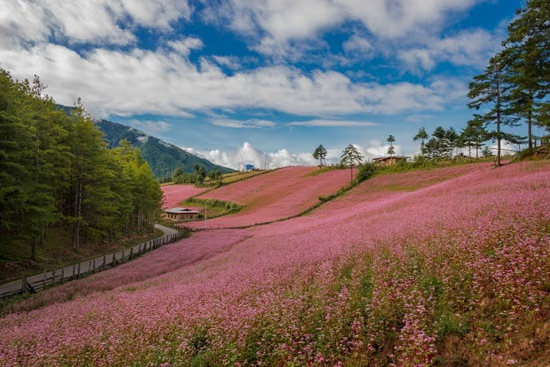
Spring brings gradually rising temperatures and increasingly green landscapes.
Flowers begin appearing across the valleys, while rhododendrons bloom at different elevations as temperatures warm.
March can still feel cold in the mornings, particularly in Paro and Thimphu. April generally brings more comfortable conditions, while May becomes warmer and may experience more frequent showers.
Spring is suitable for sightseeing and many outdoor activities, although mountain weather remains changeable.
Summer Weather in Bhutan: June to August
Summer overlaps with Bhutan's main monsoon period.
Rainfall becomes more frequent, particularly in southern Bhutan and areas exposed to moist monsoon winds.
The landscape becomes exceptionally green, with full rivers, waterfalls and rice terraces.
However, cloud cover can reduce mountain visibility, and heavy rain may affect roads and hiking trails.
Rain does not necessarily fall continuously throughout every day, but travellers should allow flexibility.
Autumn Weather in Bhutan: September to November
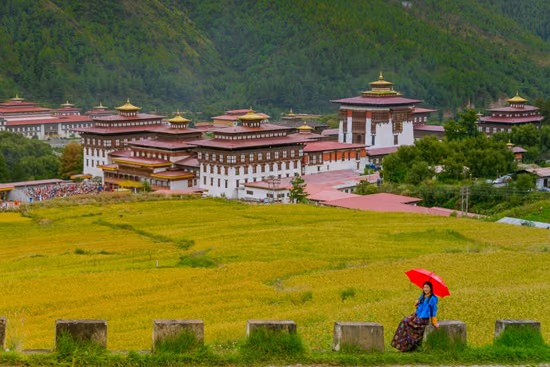
Autumn brings a gradual transition from the wet summer months to cooler, drier conditions.
September can still experience substantial rainfall, particularly early in the month.
October and November generally offer improved mountain visibility and more stable conditions for sightseeing.
Temperatures begin falling toward winter, especially during the evenings and at higher elevations.
Winter Weather in Bhutan: December to February
Winter is generally colder and drier across many of Bhutan's western and central valleys.
Paro and Thimphu can experience freezing overnight temperatures, while Punakha is usually milder.
Higher mountain passes may receive snowfall, and frost or ice can affect exposed roads and walking trails.
Clear winter skies can provide excellent mountain visibility, although this is never guaranteed.
When Is Bhutan's Rainy Season?
Bhutan's rainy season generally extends from June through September, with the strongest monsoon influence often occurring during July and August. Rainfall varies significantly across the country.
Southern Bhutan receives considerably more precipitation than many northern mountain areas, while central valleys experience their own local weather patterns.
During the rainy season, travellers may encounter:
Afternoon or overnight showers.
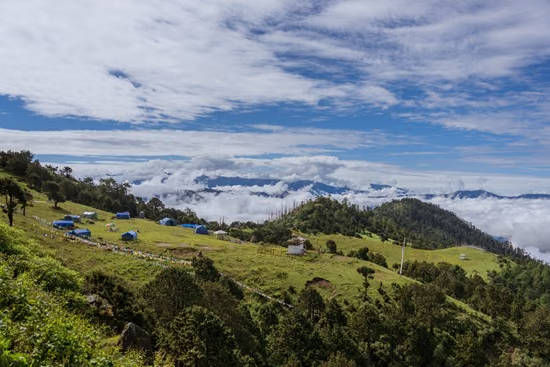
Mist and low cloud cover.
Muddy hiking trails.
Reduced Himalayan visibility.
Occasional road delays following heavy rainfall.
Cultural sightseeing remains possible during the monsoon, but demanding high-altitude treks are generally better scheduled outside the wettest months.
Does It Snow in Bhutan?
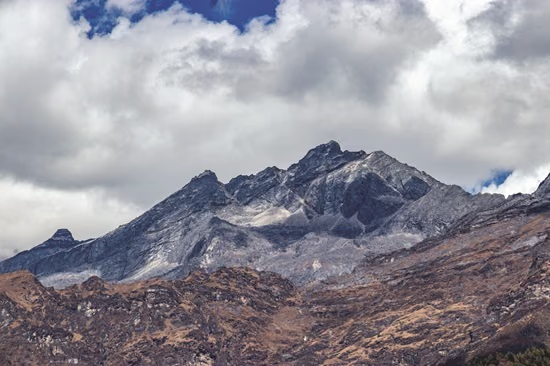
Yes, Bhutan experiences snowfall, particularly in the northern Himalayas and at higher elevations.
Snow is most likely during winter, although the timing and amount vary considerably from year to year.
Mountain passes such as Dochula may receive snowfall, while Paro and Thimphu occasionally experience snow during colder weather systems. However, snowfall in Bhutan's main cultural valleys is not guaranteed.
Travellers hoping to see snow should distinguish between visiting snow-covered mountain landscapes and experiencing active snowfall.
The former is often possible from suitable viewpoints during clear weather, while the latter is unpredictable.
How Altitude Affects Bhutan's Weather
Altitude is one of the most important factors influencing Bhutan's weather.
Temperatures generally decrease as elevation increases, although local topography, cloud cover and wind can modify conditions.
This means you may experience warm weather in Punakha and considerably cooler temperatures when travelling across Dochula Pass on the same day.
Bhutan's valleys and mountains also create local differences in rainfall, sunshine and wind.
For a deeper explanation of these geographical influences, read our guide to Bhutan's climate zones.
What to Pack for Bhutan's Weather
Regardless of the month, layering is the most practical approach to dressing for Bhutan.
A typical cultural journey includes valleys, mountain roads, monasteries and outdoor viewpoints, where temperatures can change throughout the day.
Spring: Pack light layers, a warm jacket for evenings, comfortable walking shoes and a waterproof outer layer.
Summer: Bring breathable clothing, a reliable rain jacket, quick-drying trousers and footwear suitable for wet conditions.
Autumn: Pack comfortable daytime clothing, warm layers for evenings and a wind-resistant jacket for mountain passes.
Winter: Bring thermal layers, a warm insulated jacket, gloves and suitable footwear for cold mornings.
Sun protection is useful throughout the year because ultraviolet exposure can be strong at higher elevations.
Plan Your Bhutan Trip Around the Weather
Bhutan can be visited throughout the year, but the most suitable itinerary depends on your travel dates and preferred experiences.
For example, a winter journey may benefit from additional time in warmer valleys such as Punakha, while a summer itinerary may require flexibility around outdoor activities.
If you are still deciding when to travel, explore our Best Time to Visit Bhutan guide.
You can also browse our Bhutan tour packages or contact Druk Asia to plan an itinerary that suits the season.
Frequently Asked Questions About Bhutan Weather
Is Bhutan cold throughout the year?
No. Bhutan experiences considerable seasonal and regional temperature differences. Lower-altitude destinations such as Punakha can be warm or hot during summer, while higher-altitude valleys and mountain regions remain cooler.
What is the hottest month in Bhutan?
July and August are among the warmest months in many parts of Bhutan, although the hottest period varies by destination. Lower-altitude regions generally experience higher temperatures than Paro, Thimphu and the mountain valleys.
What is the coldest month in Bhutan?
January is generally among the coldest months, particularly in Paro, Thimphu, Bumthang and higher-altitude regions. Overnight temperatures can fall below freezing.
Does it rain every day in Bhutan during the monsoon?
Not necessarily. Rainfall patterns vary by region and weather system. Some days include sunshine followed by showers, while other periods may experience prolonged rainfall.
Is Punakha warmer than Thimphu?
Yes. Punakha is situated at a substantially lower elevation than Thimphu and generally experiences warmer temperatures throughout the year.
Does Bhutan experience extreme weather?
Bhutan can experience heavy monsoon rainfall, landslides, winter snowfall and occasional severe mountain weather. Travellers should check current conditions and follow local guidance, particularly when travelling through mountain passes or undertaking treks.
Is Bhutan's weather predictable?
Seasonal patterns are reasonably consistent, but daily conditions can change quickly because of the country's mountainous terrain. Travellers should prepare for temperature differences, showers and changing visibility.
