 Druk Asia

Bhutan's weather changes throughout the year, from cold and relatively dry winter conditions to warm, rainy summer months and cooler autumn days.
January and February are generally among the coldest months, July and August fall within the main monsoon period, and October and November often bring clearer, drier conditions.
However, monthly weather varies significantly between destinations. Punakha is generally warmer than Paro and Thimphu, while higher-altitude locations such as Gangtey and Bumthang experience colder conditions.
This guide compares Bhutan's weather across all 12 months so you can understand seasonal differences before exploring a detailed monthly guide.
Bhutan Monthly Weather at a Glance
| Month | Season | Temperature trend | Rainfall pattern | Typical conditions |
| January | Winter | Cold | Generally low | Cold mornings, often sunny days |
| February | Winter | Cold, gradually warming | Generally low | Cool and relatively dry |
| March | Spring | Warm | Increasing gradually | Mild afternoons, cool evenings |
| April | Spring | Mild to warm | Occasional showers | Comfortable spring conditions |
| May | Spring | Warm | Increasing | Greener landscapes, more humidity |
| June | Summer | Warm | Frequent rain | Monsoon conditions developing |
| July | Summer | Warm | High | Wet, humid and cloudy |
| August | Summer | Warm | High | Continued monsoon rainfall |
| September | Autumn | Mild to warm | High | Continued monsoon rainfall |
| October | Autumn | Mild | Generally lower | Cooler and often clearer |
| November | Autumn | Cool | Generally low | Dry conditions and cold evenings |
| December | Winter | Cool | Generally low | Chilly mornings and often clear skies |
Bhutan Weather in January
January is one of Bhutan's coldest months.
Paro, Thimphu and Bumthang experience cold mornings and nights, while Punakha is generally milder.
Rainfall is often limited in western and central valleys, although snow is possible at higher elevations.
Clear winter days can provide good mountain visibility.
Read more: Bhutan Weather in January


Bhutan Weather in February
February remains cold, particularly during the first half of the month.
Daytime temperatures gradually rise as winter approaches its end.
Many western valleys remain relatively dry, although occasional winter precipitation and mountain snowfall are possible.
Read more: Bhutan Weather in February
Bhutan Weather in March
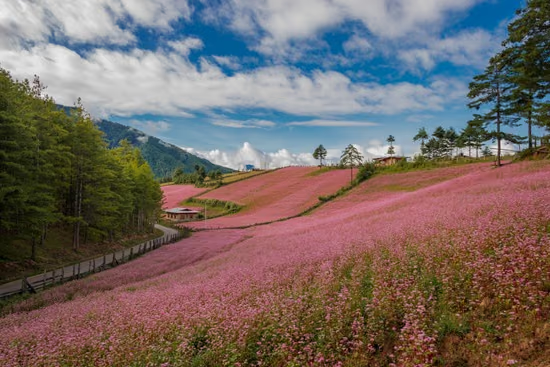
March marks the beginning of spring.
Temperatures become more comfortable during the day, although mornings and evenings can remain cold.
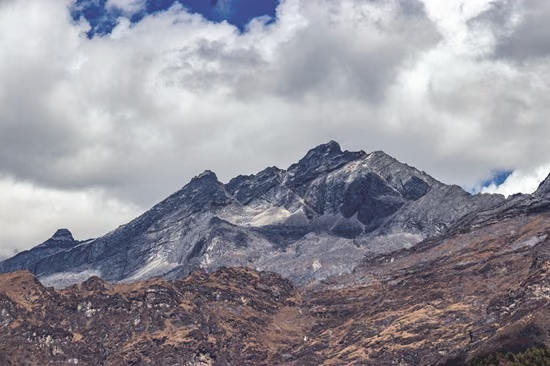
Flowers begin appearing at lower elevations, while higher areas may still experience winter-like conditions.
Read more: Bhutan Weather in March


Bhutan Weather in April
April brings established spring conditions.
Temperatures are generally mild to warm in Bhutan's main cultural valleys.
Rhododendrons and other flowers appear across suitable elevations, while occasional rain showers become more common.
Read more: Bhutan Weather in April


Bhutan Weather in May
May is one of the warmer spring months.
Valleys become increasingly green, and daytime temperatures rise.
Humidity and rainfall generally increase as the summer monsoon approaches, particularly toward the end of the month.
Read more: Bhutan Weather in May


Bhutan Weather in June
June marks the transition toward Bhutan's wetter summer period.
Temperatures are warm in many valleys, and rainfall becomes more frequent.
Cloud cover increases, particularly in areas influenced by monsoon moisture.
Read more: Bhutan Weather in June
Bhutan Weather in July
July falls within Bhutan's main monsoon season.
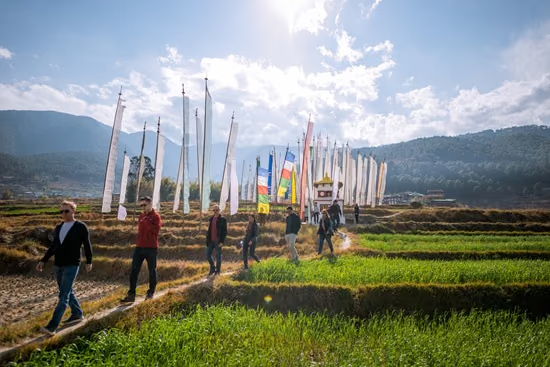
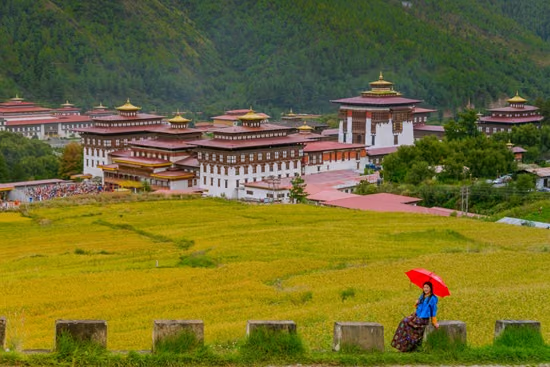
Frequent rainfall supports lush forests, green rice terraces and powerful waterfalls.
Cloud cover can reduce mountain visibility, and heavy rain may affect outdoor activities and road conditions.
Read more: Bhutan Weather in July


Bhutan Weather in August
August remains warm and wet across much of Bhutan.
The landscape is generally very green, while humidity, rain and cloud cover continue.
Weather conditions may become more variable toward the end of the month, but the monsoon remains an important influence.
Read more: Bhutan Weather in August


Bhutan Weather in September
September is a transitional month between the monsoon and autumn.
Rainfall generally decreases as the month progresses, although wet conditions can continue.
Valleys remain green, and clearer weather becomes more frequent as the monsoon retreats.
Read more: Bhutan Weather in September

Bhutan Weather in October
October generally brings cooler, drier conditions.
Mountain visibility often improves compared with the summer months.
Daytime temperatures are usually comfortable for walking in the main valleys, while evenings become cooler.
Read more: Bhutan Weather in October


Bhutan Weather in November
November is generally cool and relatively dry.
Clearer skies can provide good Himalayan visibility, although mornings and nights become increasingly cold.
Higher-altitude destinations may experience frost and freezing temperatures.
Read more: Bhutan Weather in November


Bhutan Weather in December
December marks the beginning of winter.
Paro, Thimphu and higher-altitude valleys experience cold mornings and nights.
Rainfall is often limited, while snowfall becomes possible at higher elevations and mountain passes.
Read more: Bhutan Weather in December


Comparing Bhutan's Wettest and Driest Months
July and August generally fall within Bhutan's wettest period, although exact rainfall totals depend on location.
December, January and February are usually relatively dry in many western and central valleys.
The contrast is especially noticeable in landscapes.
Summer brings lush greenery and increased river flows, while winter often provides clearer skies and drier walking conditions.
For more information about rainfall and regional differences, explore our Bhutan weather guide.
Comparing Bhutan's Warmest and Coldest Months
Bhutan's warmer period generally extends from late spring through summer.
May, June, July and August bring relatively high daytime temperatures in many valleys, although the wettest months can also be cloudy.
December, January and February are the coldest months in much of the country.
Temperature differences are particularly noticeable at higher elevations.
Punakha remains warmer than Paro and Thimphu throughout much of the year.
How to Use This Monthly Weather Guide
If you already know your intended travel month, select the relevant guide above for detailed information about conditions, clothing, sightseeing and outdoor activities.
If you are comparing travel dates based on festivals, trekking, photography or other experiences, read our Best Time to Visit Bhutan guide.
For travellers planning a multi-destination itinerary, remember that local weather can differ considerably between valleys and mountain passes.
Frequently Asked Questions About Bhutan's Monthly Weather
Which months are the coldest in Bhutan?
December, January and February are generally the coldest months, particularly in Paro, Thimphu, Bumthang and higher-altitude areas.
Which months receive the most rainfall in Bhutan?
July and August are generally among the wettest months because they fall within the main summer monsoon period. Rainfall varies considerably by region.
When does Bhutan's weather start getting warmer?
Temperatures generally begin rising during February and March, with more noticeable spring warmth developing through April and May.
When does Bhutan's weather start getting colder?
Temperatures generally begin decreasing during autumn, with cooler conditions becoming more noticeable in October and November.
Is Bhutan's weather the same every month across all destinations?
No. Temperature, rainfall and snowfall differ by elevation and geography. Punakha is generally warmer than Paro and Thimphu, while higher-altitude areas are colder.
Which months generally have clearer skies in Bhutan?
October through February often bring relatively clear conditions in many western and central valleys, although cloud cover and visibility vary from day to day.
