 Druk Asia
January is the heart of winter in Bhutan. It is one of the coldest months of the year, particularly in the high valleys of Paro, Thimphu, Gangtey and Bumthang. Yet it is also one of the driest, clearest and quietest times to experience the kingdom.
You can expect crisp mornings, bright blue skies and excellent Himalayan views on many days. Visitor numbers are lower than during the popular spring and autumn seasons, giving monasteries, dzongs and walking trails a wonderfully peaceful atmosphere.
The cold should not discourage you from visiting Bhutan in January. With suitable clothing, a thoughtfully planned itinerary and comfortable accommodation, winter can reveal a particularly serene side of the country.
Bhutan temperatures in January
The following figures provide a general guide to January temperatures in Bhutan. They are historical averages, not a forecast. Actual conditions can vary according to altitude, location and changing weather systems.
| Destination | Average daytime high | Average night time low |
| Paro | 9.4°C | –5.8°C |
| Thimphu | 12.3°C | 2.6°C |
| Punakha | 16.1°C | 4.2°C |
| Gangtey and Phobjikha | 8°C | –5°C |
| Trongsa | 13°C | –0.2°C |
| Bumthang | 10.8°C | –5.1°C |
| Mongar | 15.5°C | 8.2°C |
| Trashigang | 20.4°C | 10.5°C |
| Gelephu | 23°C | 10°C |
What is the weather like in Bhutan in January?
Bhutan's weather varies considerably according to altitude. There is no single temperature range that accurately describes the entire country.
The valleys of Paro and Bumthang can fall below freezing at night, while lower destinations such as Punakha remain relatively mild. Southern Bhutan is warmer still, with pleasant daytime temperatures in places such as Gelephu and Phuentsholing.
In general, Bhutan's January weather brings:
Cold mornings and evenings
Cool to mild afternoons
Mostly dry conditions
Clear skies and strong sunlight
Frost in higher valleys
Occasional snowfall in western and central Bhutan
Heavier snow at high mountain passes
Shorter daylight hours
Excellent visibility for landscape photography
Although the sun can feel pleasantly warm during the afternoon, temperatures often drop quickly after sunset. The difference between daytime and night time conditions can be substantial, especially in exposed valleys.
These averages should be used as a planning guide. A sunny afternoon in Paro can feel warmer than the recorded temperature, while wind, shade and early morning frost can make the same destination feel considerably colder.

Planning a trip to Bhutan in January?
Let our Bhutan travel specialists create a winter itinerary with comfortable hotels, suitable activities and enough flexibility for changing mountain conditions.
Weather in Paro in January
Paro is one of Bhutan's coldest popular destinations in January. Average daytime temperatures reach approximately 9°C, while nights can fall to around minus 6°C.
Mornings are often frosty, and exposed areas can remain cold until the sun reaches the valley. The air is generally dry, with clear conditions offering beautiful views of the surrounding mountains.
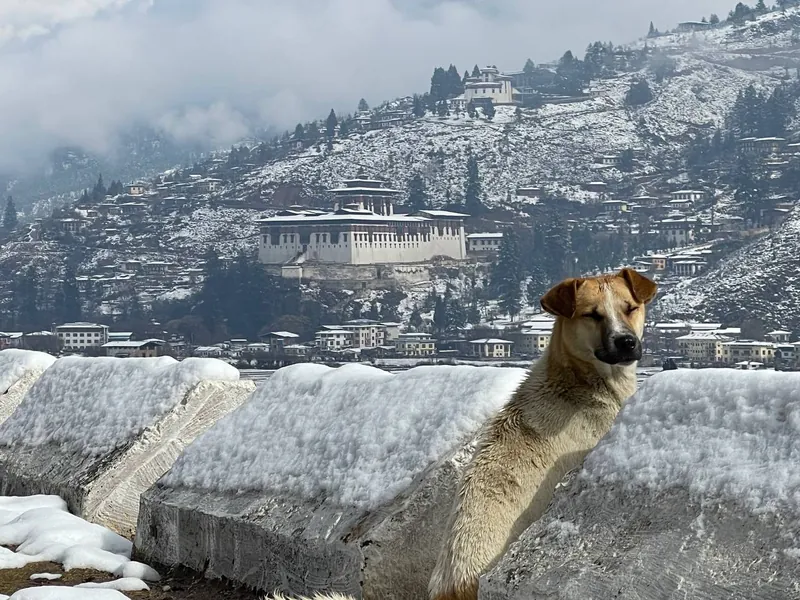
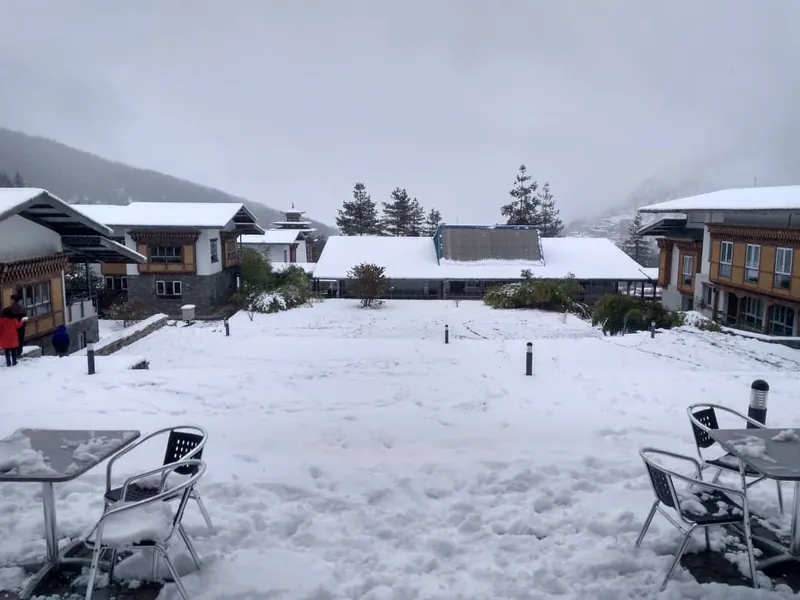
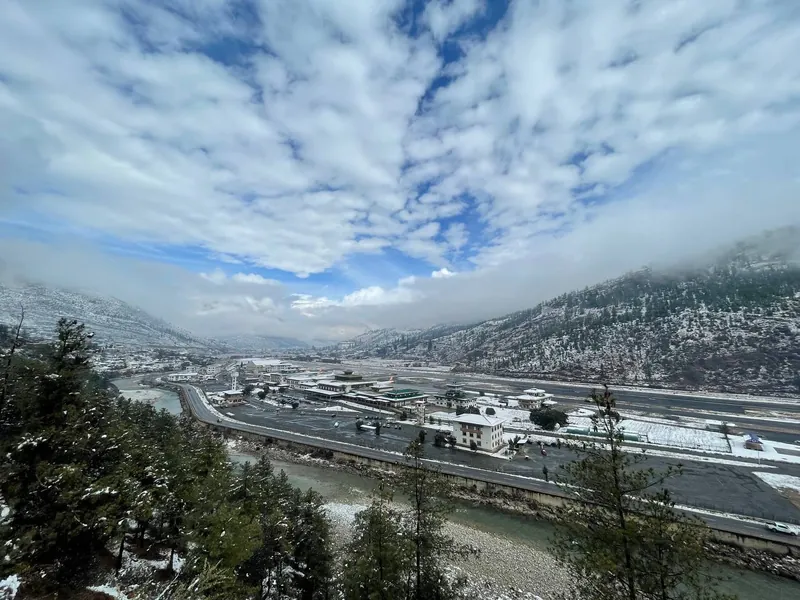
Snow is possible, but it is not guaranteed. Paro and Thimphu may occasionally receive a brief snowfall in January or February, although snow in the main valleys does not normally remain for long. Higher areas surrounding Paro are more likely to experience snow.
January can still be a good month to hike to Paro Taktsang, commonly known as Tiger's Nest Monastery. Begin after the morning temperature has risen and allow sufficient time to return before the late afternoon chill. Parts of the trail may be icy after snow or overnight frost, so footwear with reliable grip is important.
Weather in Thimphu in January
Thimphu is cold but often bright and sunny in January. Daytime temperatures may reach around 12°C, although mornings, evenings and shaded locations can feel much colder.
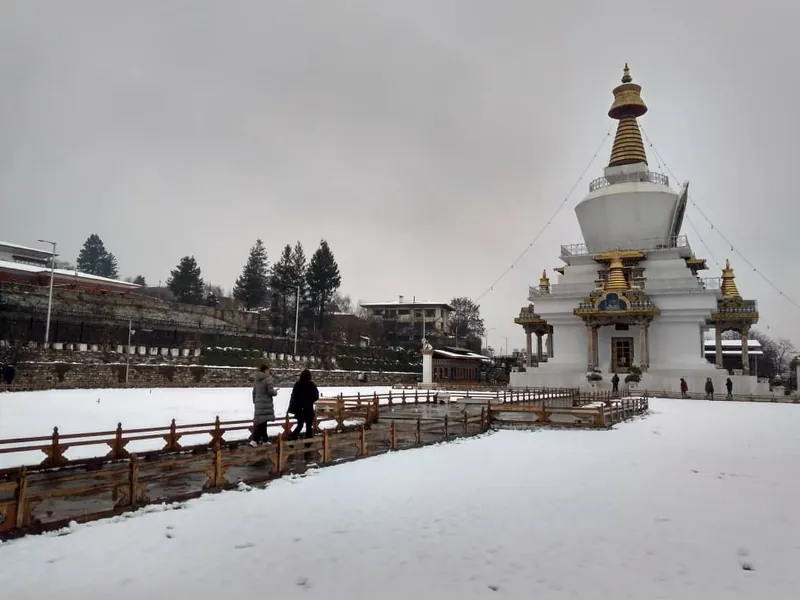
Snowfall in the capital is occasional rather than continuous. When it snows, it can briefly transform the city's hills, monasteries and traditional buildings. Road conditions generally return to normal quickly, but a strong winter weather system may affect travel across nearby mountain passes.
January is a comfortable time for exploring Thimphu's cultural attractions, including Tashichho Dzong, Buddha Dordenma, the National Memorial Chorten and the Folk Heritage Museum. Indoor cultural visits can also be balanced with short outdoor walks during the warmer part of the day.
Weather in Punakha in January
Punakha is considerably warmer than Paro and Thimphu because it sits at a lower altitude. Average daytime temperatures are around 16°C, with night time temperatures close to 4°C.
This makes Punakha one of the most comfortable places to visit in Bhutan during January. Days can feel mild in direct sunlight, although a jacket is still necessary in the morning and after sunset.
The dry winter weather is excellent for visiting Punakha Dzong, walking across the Punakha Suspension Bridge and hiking through the rice fields to Chimi Lhakhang. The valley is less green than it appears during the monsoon, but the clear skies and softer winter light create beautiful photographic conditions.
Travellers who are concerned about the cold may choose to spend an additional night in Punakha rather than travelling immediately into the higher valleys.
Weather in Gangtey and Phobjikha Valley in January
Gangtey, also known as Phobjikha Valley, is particularly cold in January. Daytime temperatures may reach approximately 8°C, while nights can fall to around minus 5°C.
Frost is common, and snow is possible. Accommodation heating standards vary, so it is sensible to confirm that your hotel provides adequate room heating, electric blankets or hot water bottles.
January is also one of the best months to observe black necked cranes in Phobjikha Valley. The birds generally remain in the valley from late October until the middle of February. December and January are among the coldest months but can offer some of the highest crane numbers, according to the Black Necked Crane Centre travel guide.
The Gangtey Nature Trail can remain accessible during dry weather, although frost, mud or snow may affect certain sections. Your guide can assess the conditions locally.
Weather in Bumthang in January
Bumthang experiences some of the coldest January weather along Bhutan's main cultural route. Average temperatures range from around minus 5°C at night to approximately 11°C during the day.
The valley often has clear, sunny afternoons, but mornings and evenings are extremely cold. Frost can cover open fields, and water may freeze overnight. Snowfall is possible, particularly in elevated areas and along the roads crossing into central Bhutan.
The journey to Bumthang involves crossing high mountain passes. Snow or ice may occasionally cause delays, so a January itinerary should include some flexibility. Travellers should avoid scheduling a tight onward connection immediately after a long winter road journey.
Bumthang remains rewarding for those prepared for the cold. Its ancient temples, rural landscapes and spiritual atmosphere feel especially peaceful during winter.
Does it snow in Bhutan in January?
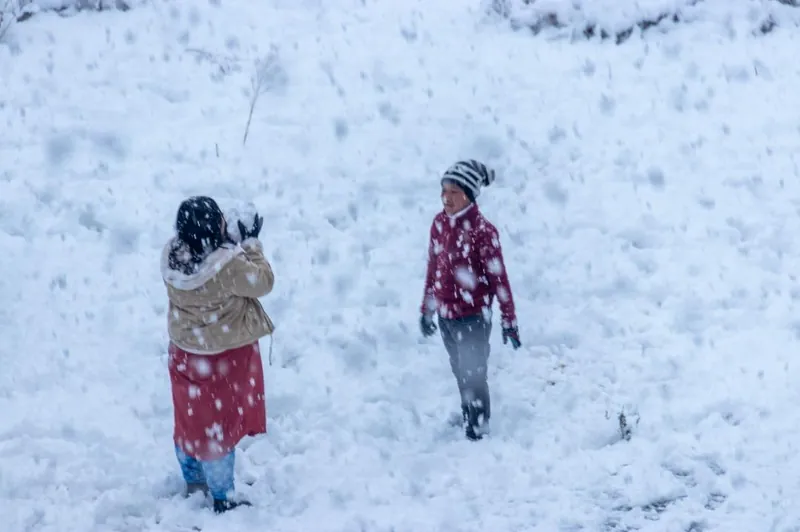
Yes, it can snow in Bhutan in January, but snowfall depends greatly on altitude and local weather conditions.
Paro and Thimphu may receive occasional snow, sometimes lasting for only a day. Gangtey, Bumthang and higher mountain passes have a greater chance of snow. Punakha and the southern districts are much less likely to experience it.
Snow should be considered a possibility rather than a certainty. Travellers hoping to see a completely snow covered Paro or Thimphu may not encounter it during their visit.
High altitude roads are more vulnerable to winter disruption. Heavy snowfall can temporarily affect routes across Dochula, Pelela and other mountain passes. Druk Asia's seasonal guidance also notes that winter snow can affect travel into central and eastern Bhutan.
Read more about the best time to visit Bhutan.
Does it rain in Bhutan in January?
January is part of Bhutan's dry winter season, so prolonged rain is uncommon in most popular travel areas.
Short showers can still occur, and a passing weather system may bring clouds, rain or snow. However, conditions are generally much drier than during the summer monsoon from June to September.
The dry air contributes to clearer mountain views, but it can also cause dry skin, cracked lips and dehydration. Carry moisturiser, lip balm and a reusable water bottle even if you do not feel thirsty.
Is January a good time to visit Bhutan?
January is a very good time to visit Bhutan if you value tranquillity, clear views, wildlife and a slower travel experience.
It may suit you if you enjoy:
Quiet cultural sites
Fewer visitors
Clear Himalayan views
Winter photography
Black-necked crane watching
Crisp walking conditions
Cosy evenings beside a heater
January may be less suitable if you dislike very cold mornings, want to attempt a high altitude trek or prefer lush green landscapes.
The valleys and hillsides are generally brown, gold and muted green during winter. Bhutan's famous rhododendrons and spring flowers have not yet appeared, but the subdued landscape has its own quiet beauty.
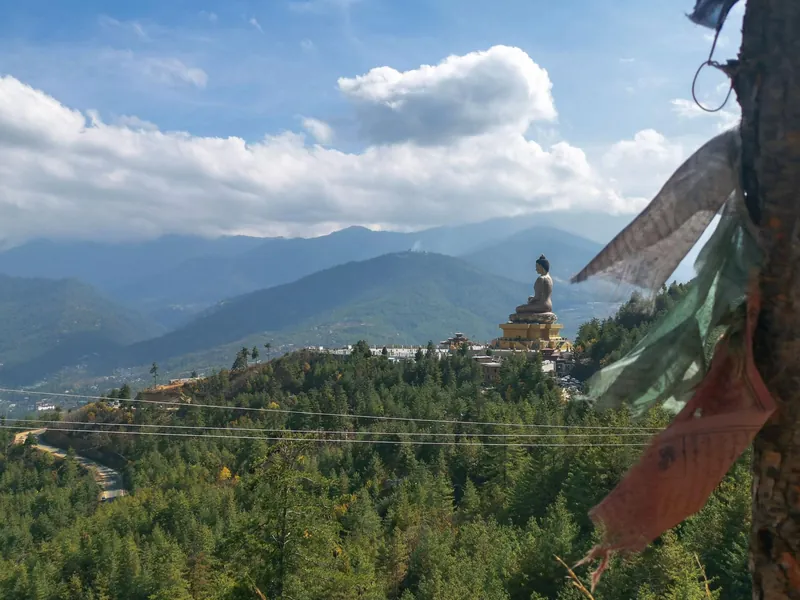
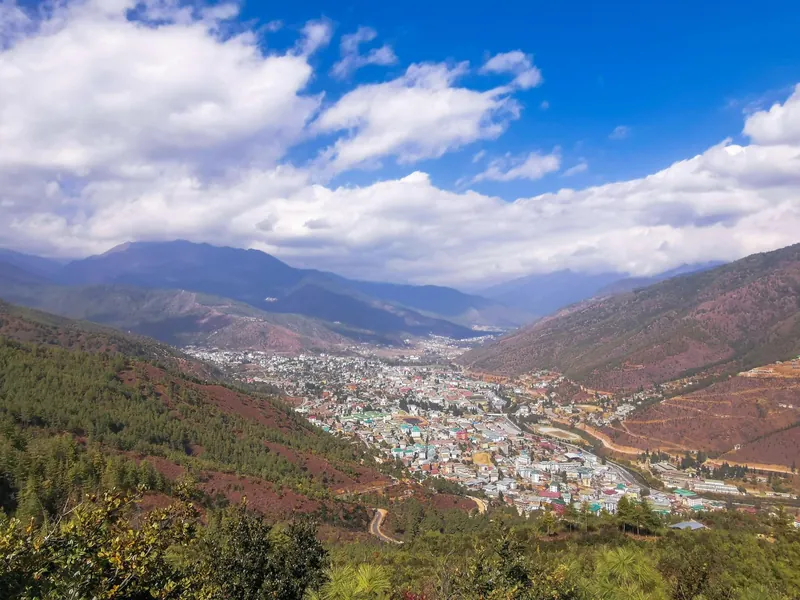
Best things to do in Bhutan in January
Explore Paro and Thimphu
The dry weather makes January suitable for cultural sightseeing. Dzongs, museums, monasteries and traditional craft centres remain central to a winter itinerary.
Hike to Tiger's Nest Monastery
The hike is possible on many January days. Clear skies can provide excellent views, while cooler temperatures make the ascent more comfortable once you start walking. Check for ice or recent snow before setting out.
Visit Punakha Valley
Punakha offers a welcome change from the colder western valleys. Its milder climate makes it ideal for village walks, riverside scenery and outdoor sightseeing.
See black-necked cranes in Phobjikha
January falls within the winter crane season. Visit the information centre and observe the birds from an appropriate distance without disturbing their habitat.
Enjoy a traditional hot stone bath
A Bhutanese hot stone bath is especially comforting after a cold day of sightseeing. Water is heated using river stones and may be infused with local herbs.
Photograph the Himalayan landscape
Winter skies frequently provide better mountain visibility than the monsoon months. Early mornings can bring frost, mist and soft light, while clear afternoons reveal distant peaks.
Experience local winter life
January offers a glimpse of Bhutan beyond its busy festival seasons. You may see families warming themselves beside traditional stoves, farmers preparing for the coming agricultural season and monks continuing their daily rituals in quiet monasteries.
Can you trek in Bhutan in January?
Some lower altitude walks and short hikes are possible in January. High altitude trekking is generally more challenging because of snow, ice, extreme cold and limited access to remote campsites.
Suitable winter activities may include:
The hike to Tiger's Nest Monastery
The Gangtey Nature Trail, subject to conditions
Village walks in Punakha
Short hikes around Thimphu and Paro
Selected lower altitude winter treks arranged with an experienced operator
Major high altitude routes should only be considered after reviewing current trail and weather conditions with a licensed Bhutanese tour operator.
What to wear in Bhutan in January
Layering is the most practical way to dress for Bhutan's changing winter temperatures. You may feel warm in the afternoon sun and extremely cold a few hours later.
Pack the following:
Thermal base layers
Long sleeved tops
Fleece or insulated mid layer
Warm down or winter jacket
Full length trousers
Warm socks
Gloves
Woollen hat
Scarf or neck warmer
Comfortable shoes with good grip
Modest clothing for monasteries and dzongs
Sunglasses
Sunscreen
Moisturiser and lip balm
A heavy jacket is particularly important for Paro, Gangtey and Bumthang. In Punakha, lighter layers may be comfortable during the afternoon, but you will still need warm clothing after sunset.
Indoor spaces are not always heated to the level travellers may expect. Warm sleepwear can make a significant difference, especially in smaller guesthouses or traditional properties.
Practical tips for visiting Bhutan in January
Keep your itinerary flexible
Snow or ice may occasionally delay journeys across mountain passes. Leave some space in your schedule, especially if travelling to Gangtey, Trongsa or Bumthang.
Plan outdoor activities for late morning
The coldest period is usually around dawn. Beginning a walk slightly later gives frost and ice time to clear.
Protect yourself from the sun
The winter air may feel cool, but ultraviolet exposure remains strong at Bhutan's altitude. Use sunscreen and wear sunglasses during extended outdoor activities.
Stay hydrated
Cold and dry weather can make you less aware of dehydration. Drink water regularly, particularly when walking at altitude.
Carry some cash
Winter weather may cause occasional connectivity or power interruptions in remote areas. Cash is useful for small purchases, tips and local shops.
Check your flight schedule
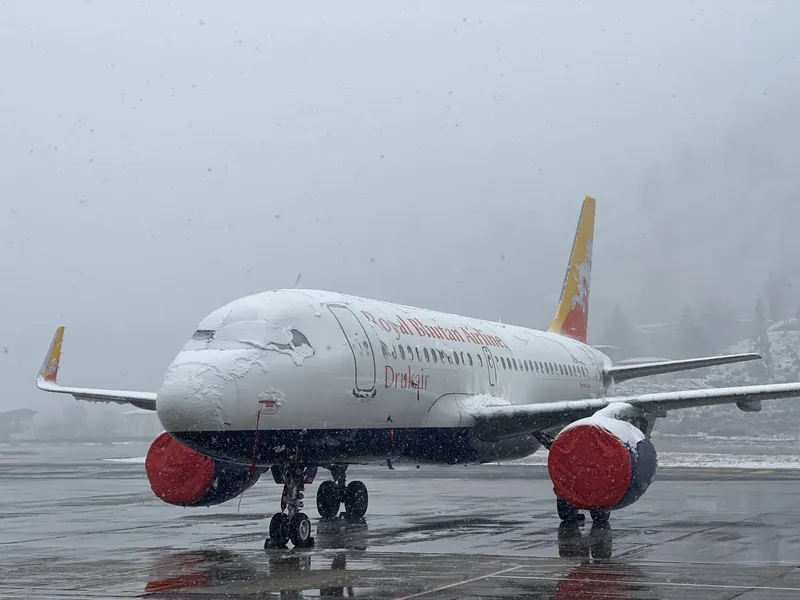
Winter flights into Paro are normally able to operate, but mountain weather can occasionally cause delays. Avoid arranging a tight international connection immediately after leaving Bhutan.
Frequently asked questions about Bhutan in January
Is January the coldest month in Bhutan?
January is generally one of Bhutan's coldest months, together with February. Paro, Gangtey and Bumthang frequently experience freezing night time temperatures.
Will I definitely see snow?
No. Snow is possible in Paro, Thimphu and the higher valleys, but it cannot be guaranteed. High mountain passes and elevations above 3,000 metres have a better chance of snow.
Is Tiger's Nest open in January?
Tiger's Nest Monastery is generally accessible throughout the year. Snow, ice or unusual weather may affect the trail temporarily, so check local conditions with your guide.
Are roads open in January?
Most major roads remain open. Temporary delays or closures can occur when heavy snow affects mountain passes.
Is January crowded in Bhutan?
January is usually quieter than the popular spring and autumn travel periods. This makes it an appealing month for travellers who prefer peaceful attractions and less crowded trails.
Can children and older travellers visit Bhutan in January?
Yes, but the itinerary should be planned around their comfort, mobility and tolerance for cold weather. Choose well heated accommodation and limit long stays in very cold destinations.
Are flights to Bhutan affected by winter weather?
Flights can occasionally be delayed by poor visibility, wind or other mountain weather conditions. It is sensible to leave some time between your Bhutan flight and any onward international connection.
What to Expect from Bhutan in January
Bhutan in January is cold, clear and beautifully peaceful. The month rewards travellers who arrive prepared, offering uncrowded monasteries, crisp mountain views, winter wildlife and a slower glimpse into everyday Bhutanese life.
You may not see snow in every valley, but you are likely to experience dry weather, bright skies and some of the finest Himalayan visibility of the year. With warm layers, reliable accommodation and a flexible itinerary, January can be one of the most memorable times to visit Bhutan.
