 Druk Asia
September is a month of transition in Bhutan. The summer monsoon gradually weakens, the skies begin to clear and the country moves into its popular autumn travel season.
The weather in Bhutan in September can differ significantly between the beginning and end of the month. Early September may still bring frequent rain, cloud and muddy trails. Conditions generally become drier and more stable during the second half.
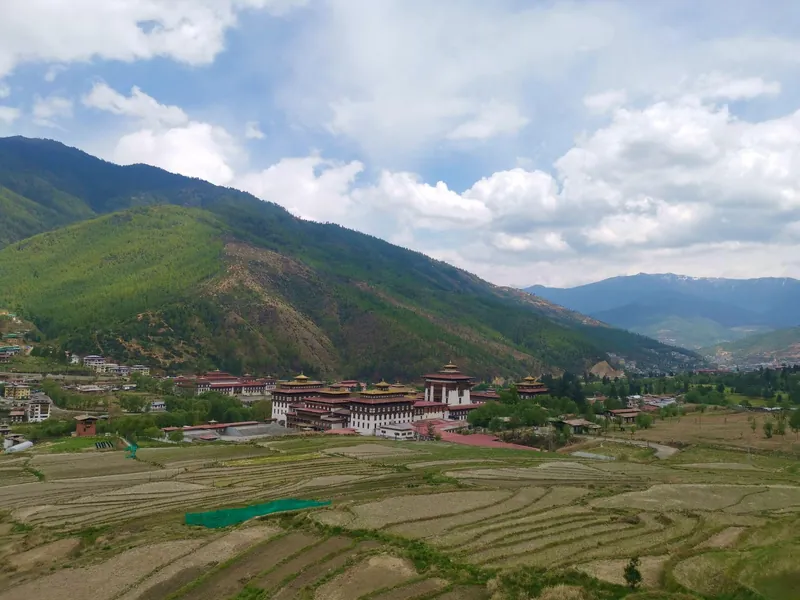
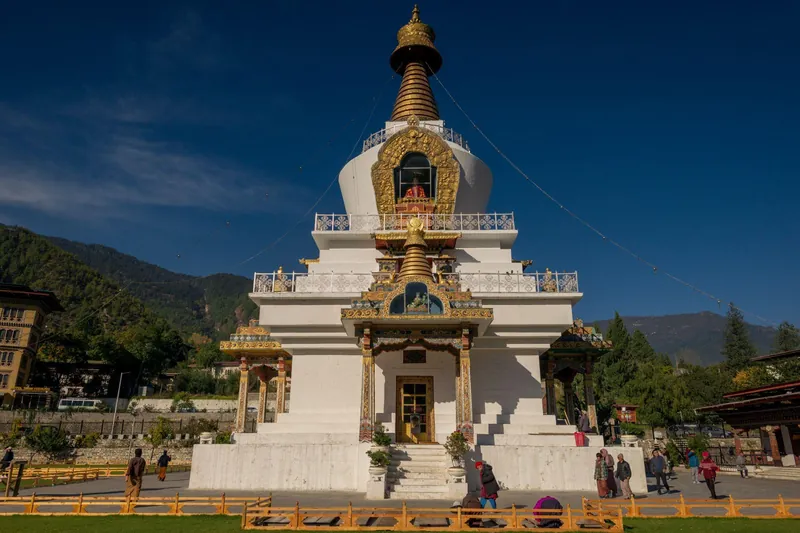
Temperatures remain warm and comfortable across the main cultural valleys. Bhutan's rice fields are green or beginning to turn gold, major festivals return to the calendar and trekking routes gradually reopen as the rain subsides.
What is the weather like in Bhutan in September?
September begins with lingering monsoon weather and ends with the first signs of autumn.
Rain remains possible throughout the month, but the frequency and intensity generally decrease. Clearer mornings and longer dry periods become more common towards late September.
In September, you can generally expect:
- Warm daytime temperatures
- Mild evenings
- Rain during the first half of the month
- Increasingly clear conditions later in the month
- Improving Himalayan visibility
- Green and ripening rice fields
- Less humidity than in July and August
- Better hiking conditions
- Major cultural festivals
- Rising visitor numbers
- Occasional road delays after heavy rain
Bhutan's official tourism guidance states that the monsoon may continue until late September, while autumn usually begins from late September or early October.
Bhutan temperatures in September
The following historical averages provide a general guide to September temperatures in Bhutan. Actual conditions can vary according to elevation, rainfall, cloud cover and local geography.
| Destination | Average daytime high | Average night time low |
| Paro | 23.4°C | 11.7°C |
| Thimphu | 23.1°C | 15°C |
| Punakha | 27.5°C | 19.1°C |
| Gangtey and Phobjikha | 18°C | 9°C |
| Trongsa | 22.6°C | 14.2°C |
| Bumthang | 21.6°C | 12.1°C |
| Mongar | 24.7°C | 19.4°C |
| Trashigang | 30°C | 21.9°C |
These figures are historical averages rather than daily forecasts. Cloud and rain can make conditions feel cooler, while direct sunlight may make Punakha and eastern Bhutan feel warmer.
Gangtey remains the coolest destination in the table because of its elevation. Warm layers are useful in the morning and evening.
Weather in Paro in September
Paro experiences average temperatures between 11.7°C at night and 23.4°C during the day.
Early September can still be wet and cloudy. Rain generally decreases as the month progresses, creating better conditions for sightseeing and hiking.
The valley remains green, with rice fields beginning to mature. Towards the end of September, some fields may start changing from green to gold, although the timing depends on altitude, crop variety and annual rainfall.
The hike to Paro Taktsang, commonly known as Tiger's Nest Monastery, becomes more comfortable during the second half of the month. Trails may remain muddy after rain, so walking shoes with strong grip are still necessary.
Begin the hike in the morning for cooler temperatures and a better chance of clear views. Carry a waterproof jacket even if the weather appears stable.
Weather in Thimphu in September
Thimphu has average temperatures ranging from 15°C at night to 23.1°C during the day.
The capital becomes increasingly pleasant as the monsoon recedes. Mornings can be clear, while evenings feel mild and comfortable.
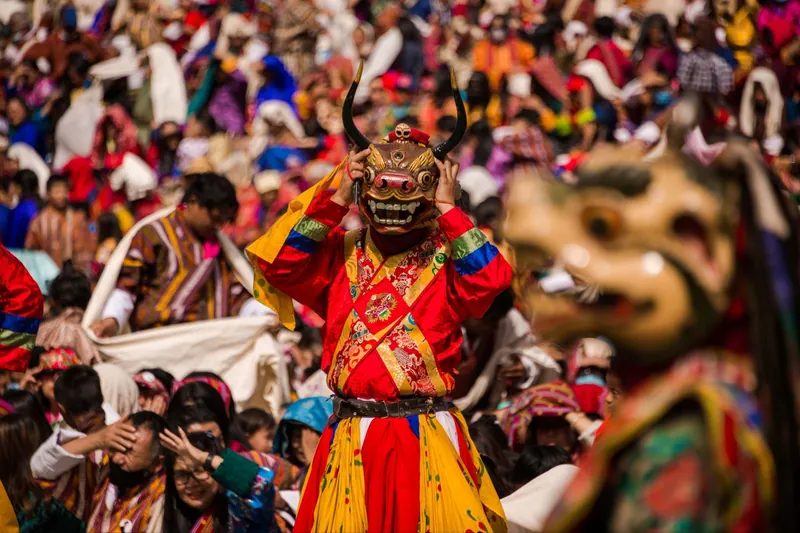
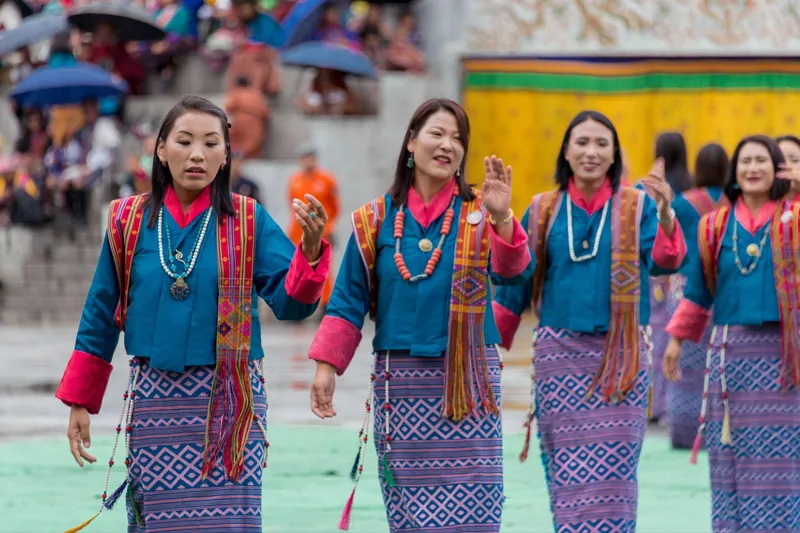
September can also coincide with Thimphu Tshechu, one of Bhutan's largest and most important festivals. It features sacred masked dances, traditional music and large gatherings of Bhutanese families dressed in their finest gho and kira.
Thimphu Tshechu usually takes place during September or October because its dates follow the Bhutanese lunar calendar. Check the relevant annual Bhutan festival calendar before arranging your trip.
Hotels, flights and experienced guides can fill quickly during the festival period. Booking several months ahead is recommended.
Weather in Punakha in September
Punakha remains warm in September, with average daytime temperatures of 27.5°C and night time temperatures of 19.1°C.
Humidity gradually decreases, although the valley can still feel hot during the afternoon. Early September may receive significant rain, while later weeks usually offer better conditions for walking and sightseeing.
The rice fields surrounding Punakha are particularly attractive during September. Some remain vivid green, while others begin turning golden as the harvest season approaches.
Visit Punakha Dzong, the Punakha Suspension Bridge and Chimi Lhakhang during the cooler morning hours.
The hike to Khamsum Yulley Namgyal Chorten becomes easier as rainfall decreases. Trails may still be muddy early in the month, especially after a recent shower.
River levels can remain high after the monsoon. Rafting should only proceed after a qualified local operator has assessed the conditions.
Weather at Dochula Pass in September
Dochula Pass gradually becomes clearer during September, although mist and cloud remain common early in the month.
The pass sits at 3,100 metres and is cooler than Thimphu and Punakha. Carry a light jumper and waterproof jacket, particularly during morning visits.
Himalayan visibility generally improves during the second half of September. However, October and November offer a more reliable chance of clear panoramic mountain views.
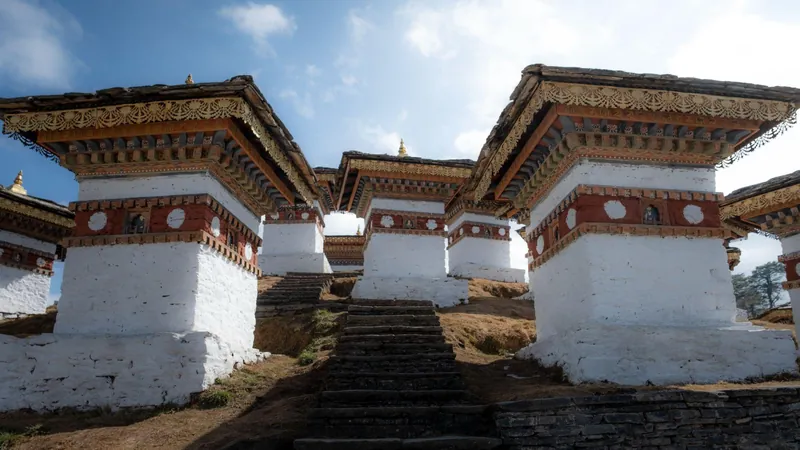
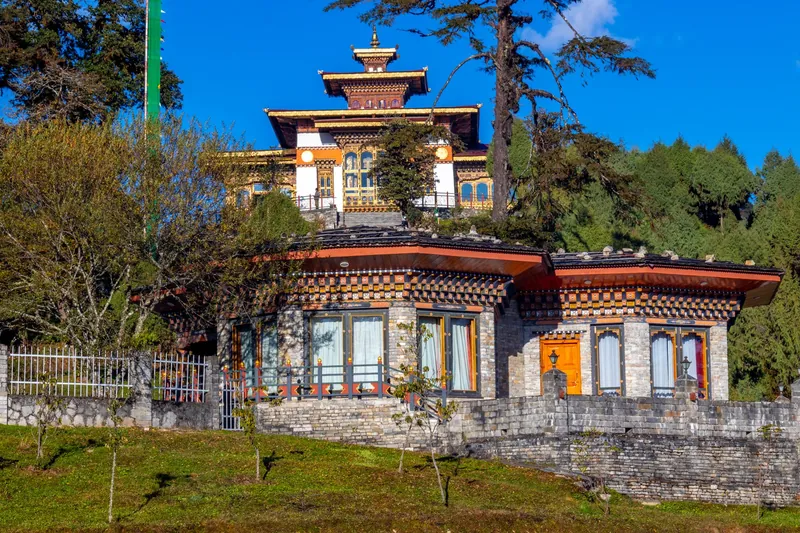
The forests surrounding Dochula remain green after the monsoon. Moisture may linger on forest trails, so appropriate footwear is important for nearby hikes.
Weather in Gangtey and Phobjikha Valley in September
Gangtey has average September temperatures of 18°C during the day and 9°C at night.
Phobjikha Valley remains green, with potato fields, meadows and pine forests covering the surrounding landscape. Conditions generally become drier as the month progresses.
The Gangtey Nature Trail is more manageable during late September, although wet sections and leeches may still be present after rain.
The black necked cranes have not normally arrived by September. Their migration to Phobjikha generally begins from late October or November.
Evenings can feel cool, especially after rain. Bring a jumper or light insulated jacket if you are staying overnight.
Weather in Bumthang in September
Bumthang experiences average temperatures between 12.1°C at night and 21.6°C during the day.
The region is mild and green, with improving conditions for cultural visits and village walks.
September is suitable for exploring Jambay Lhakhang, Kurjey Lhakhang, Tamshing Lhakhang and Jakar Dzong. Forest walks and excursions into Tang, Chumey and Ura valleys become more practical as rainfall decreases.
The roads into central Bhutan may still experience delays during early September. Allow additional travel time and avoid arranging a tight return to Paro immediately before your international flight.
Festival dates in Bumthang vary each year. Check the calendar before planning a journey around a specific celebration.
Is September part of Bhutan's monsoon season?
The first half of September is generally still influenced by the summer monsoon. Rainfall then begins to decrease as autumn approaches.
The exact timing varies each year. Some years may bring dry and clear conditions from the middle of the month, while others remain wet until late September.
Southern Bhutan may continue receiving rain after conditions have improved in the western and central valleys.
September should be viewed as a transitional month rather than a fully dry autumn month.
Does it rain every day in Bhutan in September?
Rain is possible on many days during early September, but it does not necessarily continue throughout the day.
Showers commonly occur during the afternoon, evening or night. Longer dry periods become more frequent later in the month.
By late September, travellers have a better chance of clear mornings and stable sightseeing conditions. Carrying rain protection remains sensible throughout the month.
Early September or late September: which is better?
Late September generally offers better weather for most travellers.
Early September may suit travellers who prioritise quieter attractions and deeply green landscapes. Late September is a better choice for trekking, festivals and clearer weather.
Is September a good time to visit Bhutan?
September can be an excellent time to visit Bhutan, particularly during the second half of the month.
It is suitable for:
- Cultural sightseeing
- Thimphu Tshechu
- Trekking from late September
- Green and golden rice fields
- Village walks
- Photography
- Exploring central Bhutan
- Comfortable daytime temperatures
- Travellers who enjoy festivals
- Travellers seeking early autumn scenery
The main challenge is the lingering monsoon. Travellers visiting early in the month should keep their itineraries flexible and allow extra time for road journeys.

Planning a Bhutan Trip in September?
September brings changing landscapes, improving weather and some of Bhutan's most important festivals. Let our Bhutan travel specialists plan your route around the monsoon, festival dates and the experiences you want to include.
Best things to do in Bhutan in September
Attend Thimphu Tshechu
Thimphu Tshechu is one of Bhutan's largest religious festivals. Sacred dances are performed by monks and lay dancers, while thousands of people gather in traditional clothing.
The festival may fall in September or October. Book early once the annual dates are confirmed.
Hike to Tiger's Nest Monastery
Conditions improve as the month progresses. Late September generally brings drier trails and clearer views than early September.
See Bhutan's rice fields
September offers a chance to see Bhutan's rice terraces changing with the season. Fields may be green, yellow or gold depending on the location and stage of the harvest.
Explore Punakha Valley
Punakha remains warm and lush. Visit its dzong, villages and suspension bridge as the monsoon begins to retreat.
Walk through Phobjikha Valley
The Gangtey Nature Trail becomes increasingly accessible later in September. The valley is green and peaceful before the winter crane season begins.
Visit Bumthang's sacred sites
Improving road and walking conditions make September a good time to explore central Bhutan's temples and rural valleys.
Begin an autumn trek
Some trekking routes reopen during the second half of September. Trail conditions should be checked following the monsoon.
Experience rural harvest activities
Farmers begin preparing for the autumn harvest. Village visits can provide insight into Bhutanese agriculture and seasonal life.
Can you trek in Bhutan in September?
Trekking conditions improve significantly during September.
Early in the month, trails may remain muddy, slippery or damaged by monsoon rain. Leeches and swollen streams can also remain a concern.
The second half of September marks the beginning of Bhutan's autumn trekking season. Popular routes include:
- Druk Path Trek
- Jomolhari Loop Trek (Soi Yaksa)
- Bumdra Trek
- Dagala Thousand Lakes Trek
- Gangtey Nature Trail
- Lungchutse hike
- Tiger's Nest Monastery
- Khamsum Yulley Namgyal Chorten
<BROWSE BHUTAN TREKKING TOURS>
What to wear in Bhutan in September
September requires clothing for warm afternoons, cool evenings and possible rain.
Pack the following:
- Lightweight short sleeved tops
- Breathable long sleeved shirts
- Quick drying trousers
- Light fleece or jumper
- Lightweight insulated jacket
- Waterproof jacket
- Compact umbrella
- Walking shoes with strong grip
- Spare socks
- Modest clothing for religious sites
- Hat
- Sunglasses
- Sunscreen
- Insect repellent
- Waterproof day bag cover
- Dry bags for electronics and documents
- Moisturiser and lip balm
Punakha and eastern Bhutan remain warm, so breathable clothing is important. Gangtey, Bumthang and high mountain passes require a warmer layer.
Travellers attending a festival should wear modest clothing that covers the shoulders and knees. Comfortable footwear is important because seating may be limited and festival days can involve long periods of standing or walking.
Practical tips for visiting Bhutan in September
Choose the second half for better weather
Late September generally offers less rain, improved visibility and better trekking conditions.
Book early for Thimphu Tshechu
Hotels, guides and flights can fill months ahead when festival dates fall in September.
Confirm festival dates
Bhutanese festivals follow the lunar calendar and move each year. Do not assume that Thimphu Tshechu will always take place in September.
Keep rain protection accessible
Even late September can bring sudden showers. Carry a waterproof jacket in your day bag.
Check trekking conditions
Trails may remain damaged or muddy after the monsoon. Your guide should confirm local conditions before departure.
Allow extra road time
Early September rain may cause fog, roadworks or minor landslides. Avoid tightly scheduled travel days.
Plan viewpoints for the morning
Mountain visibility is generally best early in the day before clouds develop.
Protect yourself from the sun
Ultraviolet exposure remains strong at Bhutan's altitude. Use sunscreen even when temperatures feel mild.
Stay in Paro before departure
Spend your final night in Paro to reduce the risk of road delays affecting your flight.
Frequently asked questions about Bhutan in September
Is September rainy in Bhutan?
Early September can still be rainy. Conditions generally become drier as the month progresses.
Is September part of the monsoon?
Yes, especially during the first half. The monsoon usually retreats by late September or early October.
Is late September a good time to visit Bhutan?
Yes. Late September offers improving weather, comfortable temperatures, festivals and the beginning of the autumn trekking season.
Can I hike to Tiger's Nest in September?
Yes. Late September generally provides better trail conditions, but the hike remains possible earlier in the month if the weather is suitable.
Can I see the Himalayas in September?
Mountain views become more likely later in the month. October and November still offer more reliable visibility.
Is Thimphu Tshechu always in September?
No. The festival follows the Bhutanese lunar calendar and may take place in September or October.
Are roads open in September?
Most major roads remain open. Early September rain may cause temporary delays, roadworks or local closures.
Is September suitable for trekking?
The second half of September is generally suitable. Early September trails may remain wet, muddy or affected by the monsoon.
Are there leeches in September?
Leeches may still be present on wet forest trails, particularly during early September.
Is September crowded in Bhutan?
Visitor numbers increase later in the month. Thimphu can become busy during its annual tshechu.
Is September the Right Month for Your Bhutan Trip?
September suits travellers who want to see Bhutan changing from the green monsoon season into autumn. Temperatures remain comfortable, rice fields begin turning gold and festival celebrations return to the valleys.
Late September is the stronger choice for drier weather, hiking and improved mountain visibility. Early September offers fewer visitors but comes with a greater chance of rain and muddy trails.
Book early if your journey coincides with Thimphu Tshechu. Pack a waterproof jacket, retain some flexibility and allow enough time for road travel after the monsoon.
