 Druk Asia
March marks the beginning of spring in Bhutan. Temperatures start to rise, flowers gradually return to the valleys and longer daylight hours create more time for sightseeing and hiking.
The weather in Bhutan in March is generally mild and pleasant during the day, although mornings and evenings remain cold at higher elevations. Lower valleys become noticeably warmer, while mountain passes may still experience frost, ice or occasional snow during the first half of the month.
March is also the beginning of one of Bhutan's most popular travel seasons. Spring festivals, flowering trees and increasingly comfortable walking conditions attract more visitors than the quieter winter months.
What is the weather like in Bhutan in March?
March is a transitional month between Bhutan's dry winter and warmer spring season. The weather is usually comfortable, but conditions can change as you travel between valleys at different elevations.
In March, you can generally expect:
- Mild and sunny afternoons
- Cool mornings and evenings
- Longer daylight hours
- Flowering trees in the lower valleys
- Early rhododendron blooms at selected elevations
- Occasional rain showers
- Frost in higher valleys
- Possible snow at high mountain passes
- Good conditions for cultural sightseeing
- The beginning of Bhutan's main trekking season
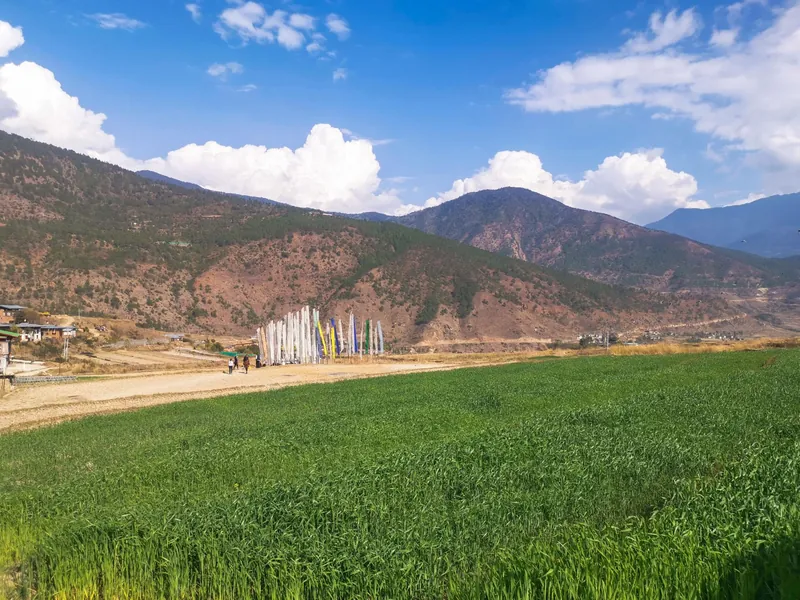
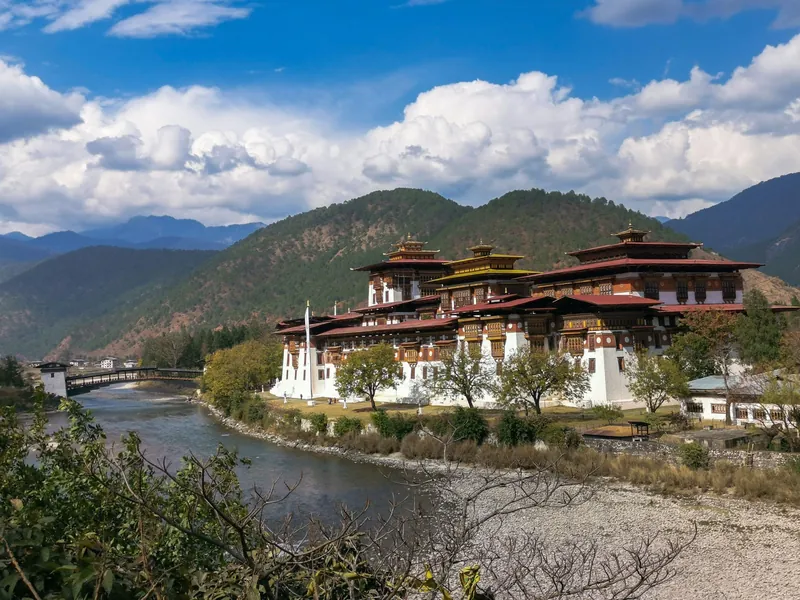
March is not completely warm, especially in the mountains. You may experience spring weather in Punakha and winter conditions at a high pass on the same day.
Bhutan temperatures in March
The following figures are historical averages and should be used as a general guide. Actual conditions can vary according to elevation, location and changing weather systems.
| Destination | Average daytime high | Average night time low |
| Paro | 14.5°C | 0.6°C |
| Thimphu | 16.4°C | 3.9°C |
| Punakha | 21.2°C | 9.2°C |
| Gangtey and Phobjikha | 13°C | –2°C |
| Trongsa | 16.7°C | 4.4°C |
| Bumthang | 16.2°C | 3.5°C |
| Mongar | 20°C | 11.6°C |
| Trashigang | 24.8°C | 4.4°C |
These temperature ranges demonstrate how much Bhutan's climate changes with altitude. Punakha can feel comfortably warm during the afternoon, while Gangtey may still fall below freezing at night.
Historical averages are not a daily forecast. Cold weather systems can temporarily lower temperatures, particularly in exposed valleys and areas above 3,000 metres.
Weather in Paro in March
Paro becomes increasingly pleasant in March. Average daytime temperatures reach 14.5°C, while nights can fall to 0.6°C.
Mornings remain cold, and frost is still possible in open areas. By the afternoon, the sun usually makes walking and sightseeing much more comfortable.
March is a popular month for hiking to Paro Taktsang, commonly known as Tiger's Nest Monastery. The temperature is cooler than in late spring, while clearer skies can provide excellent views across the valley.
Flowering trees begin adding colour to villages, hotel gardens and cultivated areas. Rhododendrons may also start appearing at selected elevations, although the timing depends on altitude and the year's weather.
A warm jacket is still necessary for early morning departures and evenings. You may only need a light outer layer while walking in direct sunlight during the afternoon.
Weather in Thimphu in March
Thimphu experiences average March temperatures between 3.9°C at night and 16.4°C during the day.
The capital becomes livelier as winter ends. Trees begin budding, gardens regain their colour and outdoor sightseeing becomes more comfortable.
March is a good month to visit Buddha Dordenma, Tashichho Dzong, the National Memorial Chorten, the Royal Textile Academy and the weekend market. Short walks in and around the city are also more enjoyable as daytime temperatures rise.
The weather can feel cool in shaded areas and after sunset. Layered clothing remains important, particularly if your itinerary includes early morning visits or walks in the hills surrounding the capital.
Weather in Punakha in March
Punakha is one of the warmest destinations on Bhutan's main cultural route in March. Average daytime temperatures reach 21.2°C, while nights remain mild at 9.2°C.
The warmer conditions make March an excellent time to explore Punakha Dzong, the Punakha Suspension Bridge, Chimi Lhakhang and Khamsum Yulley Namgyal Chorten.
Flowering jacaranda trees at Punakha Dzong usually bloom later in spring, so they should not be expected in March. However, other flowering trees and plants may already be adding colour to the valley.
The hike to Khamsum Yulley Namgyal Chorten can feel warm under direct sunlight. Carry drinking water, sunscreen and a hat, even if the morning begins cool.
Punakha's festival season may fall in February or March, depending on the Bhutanese lunar calendar. Check the festival dates for your intended year before booking flights and accommodation.
Weather at Dochula Pass in March
Dochula Pass sits at an elevation of 3,100 metres between Thimphu and Punakha. It remains considerably colder than both valleys.
Snowfall is still possible in March, especially during the first half of the month. Frost and ice may also be present during the morning.
Clear days can reveal panoramic views of Bhutan's Himalayan peaks. Visibility is often best earlier in the day before clouds begin forming over the mountains.
Carry a warm jacket, gloves and a scarf when stopping at Dochula. Conditions can feel cold and windy even when Punakha is experiencing warm spring weather.
The forests around Dochula gradually come alive with magnolias and rhododendrons during spring. Peak flowering times vary by altitude and seasonal conditions, with many blooms appearing from late March into April and May.
Weather in Gangtey and Phobjikha Valley in March
Gangtey remains cold in March, particularly during the first half of the month. Daytime temperatures reach 13°C, while nights can fall to –2°C.
The wide and exposed Phobjikha Valley may feel colder when the wind is strong. Frost is still possible, and a late snowfall cannot be ruled out.
Most black necked cranes begin leaving the valley by late February or early March. A small number may still be present at the beginning of the month, but visitors should not plan a March journey solely around seeing them.
The Gangtey Nature Trail becomes more comfortable as the weather warms. The route passes through pine forests, open meadows and traditional villages, offering broad views across Phobjikha Valley.
Confirm trail conditions locally, as snow, frost or early spring rain may leave some sections muddy or slippery.
Weather in Bumthang in March
Bumthang begins to emerge from winter in March. Average temperatures range from 3.5°C at night to 16.2°C during the day.
Mornings remain cold, but sunny afternoons are generally suitable for visiting Bumthang's temples, monasteries and rural valleys. The region's open landscapes may still appear dry early in the month, with vegetation gradually returning as spring progresses.
March is a good time to explore Jambay Lhakhang, Kurjey Lhakhang, Tamshing Lhakhang and Jakar Dzong. Longer village walks also become more comfortable than they are during January and February.
The road to Bumthang crosses several mountain passes, where snow or ice can still affect travel. Leave some flexibility in your itinerary and avoid scheduling a tight onward flight immediately after returning from central Bhutan.
Does it snow in Bhutan in March?
Snow is possible in Bhutan during March, but it is less common than in January or February.
The main valleys of Paro and Thimphu are unlikely to experience prolonged snowfall. Snow is more likely at higher locations such as Dochula, Chele La and the mountain passes leading into central Bhutan.
Gangtey and Bumthang may also experience late winter snow during an unusually cold weather system.
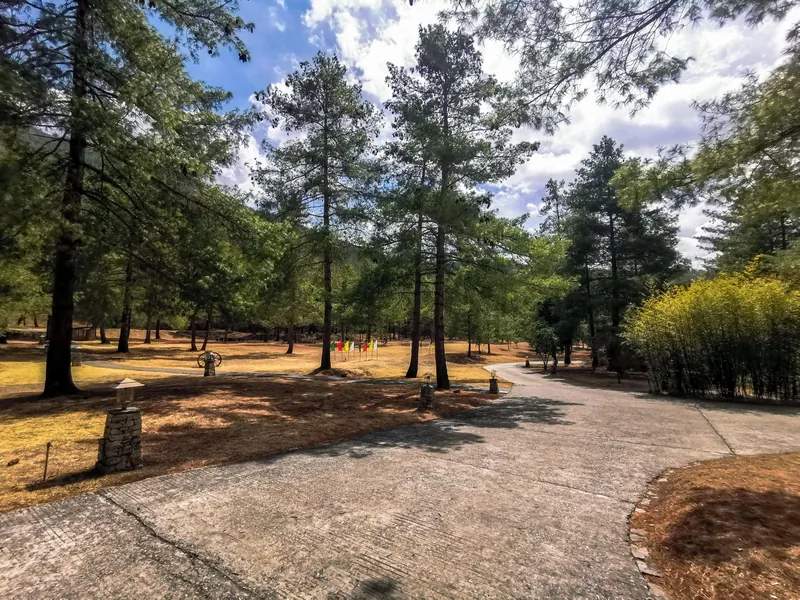
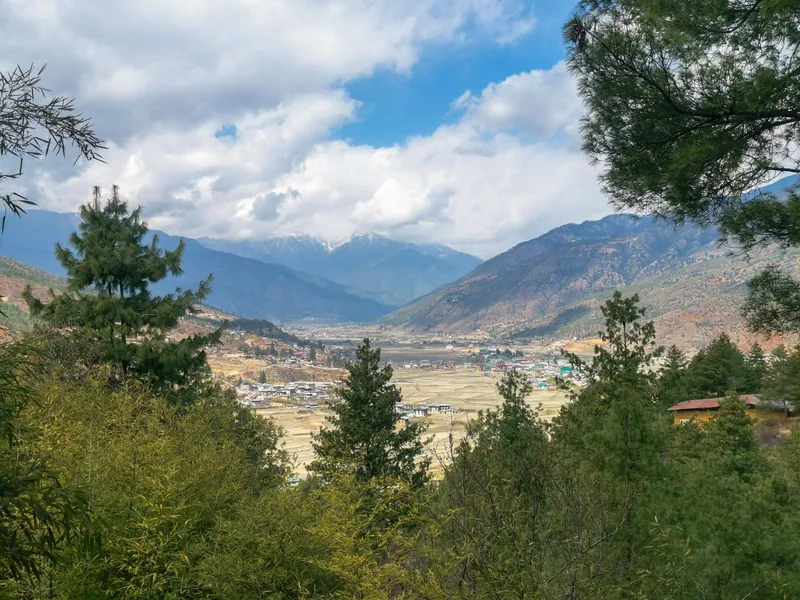
Travellers should treat March snowfall as a possibility rather than an expected part of the journey. Most days in the popular western valleys are likely to be dry, cool and suitable for sightseeing.
Does it rain in Bhutan in March?
Rainfall begins to increase slightly in March as Bhutan enters spring. However, March is still much drier than the summer monsoon season.
You may encounter occasional afternoon showers, brief periods of cloud or rain during the night. Long periods of continuous rain are less common.
A lightweight waterproof jacket is useful, especially during the second half of March. An umbrella can also be carried for city sightseeing, but a waterproof outer layer is more practical for hiking.
Short showers may leave trails muddy, so walking shoes with good grip are recommended.
Is March a good time to visit Bhutan?
March is one of the best months to visit Bhutan. Temperatures are milder, walking conditions improve and the valleys begin to regain their colour after winter.
March is particularly suitable for:
- Cultural sightseeing
- Spring photography
- Short hikes and day walks
- Lower altitude trekking
- Rhododendron viewing
- Festival experiences
- Visiting Paro, Thimphu and Punakha
- Exploring central Bhutan
- Travellers who prefer mild temperatures
Early March is generally cooler and quieter. Late March brings warmer weather, more flowers and a greater chance of spring festivals, but visitor numbers also begin to increase.

Planning a Bhutan Trip in March?
March is one of Bhutan's most popular travel periods. Let our Bhutan travel specialists design an itinerary around the weather, spring blooms, festivals and the experiences that interest you most.
Best things to do in Bhutan in March
Hike to Tiger's Nest Monastery
March offers comfortable temperatures for the hike. Begin in the morning and carry layers for changing conditions along the trail.
Explore Punakha Valley
Enjoy Punakha's warmer climate while visiting its dzong, villages, rice terraces and riverside attractions.
Look for spring flowers
Magnolias, peach blossoms and other flowering trees begin appearing in the valleys. Rhododendron flowering varies by elevation and may become more noticeable from late March.
Visit Dochula Pass
Clear mornings may offer excellent Himalayan views. You may also see the first spring flowers appearing in the surrounding forests.
Walk the Gangtey Nature Trail
Phobjikha Valley remains peaceful after the departure of most black necked cranes. The trail provides an easy introduction to the valley's forests, villages and open landscapes.
Explore Bumthang's sacred sites
Improving weather makes March a good time to visit Bumthang's ancient temples and take gentle walks through its valleys.
Attend a Bhutanese festival
Several religious festivals can fall in March, depending on the lunar calendar. Festival dates and locations change each year, so plan your itinerary using the relevant annual calendar.
Check out the latest Bhutan festival calendar.
Begin a spring trek
March marks the beginning of Bhutan's main spring trekking season. Some high altitude routes may still have snow, but lower routes become increasingly accessible.
Can you trek in Bhutan in March?
March is a good month for trekking, particularly from the middle of the month onwards. Conditions are usually drier and milder than during winter, while the trails are less wet than they become during the summer monsoon.
Popular options include:
- Druk Path Trek
- Bumdra Trek
- Gangtey Nature Trail
- Lungchutse hike
- Tiger's Nest Monastery
- Khamsum Yulley Namgyal Chorten
Snow may remain on high sections of the Druk Path and other elevated routes during early March. Night time temperatures at campsites can also fall below freezing.
Browse Bhutan Trekking Tours
What to wear in Bhutan in March
Layered clothing is still essential in March. Temperatures change throughout the day and vary significantly between destinations.
Pack the following:
- Light thermal base layers
- Long sleeved tops
- Fleece or warm jumper
- Light insulated jacket
- Waterproof outer layer
- Full length trousers
- Comfortable walking shoes
- Warm socks
- Hat or beanie
- Light gloves for higher elevations
- Modest clothing for monasteries and dzongs
- Sunglasses
- Sunscreen
- Moisturiser
- Lip balm
You may not need a heavy winter coat in Punakha during the day, but warm clothing remains useful in Paro, Thimphu, Gangtey and Bumthang.
If your itinerary includes trekking or visits to high mountain passes, bring warmer layers than you would need for a standard cultural tour.
Practical tips for visiting Bhutan in March
Book early for festivals
March marks the beginning of the popular spring season. Flights, guides and preferred hotels can fill quickly when major festivals take place.
For significant festivals, consider booking several months in advance.
Pack for more than one season
You may encounter warm spring sunshine in Punakha, cool evenings in Paro and snow at a mountain pass during the same journey.
Begin mountain sightseeing early
Himalayan views are often clearest in the morning. Clouds may develop later in the day as temperatures rise.
Carry sun protection
Bhutan's altitude increases your exposure to ultraviolet radiation. Use sunscreen and wear sunglasses during outdoor activities.
Prepare for occasional showers
Carry a lightweight waterproof jacket and shoes with good grip. March rain is usually manageable, but trails can become muddy.
Stay hydrated during hikes
Cool air can make you less aware of dehydration. Drink water regularly, especially at higher elevations.
Leave flexibility in longer itineraries
Weather can still affect high mountain roads. A flexible schedule is particularly useful when travelling to Gangtey, Trongsa or Bumthang.
Frequently asked questions about Bhutan in March
Is Bhutan cold in March?
March is cool rather than severely cold in most popular destinations. Daytime temperatures are pleasant, but mornings and evenings remain chilly in the higher valleys.
Is March warmer than February?
Yes. Daytime and night time temperatures generally rise in March as Bhutan enters spring.
Will I see snow in March?
Snow is possible at high mountain passes and in elevated regions. It is less likely in the main valleys of Paro, Thimphu and Punakha.
Can I hike to Tiger's Nest in March?
Yes. March is one of the better months for the hike because temperatures are mild and rainfall remains relatively low.
Are rhododendrons blooming in March?
Rhododendrons may begin flowering at lower and middle elevations during March. Peak flowering varies by species, elevation and annual weather conditions, with many displays continuing through April and May.
Can I see black necked cranes in March?
Most cranes leave Phobjikha Valley by late February or early March. A few may remain during the beginning of the month, but sightings are not guaranteed.
Is March crowded in Bhutan?
March is busier than January and February. Visitor numbers rise during festivals and towards the end of the month, but most attractions remain comfortable outside major event dates.
Is March suitable for trekking?
Yes. March marks the start of the spring trekking season. High routes may still have snow early in the month, so current trail conditions should be checked.
Is March the Right Month for Your Bhutan Trip?
March is ideal if you want mild weather, spring landscapes and increasingly comfortable hiking conditions. The lower valleys begin to bloom, while the higher mountains can retain traces of winter.
Visit early in the month for cooler weather and fewer visitors. Travel later in March for warmer afternoons, more flowers and a greater chance of attending a spring festival.
Pack layers, carry a lightweight waterproof jacket and reserve your flights and accommodation early if your trip coincides with a major festival.
