 Druk Asia
February marks the final month of winter in Bhutan. The weather remains cold in the higher valleys, but daytime temperatures gradually become warmer as the country approaches spring.
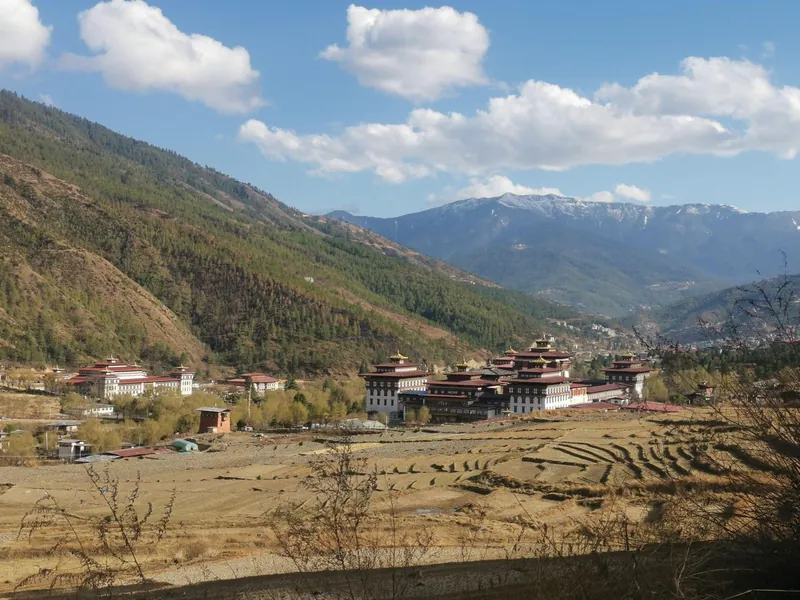
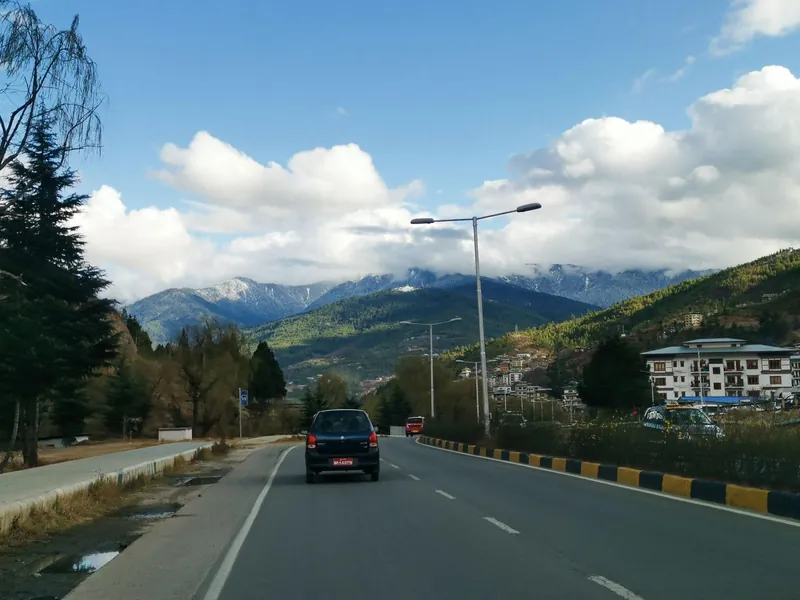
You can expect mostly dry conditions, clear skies and excellent mountain visibility. Paro, Thimphu, Gangtey and Bumthang remain cold, particularly in the morning and at night. Punakha and the eastern districts are considerably warmer and pleasant for cultural sightseeing.
February is also one of the quieter months to visit Bhutan. You can explore many of the country's most important monasteries, dzongs and valleys without the larger visitor numbers seen during spring and autumn.
What is the weather like in Bhutan in February?
Bhutan's climate varies dramatically according to altitude. Conditions in the mountains can be very different from those in the lower valleys, even when the destinations are only a few hours apart.
In February, you can generally expect:
Cold mornings and evenings
Cool to mild afternoons
Mostly sunny and dry weather
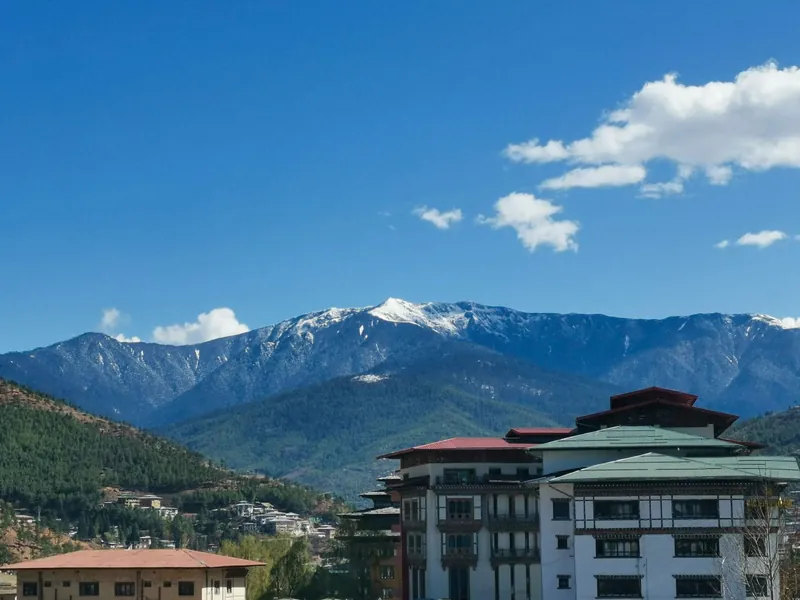
Clear Himalayan views
Frost in the higher valleys
Possible snowfall in western and central Bhutan
Snow or ice at high mountain passes
Warmer conditions towards the end of the month
Fewer visitors than during spring and autumn
January is normally colder, but February is still considered part of Bhutan's winter season. The sun can feel surprisingly warm during the afternoon, while temperatures may drop sharply once it disappears behind the mountains.
Bhutan temperatures in February
These historical averages provide a useful guide to Bhutan's February temperatures. Actual conditions can vary according to altitude, local geography and changing weather systems.
| Destination | Average daytime high | Average night time low |
| Paro | 13.4°C | 1.5°C |
| Thimphu | 14.4°C | 0.6°C |
| Punakha | 19.6°C | 5.3°C |
| Gangtey and Phobjikha | 10°C | –3°C |
| Wangdue Phodrang | 19°C | 7.8°C |
| Trongsa | 13.9°C | 0.4°C |
| Bumthang | 10°C | –1.4°C |
| Mongar | 15.9°C | 8.3°C |
| Trashigang | 21.7°C | 11.5°C |
The figures demonstrate how altitude affects the weather in Bhutan. Punakha can be almost 10°C warmer than Gangtey during the day, despite the two destinations being part of the same journey.
These figures are historical averages rather than guaranteed daily temperatures. Cold weather systems can cause temperatures to fall below the listed ranges, especially in Paro, Gangtey and Bumthang.
You can review Bhutan's wider regional climate data in this Bhutan weather and temperature guide.
Weather in Paro in February
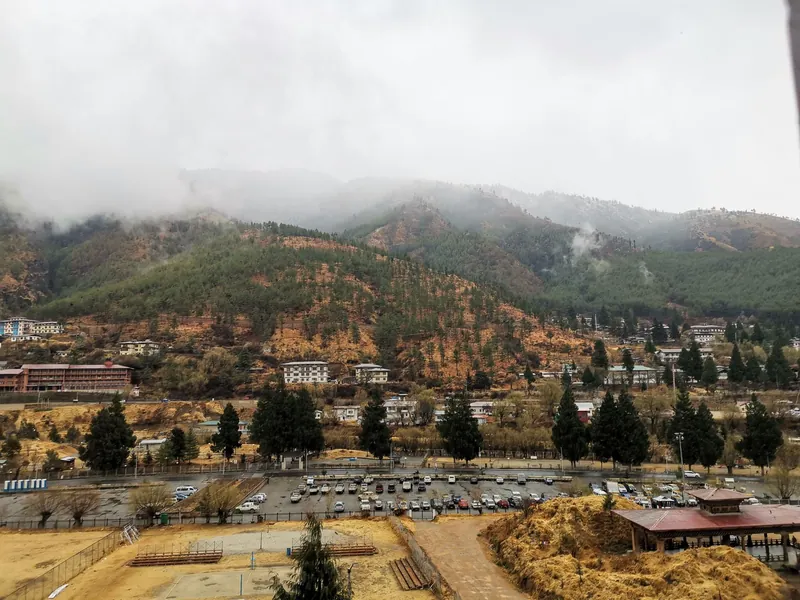
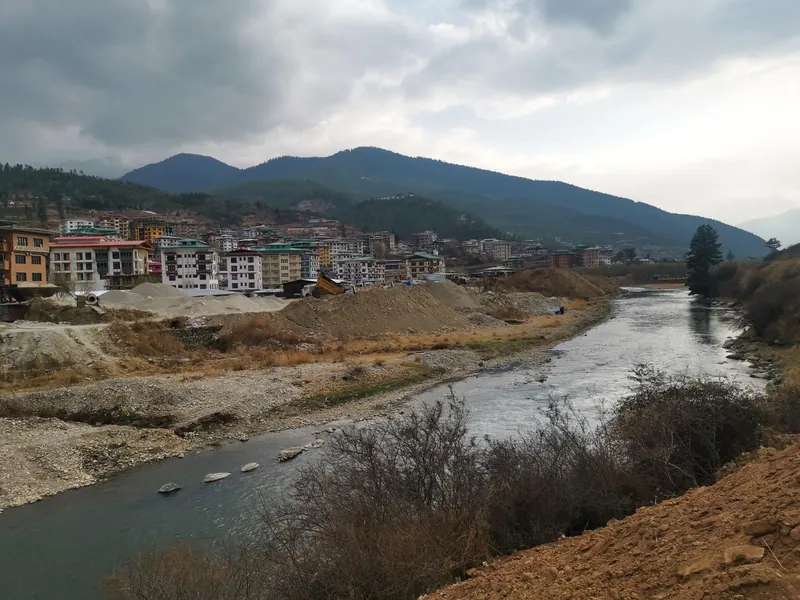
Paro remains cold in February, but average temperatures are noticeably warmer than in January. Daytime temperatures may reach approximately 13°C, while nights can fall close to freezing.
Mornings can be frosty, particularly in open fields and shaded areas. The afternoon sun often makes sightseeing more comfortable, although you will still need a warm jacket once evening arrives.
Snowfall is possible but not guaranteed. Paro may experience a brief period of snow during January or February, but the main valley is not normally covered in snow throughout the month.
February can be an excellent time to hike to Paro Taktsang, also known as Tiger's Nest Monastery. The cooler conditions make the ascent more comfortable, and clear winter skies can provide beautiful views across the valley.
Begin the hike after the morning frost has started to clear. Recent snow may leave some parts of the trail slippery, so wear shoes with reliable grip and follow your guide's advice.
Weather in Thimphu in February
Thimphu experiences cold mornings, sunny afternoons and chilly evenings in February. Average temperatures range from approximately 1°C at night to 14°C during the day.
Snow is uncommon but possible. A short snowfall can temporarily cover the capital and its surrounding hills, although it normally melts quickly once temperatures rise.
February is well suited to cultural sightseeing in Thimphu. You can visit Buddha Dordenma, Tashichho Dzong, the National Memorial Chorten, the Royal Textile Academy and traditional craft workshops.
Indoor visits can be planned for the colder parts of the day, while outdoor attractions are best explored from late morning to mid afternoon.
Weather in Punakha in February
Punakha is one of the warmest and most comfortable destinations in Bhutan during February. Average daytime temperatures reach approximately 20°C, while nights remain around 5°C.
The valley's lower altitude produces much milder conditions than Paro, Thimphu or Gangtey. In direct sunlight, you may only need a light jacket during the afternoon. Warm layers are still necessary in the morning and evening.
February is a particularly good time for exploring Punakha Dzong, the Punakha Suspension Bridge, Chimi Lhakhang and Khamsum Yulley Namgyal Chorten.
The landscape is generally drier than during spring and summer, but the first seasonal blossoms may begin appearing in warmer parts of the valley towards the end of the month.
Punakha Dromche and Punakha Tshechu are also commonly held around February or March. The exact dates follow the Bhutanese lunar calendar and change each year, so confirm the festival schedule before arranging your journey.
Weather at Dochula Pass in February
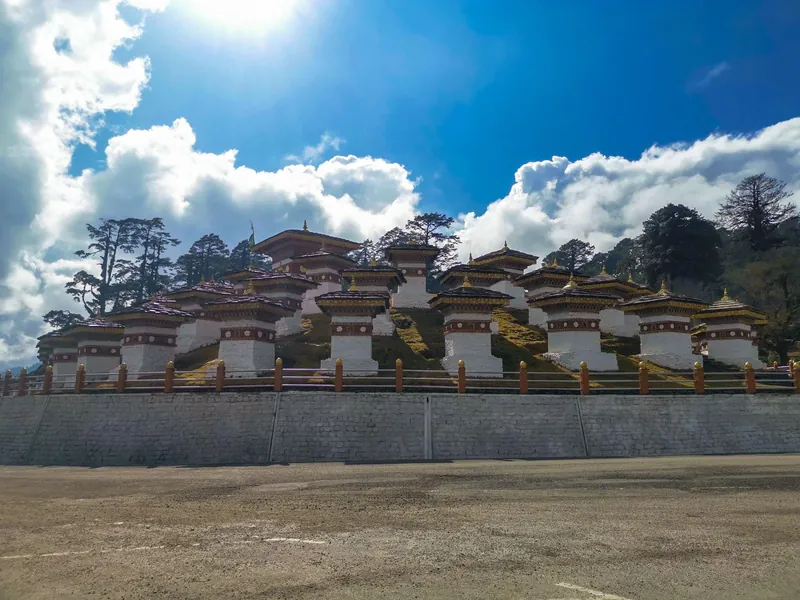
Dochula Pass sits at approximately 3,100 metres between Thimphu and Punakha. It is much colder than either city and can experience snow or ice in February.
On a clear day, Dochula offers magnificent views of Bhutan's Himalayan peaks. The combination of crisp air, clear skies and the 108 Druk Wangyel Chortens makes it an excellent winter photography stop.
Cloud can arrive quickly at this altitude. Carry a warm jacket, gloves and a hat even if the weather feels mild when you leave Thimphu or Punakha.
Heavy snowfall may temporarily affect the road, although major routes are usually cleared as soon as conditions permit.
Weather in Gangtey and Phobjikha Valley in February
Gangtey and Phobjikha Valley remain cold throughout February. Average daytime temperatures are around 10°C, while nights may fall to approximately minus 3°C.
Frost is common, and snow remains possible. The wide, open valley can feel colder when it is windy, even on a sunny day.
February is one of the final opportunities of the season to observe black necked cranes in Phobjikha Valley. According to Bhutan's official tourism website, the cranes generally arrive during November and remain until the end of February. They can also be seen in parts of Bumthang and eastern Bhutan.
Read about Bhutan as an all year round destination.
Crane numbers may begin to decline later in the month as the birds prepare to leave. Travelling during the first half of February can improve your chances of seeing them, although their exact departure depends on natural conditions.
The Gangtey Nature Trail may be accessible during dry weather. Snow, frost or mud can affect certain sections, so check the trail conditions locally before setting out.
Weather in Bumthang in February
Bumthang remains one of the coldest destinations along Bhutan's main cultural route. Average temperatures range from around minus 1°C at night to 10°C during the day.
Mornings and evenings require proper winter clothing. Sunny afternoons can feel pleasant, but shaded areas and traditional buildings may remain cold.
The journey into Bumthang crosses high mountain passes where snow and ice can affect road conditions. A flexible itinerary is advisable, particularly if you need to return to Paro for an international flight.
Bumthang's ancient temples, monasteries and villages receive fewer visitors during February. Travellers prepared for the colder conditions can experience the spiritual heartland of Bhutan at its quietest.
Does it snow in Bhutan in February?
Yes, snow can fall in Bhutan during February, especially in high altitude areas.
Paro and Thimphu may experience an occasional brief snowfall. Gangtey, Bumthang, Haa and the higher mountain passes have a greater chance of snow. Punakha and southern Bhutan are much less likely to receive it.
Bhutan's higher regions can experience snowfall from December to February, according to Druk Asia's Bhutan weather by month guide.
A visit in February does not guarantee a snow covered landscape. Many days are sunny and completely dry, particularly in the lower valleys. Travellers hoping specifically to see snow should include higher destinations but remain prepared for possible changes to road or walking conditions.
Does it rain in Bhutan in February?
February is generally dry, with much less rain than the summer monsoon season. Most days in western and central Bhutan are clear or partly cloudy.
Brief rain showers can occur, and precipitation may fall as snow at higher elevations. Extended periods of heavy rain are uncommon.
Pack moisturiser and lip balm for the dry winter air, and remember to drink water throughout the day.
Is February a good time to visit Bhutan?
February is a good time to visit Bhutan if you prefer fewer visitors, clear mountain views and comfortable cultural sightseeing.
It is especially suitable for:
Cultural tours in Paro, Thimphu and Punakha
Black necked crane watching
Winter photography
Short walks and lower altitude hikes
Traditional hot stone baths
Peaceful monastery visits
Travellers who prefer cooler weather
Selected winter festivals
February may not be ideal for travellers planning high altitude treks. Snow, ice and extreme night time temperatures can make remote trails difficult or inaccessible.
The second half of February is generally better for travellers who want slightly warmer weather. Early February offers a stronger winter atmosphere and a better chance of seeing the black necked cranes before they depart.

Planning a Bhutan Trip in February?
Let our Bhutan travel specialists plan a winter journey with comfortable hotels, suitable activities and enough flexibility for changing mountain conditions.
Best things to do in Bhutan in February
Hike to Tiger's Nest Monastery
Clear skies and cool temperatures can create excellent hiking conditions. Check for frost or ice before beginning the ascent.
Visit Punakha Valley
Punakha offers some of Bhutan's most comfortable February weather. Visit the dzong, walk across the suspension bridge and explore the surrounding villages.
Look for black necked cranes
Visit Phobjikha Valley during the first half of February for a better chance of seeing the cranes before their spring migration.
Explore Bhutan's cultural sites
The quieter season allows you to spend more time inside dzongs, museums and monasteries without large crowds.
Attend Punakha Dromche or Tshechu
These religious celebrations commonly take place during February or March. Festival dates vary each year according to the lunar calendar. Find out more about Punakha Dromche and Punakha Tshechu.
Enjoy a traditional hot stone bath
A Bhutanese hot stone bath is especially relaxing after a cold day of sightseeing or hiking.
Photograph the Himalayas
The dry winter air often provides clear mountain visibility. Dochula Pass can offer panoramic Himalayan views when the sky is clear.
Experience the beginning of spring
The end of February can bring the first subtle signs of seasonal change in lower valleys. Budding trees and early blossoms may begin to appear around Punakha and other warmer areas.
Can you trek in Bhutan in February?
Lower altitude walks and selected winter trekking routes may be possible in February. High altitude treks are more difficult because of snow, ice, freezing temperatures and closed campsites.
Possible February activities include:
Tiger's Nest Monastery
Gangtey Nature Trail
Khamsum Yulley Namgyal Chorten
Village walks in Punakha
Short hikes around Thimphu and Paro
Selected lower altitude winter treks
What to wear in Bhutan in February
Layered clothing is essential because of the significant difference between daytime and night time temperatures.
Pack the following:
Thermal base layers
Long sleeved shirts
Fleece or warm jumper
Insulated winter jacket
Full length trousers
Warm socks
Gloves
Woollen hat
Scarf
Comfortable walking shoes with good grip
Modest clothing for religious sites
Sunglasses
Sunscreen
Moisturiser
Lip balm
A lighter jacket may be sufficient during sunny afternoons in Punakha. You will need warmer clothing in Paro, Thimphu, Gangtey and Bumthang.
Indoor spaces are not always heated as strongly as travellers expect. Bring warm sleepwear and confirm that your accommodation offers room heating, electric blankets or hot water bottles.
Practical tips for visiting Bhutan in February
Book accommodation with adequate heating
Heating standards vary between hotels. Ask specifically about room heaters, electric blankets and hot water rather than assuming these will be available.
Allow flexibility for road journeys
Snow or ice may occasionally affect high mountain passes. Avoid scheduling a long journey immediately before your departure flight from Paro.
Start walks after the morning frost clears
Late morning is often more comfortable for hiking. It also gives ice on exposed trails time to soften or melt.
Protect yourself from the sun
Bhutan's strong sunlight can cause sunburn even in cold weather. Apply sunscreen and carry sunglasses, particularly at higher elevations.
Drink plenty of water
Dry air and altitude can contribute to dehydration. Drink regularly even if you do not feel thirsty.
Carry some cash
Cards may not be accepted in small shops, rural areas and local markets. Cash is also useful if connectivity is temporarily affected.
Check festival dates carefully
Bhutanese festival dates follow the lunar calendar and can change from one year to the next. Confirm dates before booking flights or hotels.
Leave time between connecting flights
Mountain weather can occasionally delay flights into or out of Paro. Avoid very tight international connections where possible.
Frequently asked questions about Bhutan in February
Is Bhutan very cold in February?
February remains cold, particularly in Paro, Thimphu, Gangtey and Bumthang. Punakha and eastern Bhutan experience milder daytime temperatures.
Is February warmer than January?
Yes. Most destinations begin to warm gradually in February, although mornings and evenings can still be close to or below freezing.
Will I see snow in February?
Snow is possible but not guaranteed. Higher valleys and mountain passes have a greater chance of snow than Paro, Thimphu or Punakha.
Can I hike to Tiger's Nest in February?
The trail is normally accessible, but frost, ice or recent snow may affect walking conditions. Your guide can check the trail before the hike.
Can I see black necked cranes in February?
Yes. The cranes generally remain in Phobjikha Valley until the middle or end of February. Visiting earlier in the month may offer a better chance of seeing them.
Are roads open in February?
Most major roads remain open. Temporary delays may occur after heavy snowfall at high passes.
Is February crowded in Bhutan?
February is generally quieter than March, April, October and November. Festival periods may attract more domestic and international visitors to specific destinations.
Is February suitable for families?
Yes. Choose warm accommodation, plan outdoor activities during the warmer part of the day and avoid overly long road journeys with young children or older family members.
What to Expect from Bhutan in February
February is a rewarding month for travellers who want to experience Bhutan before the spring crowds arrive. The weather remains wintry in the higher valleys, but warmer afternoons make cultural sightseeing and short hikes increasingly comfortable.
You may see snow, black necked cranes or the first subtle signs of spring. Even without them, the clear skies, peaceful attractions and beautiful Himalayan views make February an appealing time to explore the kingdom.
With proper winter clothing, comfortable accommodation and a flexible itinerary, Bhutan in February offers a quiet and memorable journey through the final weeks of winter.
