 Druk Asia
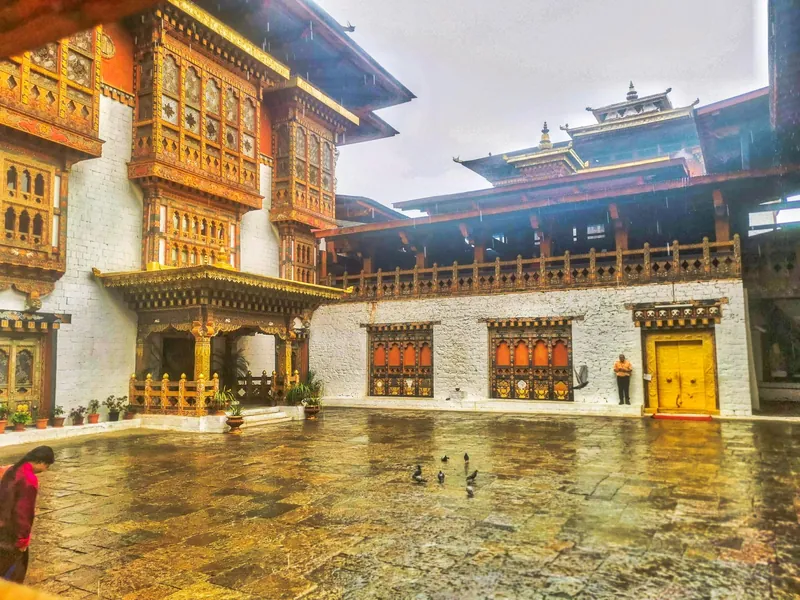
July falls in the middle of Bhutan's summer monsoon season. It is one of the warmest, wettest and greenest months of the year.
Frequent rain transforms the valleys, forests and rice terraces into vivid shades of green. Rivers and waterfalls are at their most powerful, while mist moves through the mountains and around Bhutan's monasteries.
The weather in Bhutan in July requires a more flexible style of travel. Cultural sightseeing remains possible, but mountain views are less reliable, trekking conditions are difficult and road journeys can take longer because of rain, fog or landslides.
July can still be rewarding if you appreciate green landscapes, fewer visitors and atmospheric photography.
What is the weather like in Bhutan in July?
July is warm and humid across much of Bhutan. Rain may fall during the afternoon, evening or overnight, although some weather systems can bring longer periods of wet conditions.
Conditions vary considerably between regions. Southern Bhutan and lower valleys generally receive heavier rain and higher temperatures, while elevated destinations such as Gangtey and Bumthang remain cooler.
In July, you can generally expect:
- Warm daytime temperatures
- Mild evenings
- High humidity
- Frequent rain
- Cloud and mist
- Green rice fields and forests
- Strong rivers and waterfalls
- Reduced mountain visibility
- Muddy walking trails
- Possible road delays
- Fewer international visitors
The summer monsoon runs from the middle of June through August. Rain in many areas may arrive in shorter periods during the afternoon, although heavier or more prolonged rainfall is also possible.
Bhutan temperatures in July
The following historical averages provide a general guide to July temperatures in Bhutan. Actual conditions can vary according to altitude, rainfall, cloud cover and local geography.
| Destination | Average daytime high | Average night time low |
| Paro | 26.8°C | 14.9°C |
| Thimphu | 25.9°C | 15.6°C |
| Punakha | 30.4°C | 20.5°C |
| Gangtey and Phobjikha | 19°C | 11°C |
| Trongsa | 25.3°C | 15.3°C |
| Bumthang | 24.1°C | 13.6°C |
| Mongar | 27.1°C | 19.8°C |
| Trashigang | 31.5°C | 23.1°C |
These figures are historical averages rather than daily forecasts. Rain and heavy clouds can make a day feel cooler, while high humidity can make lower valleys feel warmer.
Punakha and eastern Bhutan are hot and humid in July. Gangtey remains much cooler because it sits close to 3,000 metres above sea level.
Weather in Paro in July
Paro experiences average temperatures between 14.9°C at night and 26.8°C during the day in July.
The valley is lush and green, with active rice fields and dense vegetation across the surrounding hills. Rain is frequent, and clouds may obscure the mountains for part of the day.
Cultural attractions such as Rinpung Dzong, the National Museum of Bhutan, Kyichu Lhakhang remain accessible. These visits can be rearranged if heavy rain affects the original schedule.
The hike to Paro Taktsang, commonly known as Tiger's Nest Monastery, is possible during suitable weather. However, the trail can become muddy and slippery, especially along forest paths, rocks and stone steps.
Begin the hike early and avoid setting out during heavy rain or thunderstorms. Wear proper walking shoes and carry a waterproof jacket rather than relying only on an umbrella.
Low clouds may obscure the monastery from the lower viewpoints. Conditions can change quickly, so patience may reward you with a clearer view later in the morning.
Weather in Thimphu in July
Thimphu has average daytime temperatures of 25.9°C and night time temperatures of 15.6°C in July.
The capital is warm, green and humid. Rain may fall during the afternoon or evening, while mornings sometimes provide clearer conditions.
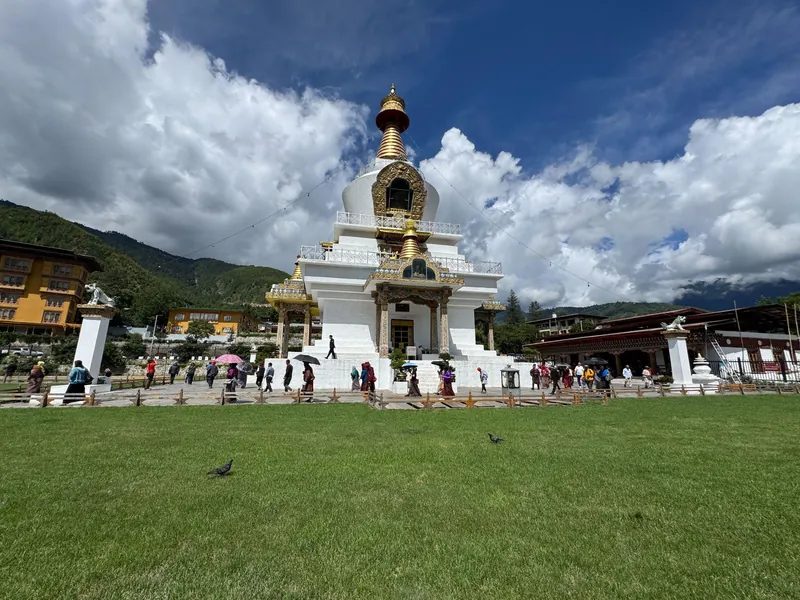
Thimphu is a practical destination during the monsoon because it offers a good mixture of indoor and outdoor attractions. You can visit Buddha Dordenma, Tashichho Dzong, the National Memorial Chorten, the Royal Textile Academy and traditional craft workshops.
Schedule viewpoints, short hikes and outdoor visits during the morning. Keep museums, weaving centres, handmade paper workshops and cafés available for rainy afternoons.
A lightweight waterproof jacket is usually more useful than a warm coat. You may still appreciate a thin jumper after rain or during a misty evening.
Weather in Punakha in July
Punakha is hot, humid and wet in July. Average temperatures range from 20.5°C at night to 30.4°C during the day.
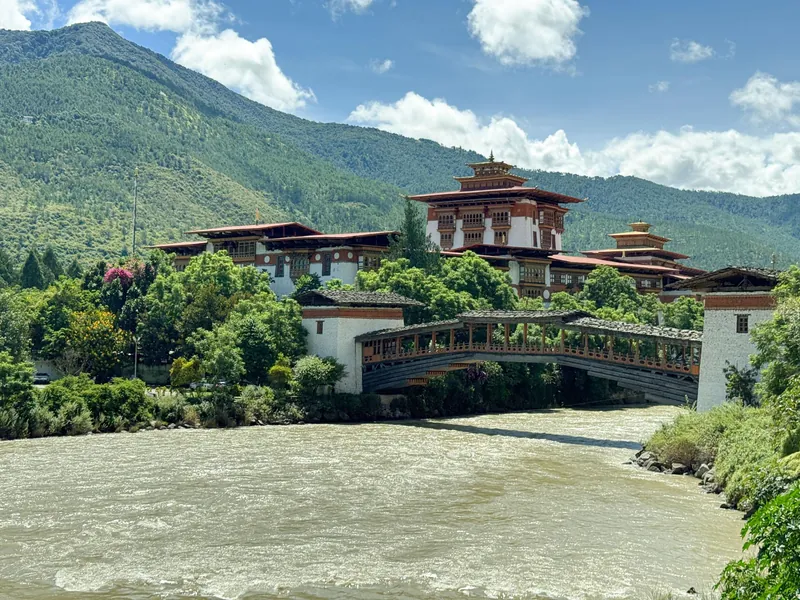
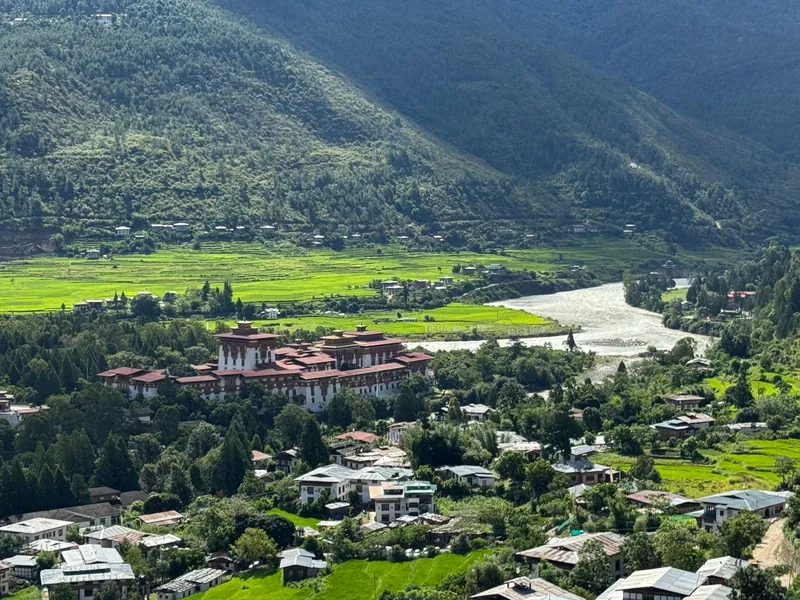
The valley receives significantly more rain than Bhutan's higher destinations. Rivers carry a greater volume of water, rice fields are intensely green and the surrounding vegetation becomes dense.
Punakha Dzong remains impressive during the monsoon, particularly when clouds gather over the surrounding hills. The covered interiors also provide some shelter during a passing shower.
The hike to Khamsum Yulley Namgyal Chorten may be difficult after heavy rain. The route crosses fields and uneven paths that can become muddy and slippery.
Rafting depends on river levels and current safety conditions. Do not assume that more water makes rafting suitable. Activities should only proceed after assessment by a licensed local operator.
Mosquitoes and other insects are more active during July. Use insect repellent and wear breathable long sleeved clothing in the evening.
Weather at Dochula Pass in July
Dochula Pass frequently experiences cloud, mist and rain in July.
The pass sits at 3,100 metres, where conditions are much cooler than in Punakha. Himalayan views are uncommon during persistent monsoon clouds, although a brief clearing can still occur.
Mist surrounding the 108 Druk Wangyel Chortens creates an atmospheric scene, but it can reduce road visibility. Journeys across the pass may take longer as drivers proceed carefully.
Carry a light jumper and waterproof jacket. Strong wind and rain can make the pass feel cold despite the warm weather in the valleys below.
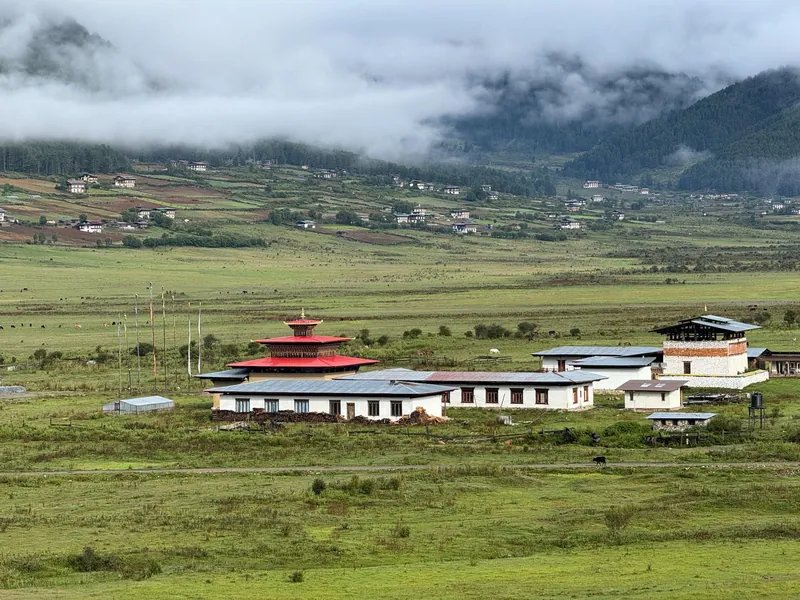
Weather in Gangtey and Phobjikha Valley in July
Gangtey remains cool in July, with average daytime temperatures of 19°C and night time temperatures of 11°C.
Phobjikha Valley is exceptionally green during the monsoon. Meadows, potato fields and pine forests cover the valley, often disappearing into mist and low cloud.
The Gangtey Nature Trail may be accessible between showers, but wet ground can make the route muddy and slippery. Leeches may also appear along forested sections.
The black-necked cranes are not present during July. They generally return to the valley from late October or November.
A waterproof jacket, walking shoes and a light warm layer are essential. It can feel cool during prolonged rain, particularly in the evening.
Weather in Bumthang in July
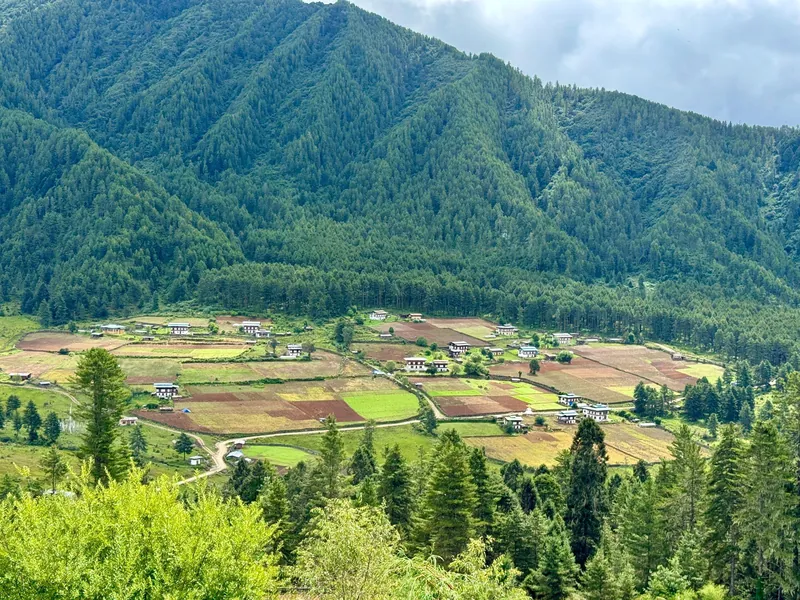
Bumthang experiences average temperatures between 13.6°C at night and 24.1°C during the day.
The region is cooler than Punakha and eastern Bhutan. Its valleys are green, while the temples and villages take on a quieter atmosphere during the wet season.
Bumthang may receive less rain than some parts of western Bhutan, although July is still wet. Short walks between temples may be possible during breaks in the weather.
The journey to Bumthang requires crossing several mountain passes. Rain, fog, roadworks and small landslides may extend travel times.
If a festival such as Kurjey Tshechu or Nimalung Tshechu falls in July, it can provide a strong cultural reason to visit central Bhutan. Festival dates change each year according to the Bhutanese lunar calendar.
Does it rain every day in Bhutan in July?
Rain is very frequent in July, but the duration and intensity vary.
Some days bring short afternoon or evening showers. Others may include several hours of rain or prolonged wet conditions. Dry periods can still occur between showers.
Rainfall also differs by region. Punakha and southern Bhutan generally receive more rain than higher central valleys. Bumthang may experience relatively lighter conditions, but it should not be considered dry.
You should plan for rain on any day of a July journey, even if the morning begins with blue sky.
Is July the wettest month in Bhutan?
July is generally one of the wettest months in Bhutan, together with August.
The exact wettest period varies by location and year. Southern districts and lower valleys receive much heavier monsoon rain than high mountain areas.
Rainfall can cause local flooding, landslides, falling rocks and road delays. These conditions do not affect every journey, but they are important considerations when planning a longer overland itinerary.
Does it rain all day in Bhutan in July?
It does not always rain for the entire day. Many July days include dry periods, particularly during the morning.
However, it would be inaccurate to expect only a short shower every day. Monsoon systems can produce sustained rain, and conditions may remain cloudy after the rain stops.
A flexible itinerary is more important than trying to predict the weather several weeks in advance.
Is July a good time to visit Bhutan?
July can be a good time to visit Bhutan if you enjoy green scenery, fewer visitors and a slower pace.
It is particularly suitable for:
- Cultural sightseeing
- Green rice terraces
- Waterfalls and rivers
- Monsoon photography
- Traditional craft experiences
- Museums and monasteries
- Wellness retreats
- Travellers who prefer fewer visitors
- Travellers comfortable with rain
July is less suitable for:
- Clear Himalayan views
- High altitude trekking
- Tight road itineraries
- Travellers who dislike humidity
- Travellers who require predictable weather
A journey focused on Paro and Thimphu is easier to manage than an ambitious trip across central and eastern Bhutan. Punakha can still be included, but outdoor activities may require adjustment.

Planning a Bhutan Trip in July?
July reveals Bhutan at its greenest, but the monsoon calls for a carefully paced itinerary. Let our Bhutan travel specialists plan suitable hotels, activities and travel times with enough flexibility for changing weather.
Best things to do in Bhutan in July
Explore Bhutan's cultural sites
Dzongs, temples, monasteries and museums remain central to a July itinerary. Visits can be rearranged according to the rain.
See the rice terraces
Rice fields in Punakha and other lower valleys become vividly green during the monsoon. Farming activity offers a different perspective on Bhutanese rural life.
Photograph misty valleys
Cloud, rain and mist create atmospheric views of monasteries, forests and traditional villages.
Experience a traditional hot stone bath
A hot stone bath is particularly comforting after a wet day of sightseeing.
Visit traditional craft workshops
Thimphu's textile, paper making, painting and weaving centres provide meaningful indoor experiences.
Explore local markets
Summer markets offer fresh vegetables, chillies, herbs and seasonal produce grown by Bhutanese farmers.
Attend a summer festival
Some festivals in Bumthang and other regions may fall in July. Check the calendar for your intended travel year.
Enjoy a slower hotel stay
July is well suited to spa treatments, meditation, reading and unhurried time at a lodge overlooking the valley.
Can you trek in Bhutan in July?
July is not recommended for most high altitude treks.
Frequent rain can create:
- Muddy and slippery trails
- Swollen rivers and streams
- Leeches
- Poor mountain visibility
- Uncomfortable camping conditions
- Greater landslide risk
- Delays reaching trailheads
Short walks remain possible when conditions are suitable. Options may include:
- Tiger's Nest Monastery
- Gangtey Nature Trail
- Khamsum Yulley Namgyal Chorten
- Short hikes around Thimphu
- Village walks in Punakha
- Cultural walks in Bumthang
Do not continue along exposed or unstable trails during heavy rain or thunderstorms.
What to wear in Bhutan in July
July calls for breathable clothing, reliable rain protection and footwear with strong grip.
Pack the following:
- Lightweight short sleeved tops
- Breathable long sleeved shirts
- Quick drying trousers
- Lightweight jumper
- Waterproof jacket
- Compact umbrella
- Waterproof walking shoes
- Shoes with strong grip
- Spare socks
- Modest clothing for religious sites
- Hat
- Sunglasses
- Sunscreen
- Insect repellent
- Waterproof day bag cover
- Dry bags for electronics and documents
- Small towel
- Moisturiser and lip balm
Avoid denim and heavy cotton during outdoor activities. These materials become uncomfortable and take a long time to dry.
A light jumper is useful in Gangtey, Bumthang and at high mountain passes. Punakha and eastern Bhutan require lighter clothing because of the heat and humidity.
Practical tips for visiting Bhutan in July
Plan outdoor activities for the morning
Mornings often provide the best chance of lighter rain and improved visibility. Complete walks and viewpoints as early as practical.
Keep your itinerary flexible
Activities may need to move from one day to another. Avoid treating every scheduled stop as fixed.
Avoid tight road schedules
Rain, fog, roadworks and landslides can affect mountain roads. Include enough time for safe travel.
Stay in Paro before departure
Spend your final night in Paro rather than travelling from Punakha or Thimphu on the day of your flight.
Protect important belongings
Store passports, cameras, medication and electronic devices inside waterproof pouches.
Carry dry footwear
Wet shoes may not dry overnight. A spare pair is useful for hotel evenings and cultural visits.
Use insect and leech protection
Apply insect repellent and wear covered shoes with long socks on forest trails.
Check river conditions
Do not approach fast flowing rivers or attempt rafting without approval from a qualified local operator.
Monitor road updates
Your guide and driver should check road conditions before longer journeys, particularly towards Gangtey, Trongsa and Bumthang.
Choose comfortable accommodation
A hotel with good heating, ventilation and drying facilities makes wet weather much easier to manage.
Frequently asked questions about Bhutan in July
Is Bhutan hot in July?
July is warm across most of Bhutan. Punakha and eastern Bhutan can be hot and humid, while Gangtey and Bumthang remain cooler.
Does it rain a lot in Bhutan in July?
Yes. July is one of Bhutan's wettest months. Rain may be brief on some days and prolonged on others.
Can I hike to Tiger's Nest in July?
Yes, if weather and trail conditions are suitable. Begin early and avoid hiking during heavy rain or thunderstorms.
Can I see the Himalayas in July?
Himalayan views are less reliable because of monsoon cloud. A brief clear period may occur, particularly in the morning.
Are Bhutan's roads open in July?
Most major roads remain open, but landslides, falling rocks, fog and road maintenance can cause temporary closures or delays.
Are flights affected by the monsoon?
Flights may be delayed when cloud, wind or poor visibility affects Paro International Airport. Rain alone does not necessarily stop flights.
Is July suitable for trekking?
July is not recommended for most extended treks. Short walks may still be completed during suitable weather.
Are there leeches in Bhutan in July?
Leeches can appear on wet forest trails during the monsoon. Covered shoes, long socks and suitable repellent are helpful.
Is July crowded in Bhutan?
July is quieter than the main spring and autumn seasons. Specific festivals may attract more visitors to certain regions.
Can families visit Bhutan in July?
Yes. Choose a slower itinerary, avoid long drives and include indoor activities that can be used during heavy rain.
Is July the Right Month for Your Bhutan Trip?
July suits travellers who do not mind rain and want to see Bhutan at its greenest. Rice fields cover the valleys, waterfalls flow at full strength and mist creates a more atmospheric view of the mountains.
The trade off is less predictable weather. Himalayan views may be hidden, trails can become slippery and road journeys may take longer.
Keep the route simple, stay longer in each destination and schedule outdoor activities during the morning. With good rain protection and a flexible itinerary, July can reveal a side of Bhutan that most visitors never see.
