Tucked away from the well-trodden Himalayan trails and the popular tourist routes of Paro, Thimphu and Punakha lies a region of Bhutan that few travellers venture into—Southern Bhutan. A captivating contrast to the chilly highlands and fortress-dotted valleys of the north, this lesser-known frontier offers a lush, tropical experience teeming with biodiversity, vibrant cultures, and untold stories. If you're craving a journey that breaks away from the usual postcard clichés, then Southern Bhutan might just be your next great discovery.
A Tapestry of Diverse Landscapes
Southern Bhutan stretches along the foothills of the Himalayas, bordering the Indian states of Assam and West Bengal. The altitude here ranges from 200 to 1,500 metres above sea level, making the climate warm and humid year-round—a far cry from the alpine terrain of the north. Think emerald-green forests, swaying bamboo groves, rice paddies, orange orchards, and snaking rivers that give way to remote settlements and thriving market towns.
Because of its subtropical setting, Southern Bhutan is home to some of the country’s richest biodiversity. National parks like Royal Manas and Phibsoo Wildlife Sanctuary protect species like golden langurs, Asian elephants, hornbills, and the elusive Bengal tiger. Bird watchers and nature lovers will feel like they’ve stumbled into paradise.
Gateway Districts and Towns
Let’s explore the key districts that make up this intriguing slice of Bhutan:
Samtse
A peaceful town with a strong Lhotshampa (Nepali-speaking Bhutanese) presence, Samtse is known for its vibrant Hindu culture, colourful temples, and scenic landscapes. It’s also where you can witness the harmony of multiple ethnicities living side by side—a beautiful reflection of Bhutan’s inclusive social fabric.
Chukha
The commercial heartbeat of Southern Bhutan, Chukha is famed for the Chukha Hydropower Project—one of Bhutan’s earliest and most significant hydropower ventures. The bustling border town of Phuentsholing, located in this district, is the main land entry point into Bhutan and offers a dynamic blend of Bhutanese and Indian influences. While it may lack traditional monuments, its vibrant markets, multicultural cuisine, and charmingly chaotic energy provide a taste of everyday Bhutanese life.
Dagana
Dagana remains one of Bhutan’s most offbeat districts. It’s primarily inhabited by the Lhotshampa and the indigenous Doya (or Lhop), who are considered the aboriginal people of Bhutan. Visitors here often find themselves immersed in untouched nature and authentic rural experiences. Don’t be surprised if you're the only tourist around!
Tsirang
Often dubbed the 'agricultural paradise' of Bhutan, Tsirang enjoys a temperate climate perfect for farming. The area is dotted with cardamom fields, citrus orchards, and organic farms. The capital, Damphu, is a scenic hill town offering lovely viewpoints and a laid-back rhythm of life. It’s also an ideal place to learn about Bhutan's organic farming revolution.
Sarpang
This border district is a key economic zone and a melting pot of Bhutan’s ethnic groups. Sarpang town itself is mostly a transit hub, but nearby Gelephu is evolving into a significant tourism gateway thanks to the ambitious Gelephu Mindfulness City project—a visionary, sustainable development meant to promote wellness, innovation, and spiritual growth.
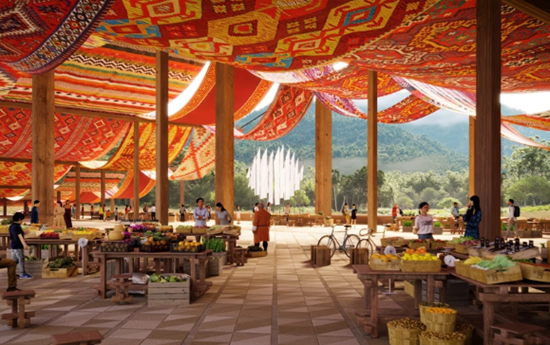
Zhemgang
Technically a central district, Zhemgang has strong ties to the south due to its geographic and cultural overlap. Known for its remoteness and pristine wilderness, Zhemgang is one of the best regions for community-based eco-tourism and birdwatching. The area is also culturally rich, with ancient animist traditions blending seamlessly with Buddhism.
Must-See Highlights in Southern Bhutan
-
Royal Manas National Park: Bhutan’s oldest national park and part of a transboundary conservation area with India, Royal Manas is a sanctuary for over 365 bird species, Bengal tigers, clouded leopards, and golden langurs. Travellers can take part in river safaris, nature treks, and local homestays that promote eco-tourism.
-
Tashicholing Palace (Namgay Choling) in Samtse: Once a royal residence, this hilltop site offers views, serenity, and a sense of historical importance. Though not as grand as the dzongs in central Bhutan, it holds cultural significance for locals.
-
Dantak Canteen in Phuentsholing: An unlikely but popular pitstop, this Indian Army-run canteen is a favourite among Bhutanese and Indian travellers for its snacks, sweets, and nostalgic roadside atmosphere.
-
The Floating Bridge in Gelephu: A beautiful pedestrian bridge made from interwoven cane and bamboo, offering insight into local craftsmanship and river ecology.
-
Lungta Prayer Flag Valleys: Dotting the hills of Tsirang and Sarpang, you'll find stretches of multicoloured prayer flags fluttering over ridges—less touristy, more spiritual.
Culture & Festivals
Southern Bhutan's cultural makeup is a unique blend of Lhotshampa (Nepali-origin Bhutanese), Doya (Lhop), and various eastern Bhutanese communities. Hindu temples and Buddhist monasteries coexist peacefully here, often participating in each other's rituals. The annual Gomphu Kora Festival and Tali Dratshang Tshechu are wonderful cultural experiences, showcasing traditional dances, spiritual blessings, and local cuisine in settings far from tourist crowds.
One of the most fascinating communities here are the Lhop people, considered the earliest inhabitants of Bhutan. They practice animism, maintain matriarchal societal elements, and have customs that pre-date mainstream Bhutanese traditions. Meeting them offers a glimpse into Bhutan’s anthropological depths.
Off the Beaten Path Adventures
Bamboo Rafting and River Safaris in the Manas and Sunkosh rivers
Ethnographic Walks in Lhop and Lhotshampa villages
Organic Farm Tours in Tsirang and Dagana
Cultural Photography along border towns and monastic schools
Biodiversity Treks in Royal Manas and Phibsoo reserves
Getting There and Around
Most travellers enter Southern Bhutan via the Phuentsholing border, which connects to Indian towns like Jaigaon, Siliguri and Kolkata. Domestic flights to Gelephu Airport are available, though infrequent. The roads in this region are decent by Bhutanese standards, but do expect winding mountain passes and occasional landslides during monsoon season.
It’s best to explore Southern Bhutan with a licensed tour operator, especially if you plan to visit remote villages or engage in eco-tourism activities. Not only is it required by Bhutan’s tourism laws, but having a knowledgeable local guide makes a world of difference here.
Why Visit Southern Bhutan?
Southern Bhutan isn’t about majestic dzongs or snow-capped peaks. It’s about lush forests, untamed rivers, and living traditions untouched by mass tourism. It’s the Bhutan that locals know—a Bhutan that’s warm, wild, and rich in diversity. Whether you’re a nature enthusiast, a culture seeker, or a traveller looking to go beyond the ordinary, this region will reward you with raw authenticity.
So if you're after a Bhutan that pulses with green energy, where every bend in the road reveals a new face of the country, head south. Southern Bhutan is not just a detour—it’s a destination in its own right.