 Druk Asia
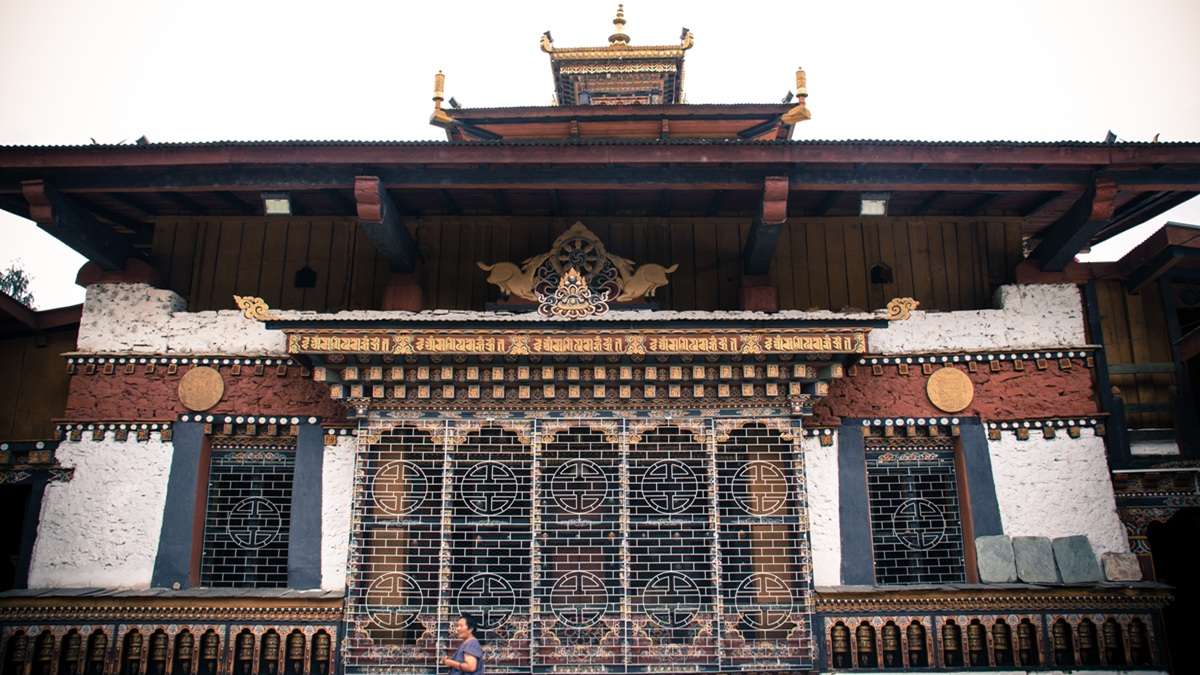
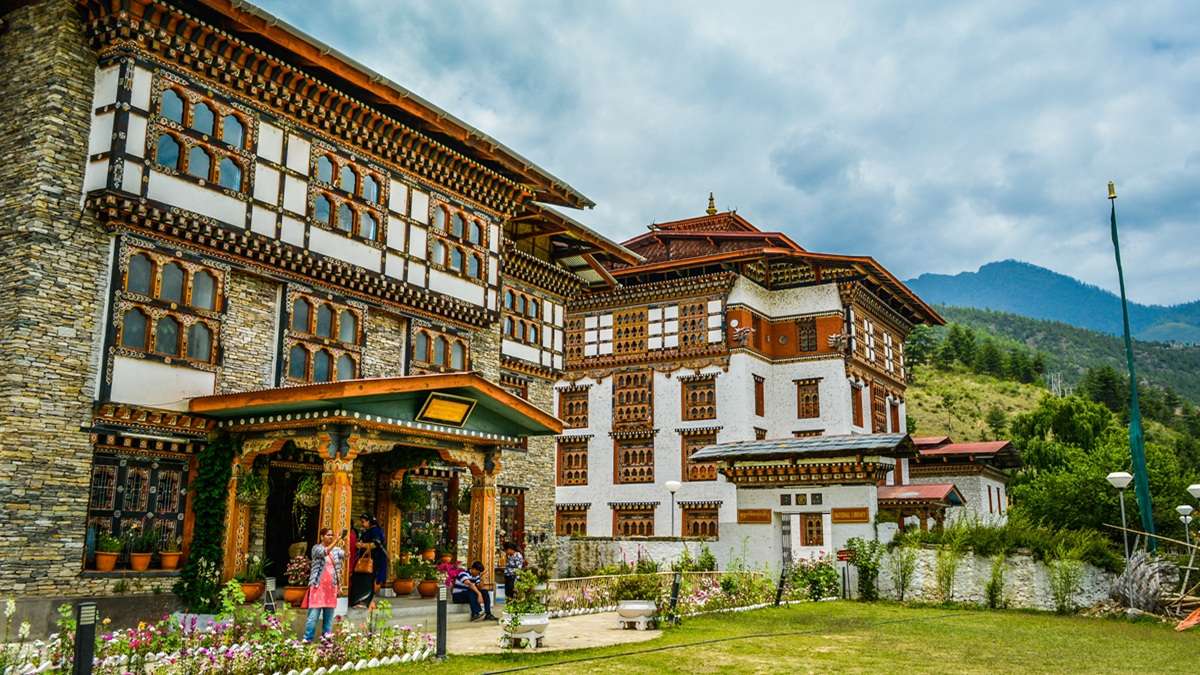
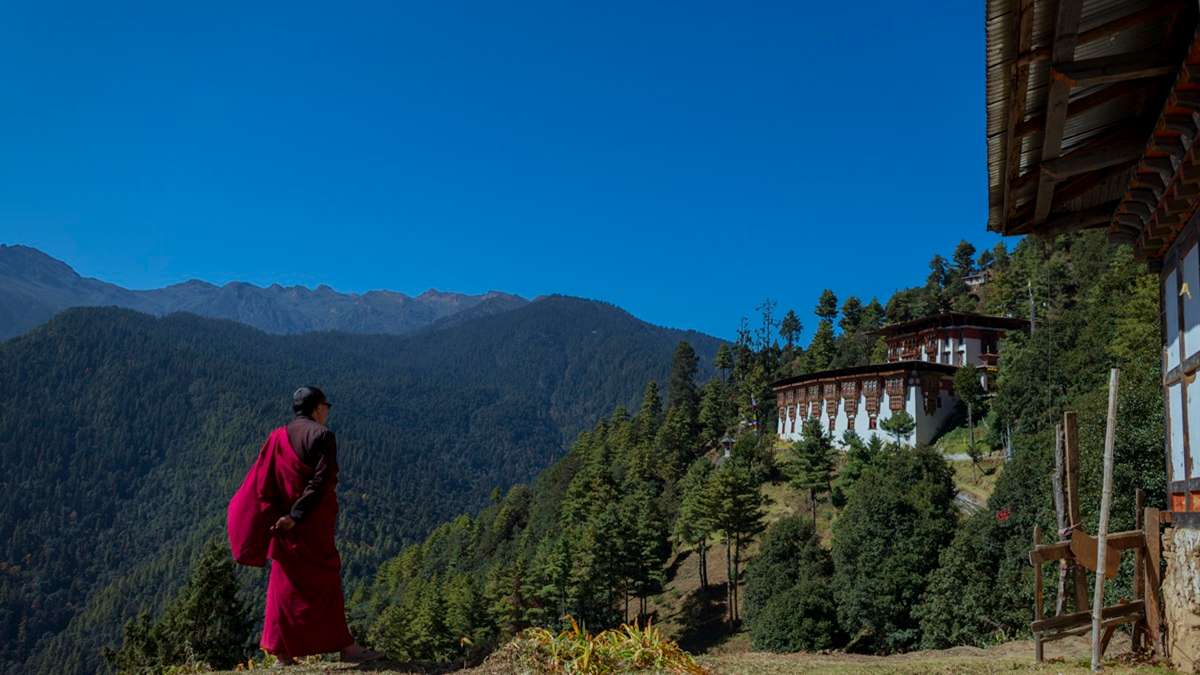
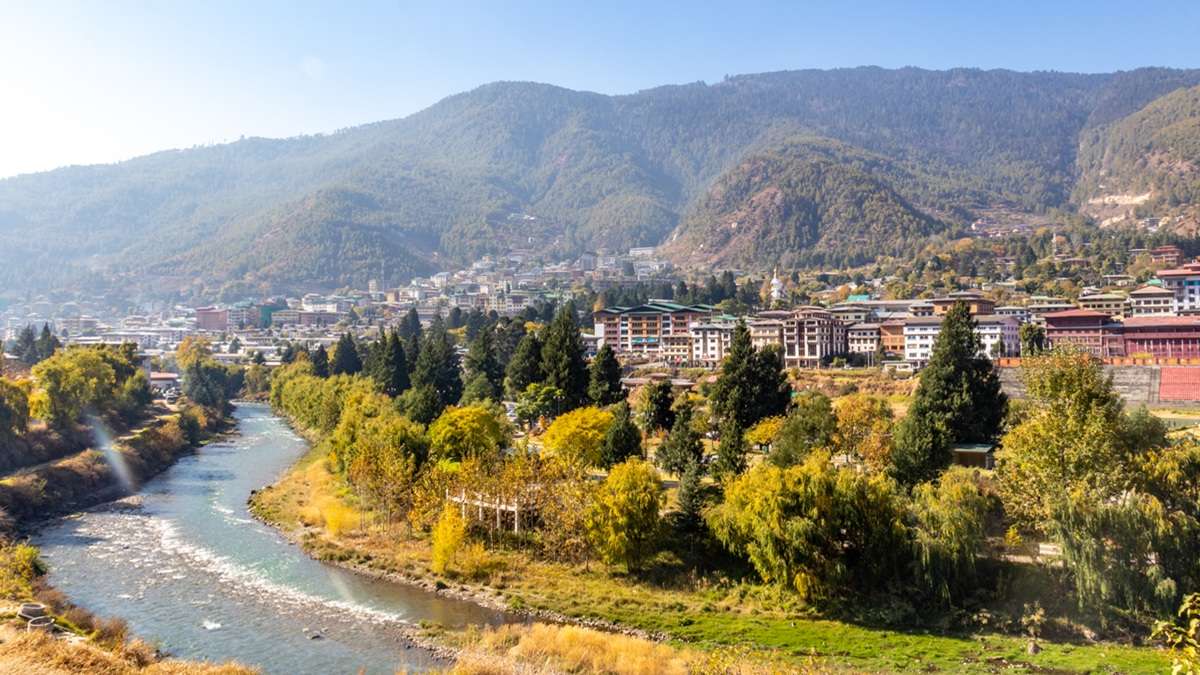
At 2,334 meters above sea level, Thimphu is the capital city of Bhutan and the country's cultural, political, and spiritual center. Unlike most capital cities in Asia, Thimphu has no traffic lights, no large commercial districts, and no high-rise skyline. Instead, visitors find monasteries, traditional Bhutanese architecture, mountain views, prayer flags, artisan workshops, and a calm pace of life that reflects Bhutan's focus on culture and wellbeing.
If you're planning a Bhutan trip, Thimphu is one of the best places to experience modern Bhutanese life while still enjoying the country's deep Buddhist traditions and Himalayan scenery. Beyond the monasteries and landmarks, the city offers a closer look at everyday Bhutanese life, making it an important stop for first-time visitors, cultural travelers, and those looking for a slower, more thoughtful journey through Bhutan.
Why Visit Thimphu?
Thimphu offers a different side of Bhutan compared to Paro and Punakha.
The city combines:
-
Buddhist culture and modern Bhutanese lifestyle
-
Historic monasteries and contemporary cafés
-
Traditional arts and local markets
-
Scenic mountain landscapes and comfortable travel experiences
Many travelers describe Thimphu as one of the few capital cities in the world that still feels peaceful and deeply connected to its traditions. Most visitors spend 2 to 3 nights in Thimphu as part of a Bhutan tour.
Best Places to Visit in Thimphu
Check out our full guide to the top places to visit in Thimphu for an in-depth roundup.
Buddha Dordenma
Bhutan's Giant Buddha Statue
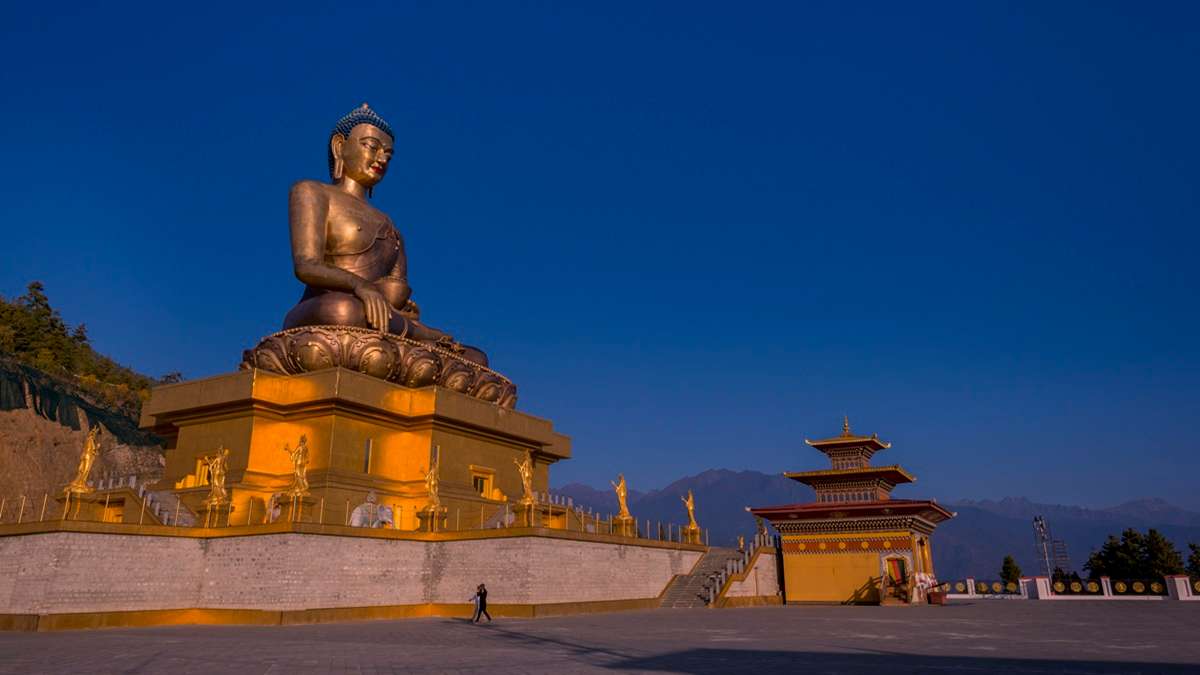
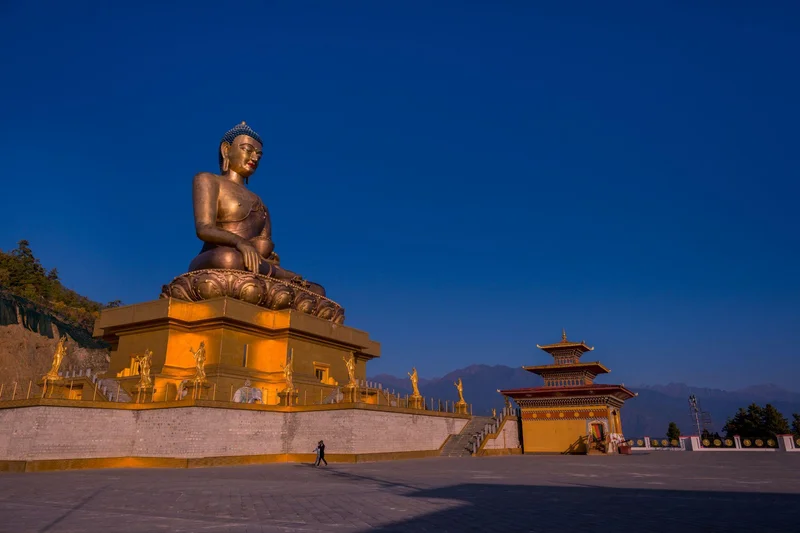
Buddha Dordenma is one of the most famous attractions in Bhutan and one of the largest Buddha statues in the world. Located on a hill overlooking Thimphu Valley, the statue offers panoramic views of the city and surrounding mountains. The peaceful setting makes it one of the best places in Thimphu for photography, meditation, and quiet reflection.
Inside the statue are thousands of smaller Buddha statues, making it an important spiritual site for both locals and visitors.
Best time to visit:
-
Early morning for softer light and fewer crowds
-
Late afternoon for sunset views over Thimphu Valley
Tashichho Dzong
The Fortress of Bhutan's Government and Monastic Body
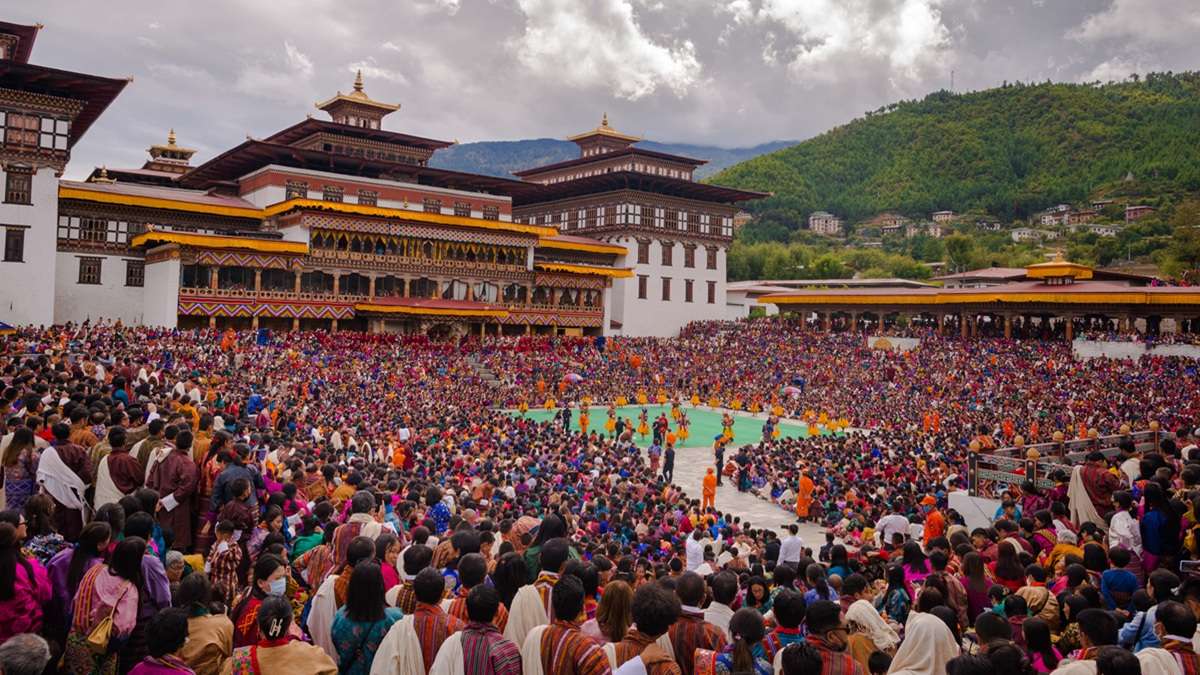
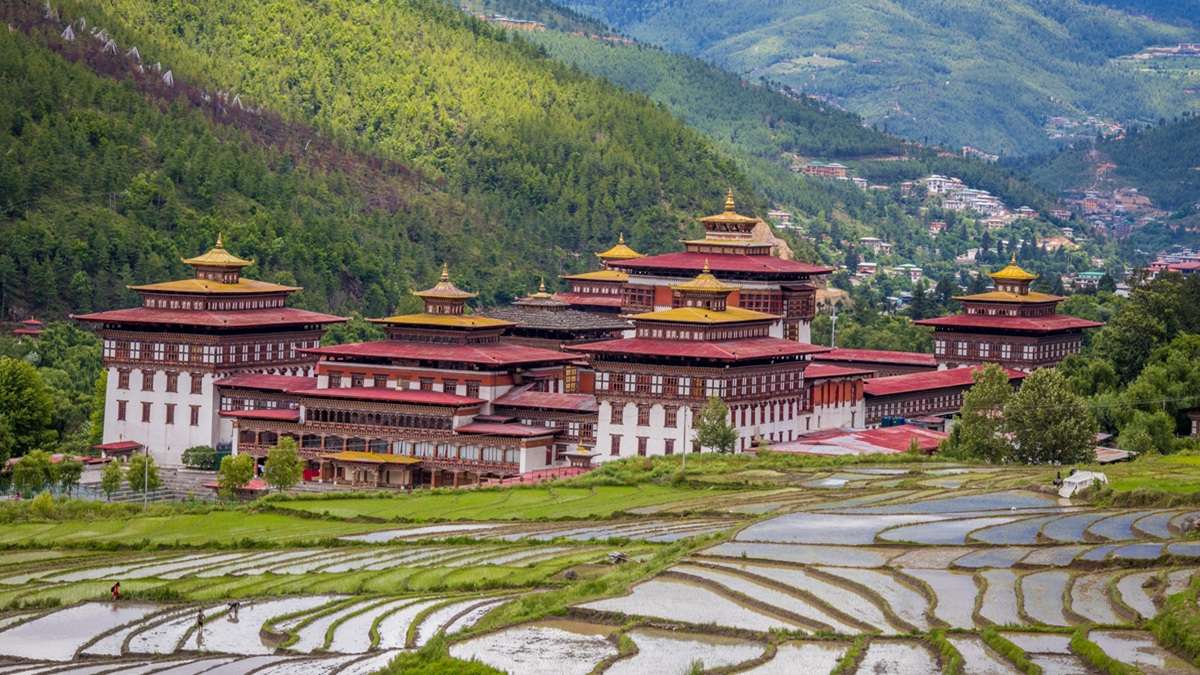
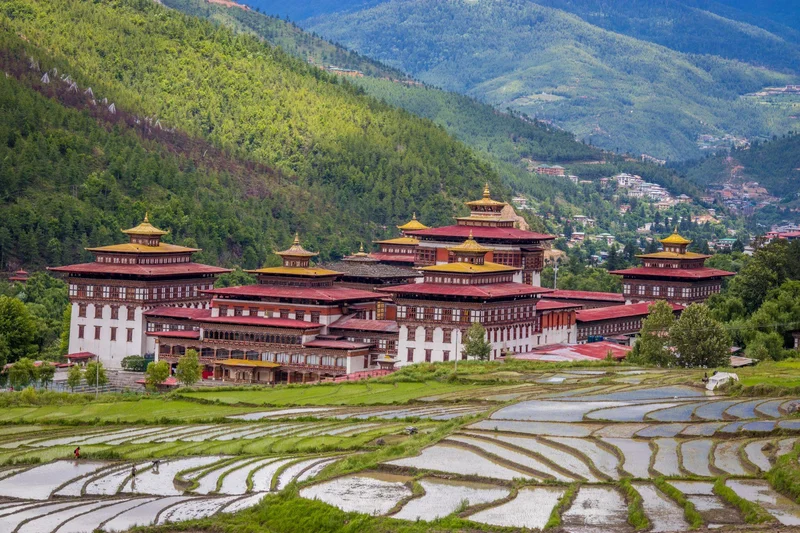
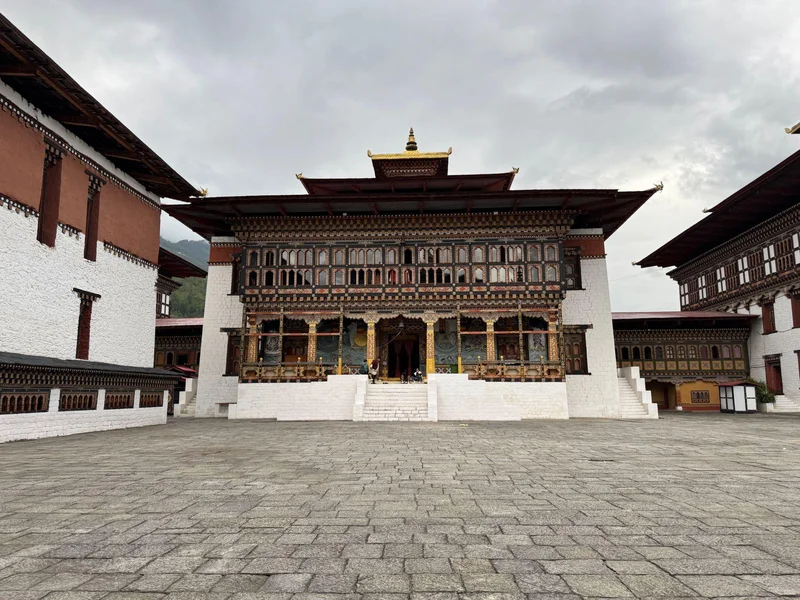
Tashichho Dzong is one of the most important landmarks in Bhutan. The fortress houses the throne room, government offices, and the central monastic body. Built in traditional Bhutanese style, the dzong features whitewashed walls, golden roofs, detailed woodwork, and peaceful courtyards.
The area around the Wang Chhu River is especially scenic during the evening when the dzong is illuminated against the mountains.
Why visit:
-
Learn about Bhutanese governance and Buddhism
-
Experience traditional Bhutanese architecture
-
Visit one of Bhutan's most photographed landmarks
Memorial Chorten
One of the Most Spiritual Places in Thimphu
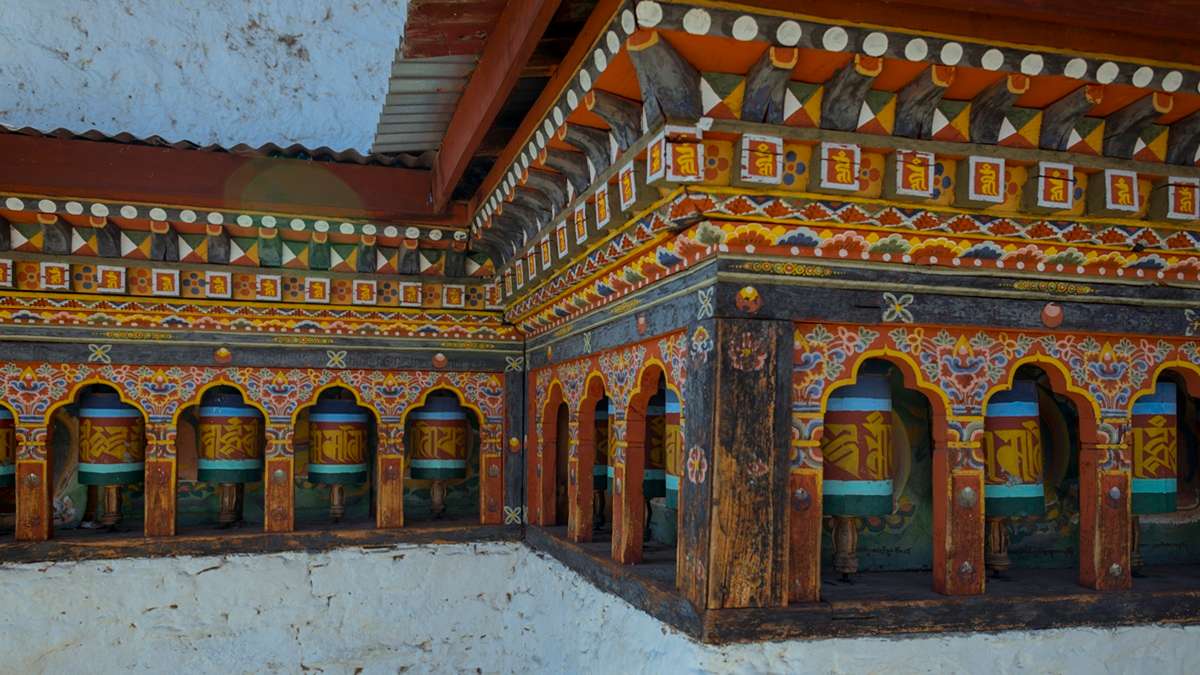
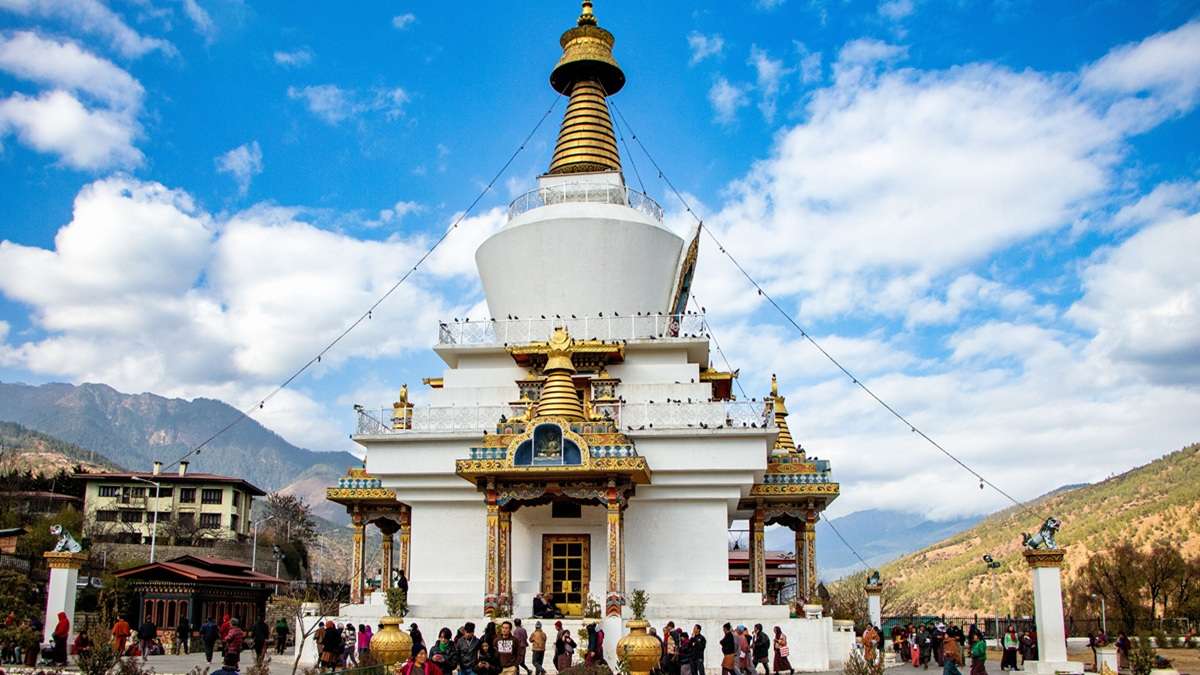
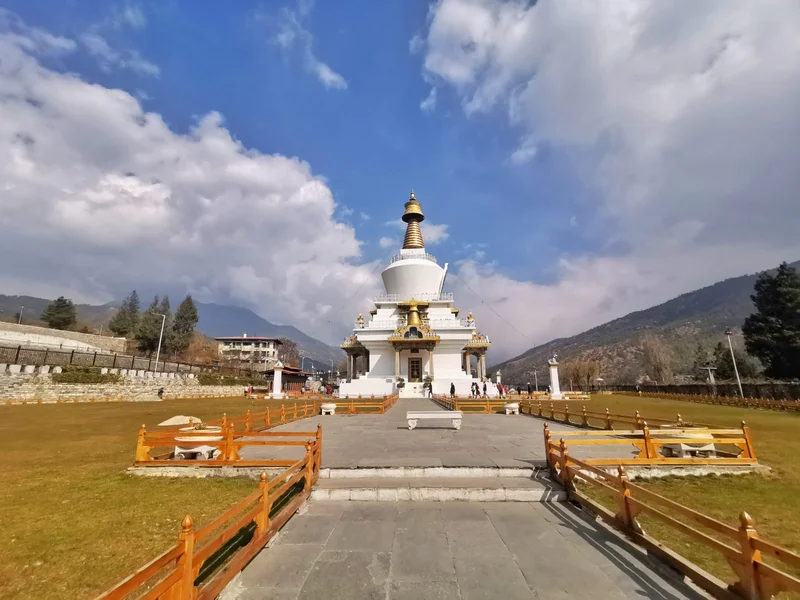
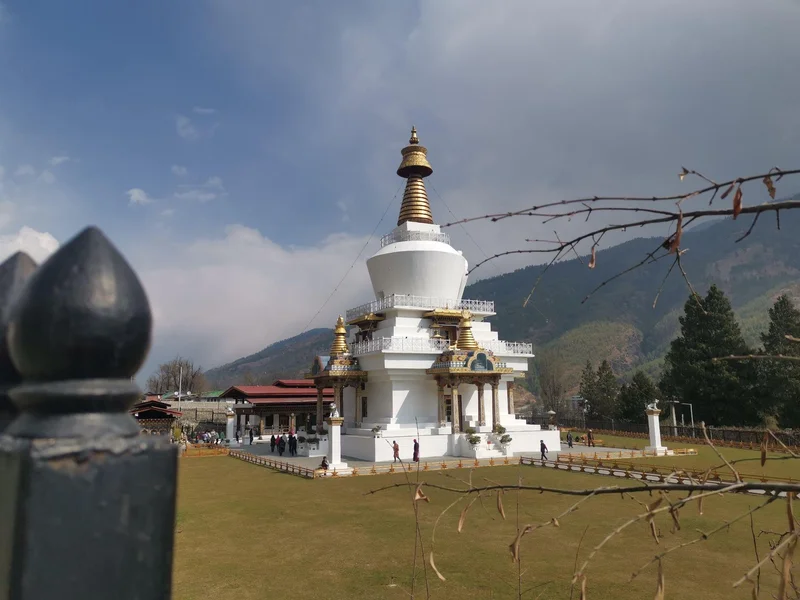
The Memorial Chorten is one of the most visited religious landmarks in Bhutan. Local Bhutanese residents gather here daily to pray, spin prayer wheels, and perform devotional rituals. For travelers, it offers one of the most authentic glimpses into everyday spiritual life in Bhutan.
The atmosphere is calm, welcoming, and deeply cultural.
National Institute for Zorig Chusum
Bhutan's Traditional Arts and Crafts School
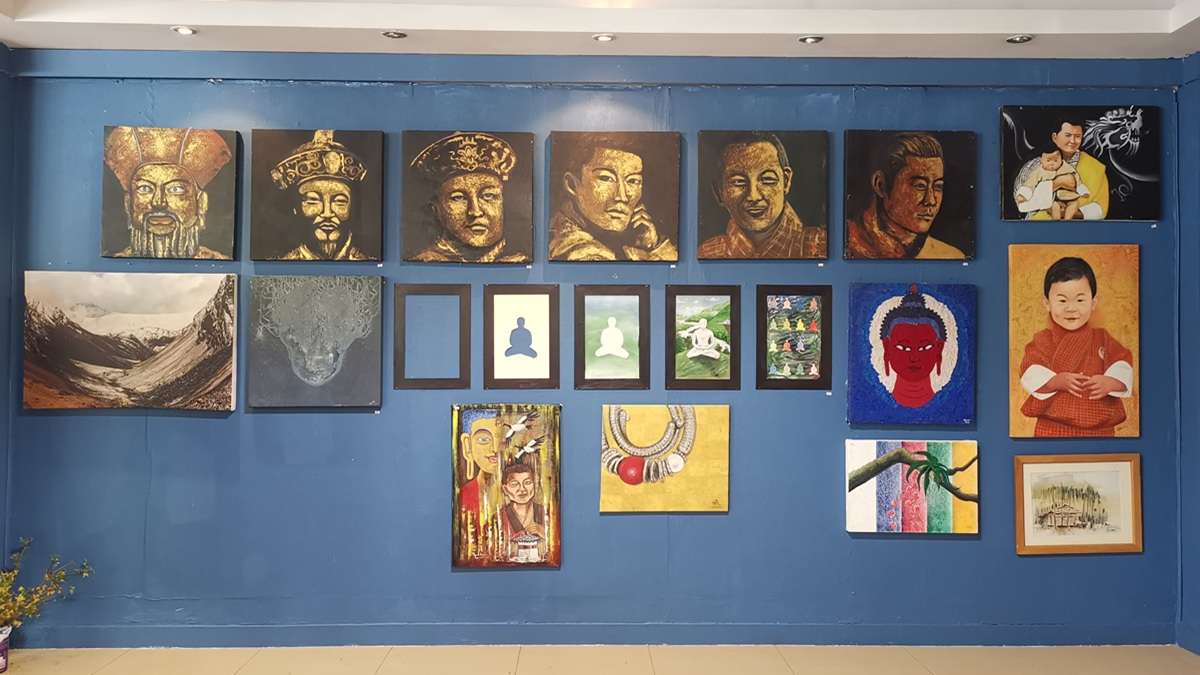
National Institute of Zorig Chusum, often called the Arts and Crafts School, this institute preserves Bhutan's thirteen traditional arts.
Visitors can observe students practicing:
-
Thangka painting
-
Wood carving
-
Embroidery
-
Sculpture
-
Traditional Bhutanese craftsmanship
It is one of the best cultural experiences in Thimphu for travelers interested in Bhutanese heritage.
Folk Heritage Museum
Learn About Traditional Bhutanese Life
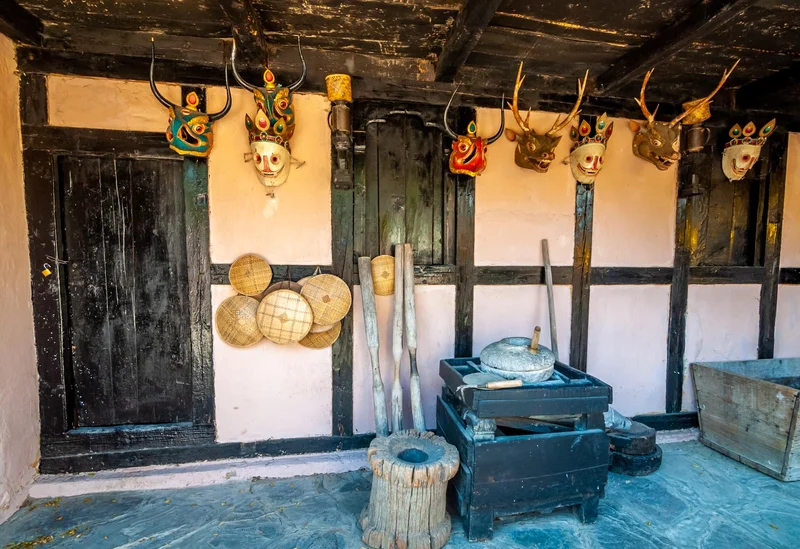
The Folk Heritage Museum showcases traditional Bhutanese rural living, including:
-
Farming tools
-
Traditional kitchens
-
Bhutanese architecture
-
Family life and customs
This museum helps travelers better understand Bhutan beyond monasteries and scenic landscapes.
Simply Bhutan
Experience Bhutanese Culture in One Place
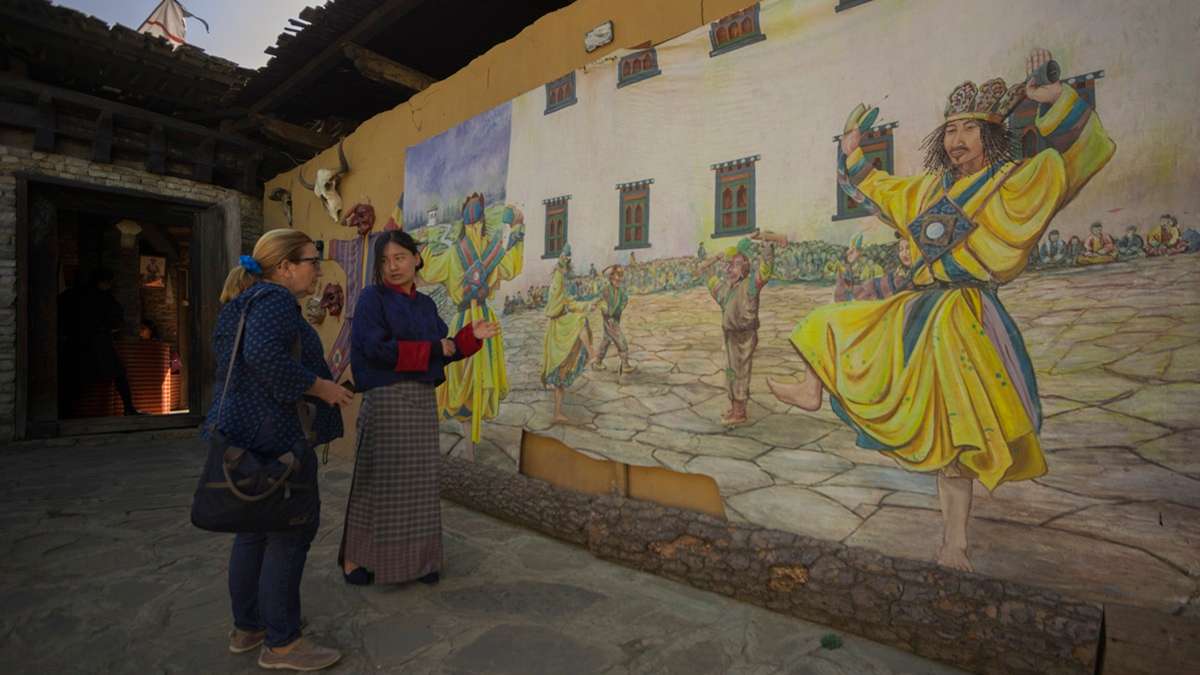
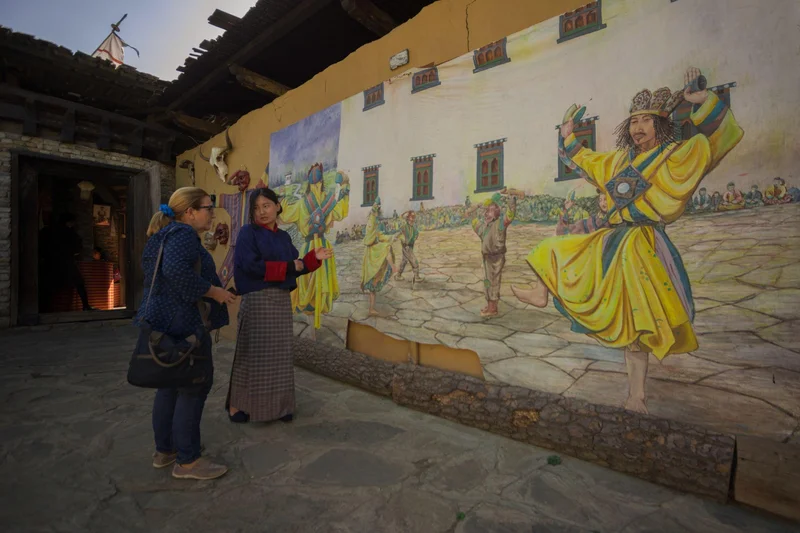
Simply Bhutan is one of the most interactive cultural attractions in Thimphu and offers visitors a fun and accessible introduction to traditional Bhutanese life. Designed as a living heritage museum, Simply Bhutan recreates a traditional Bhutanese village experience where travelers can explore local customs, architecture, crafts, food, and daily life in a hands-on way.
Unlike a conventional museum, the experience is highly interactive and especially enjoyable for first-time visitors who want to better understand Bhutanese culture in a relaxed setting. You can also experience Bhutanese folk music and cultural performances, archery demonstrations, butter tea tasting and handmade crafts and artisan displays.
Things to Do in Thimphu
Explore the Local Market
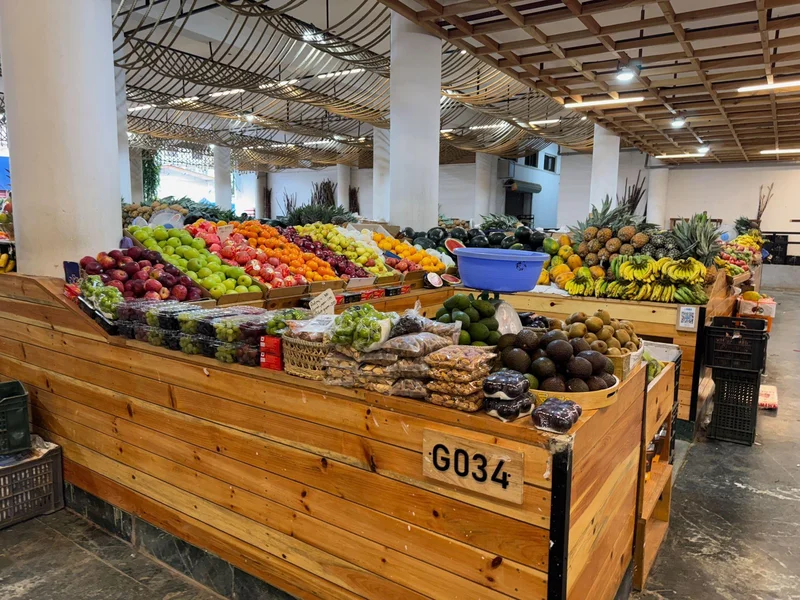
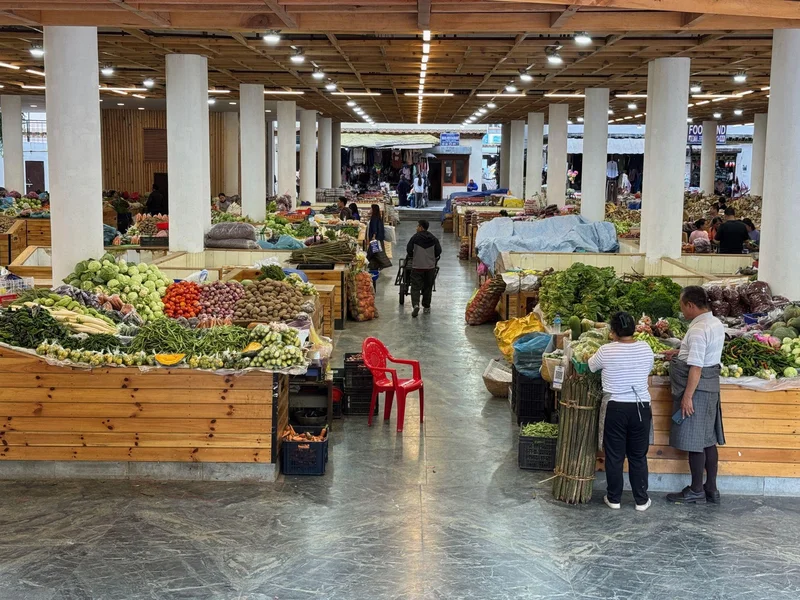
The Kaja Throm in Thimphu is one of the best places to experience local Bhutanese culture. The market combines fresh local produce, food stalls, artisan products, cafés, and community spaces in a modern Bhutanese setting. Farmers from across the country bring seasonal vegetables, fruits, spices, dairy products, and local specialties to the market daily.
Unlike the older weekend-only market experience, Kaja Throm is active throughout the week and has become a lively gathering space for both locals and visitors. Kaja Throm is also a great place for photography, casual walks, and experiencing a more local side of Thimphu beyond monasteries and museums.
Watch Traditional Bhutanese Archery
Archery is Bhutan's national sport and remains an important social tradition. Matches often include music, celebrations, dancing, and friendly competition, making it a fun cultural activity for visitors.
Try Bhutanese Food
Thimphu has some of Bhutan's best restaurants and cafés. Popular dishes include:
-
Ema Datshi (chili and cheese)
-
Momos
-
Red rice
-
Buckwheat dishes
-
Traditional butter tea
Many restaurants also offer vegetarian and international dining options.
Where to Stay in Thimphu
Luxury Hotels in Thimphu
Amankora Thimphu
Amankora Thimphu is known for its quiet luxury, minimalist interiors, and peaceful pine forest surroundings. The property focuses on privacy, calm, and personalized experiences.
Le Méridien Thimphu
Located in the heart of the city beside the Wang Chchu River, Le Méridien Thimphu offers contemporary luxury with convenient access to Thimphu's main cultural attractions, cafés, and shopping areas. The hotel combines modern international comfort with Bhutanese-inspired design, making it a popular choice for travelers who prefer staying within the city center.
Six Senses Thimphu
Set within a peaceful pine forest above the valley, Six Senses Thimphu offers a wellness-focused luxury experience designed around privacy, nature, and mindfulness. Often described as a quieter retreat away from the city center, the lodge blends contemporary architecture with Bhutanese design and panoramic mountain views.
Pemako Thimphu
Pemako Thimphu combines elegant Bhutanese hospitality with modern luxury in a central yet peaceful part of the capital. Known for its refined interiors, wellness facilities, and personalized service, the hotel offers a comfortable base for travelers exploring Bhutan's cultural heart.
The Postcard Dewa
Located above the valley, The Postcard Dewa offers panoramic views, spacious suites, and a slower, wellness-oriented atmosphere.
Mid-Range Hotels in Thimphu
Popular mid-range hotels in Thimphu include:
These properties provide comfortable stays with convenient access to Thimphu's attractions and restaurants.
Best Time to Visit Thimphu, Bhutan
Spring (March to May)
Spring is one of the best times to visit Bhutan, with blooming flowers, comfortable weather, and clear mountain views.
Autumn (September to November)
Autumn brings crisp air, blue skies, and major Bhutanese festivals.
Winter (December to February)
Winter offers quieter travel experiences, fewer tourists, and peaceful monastery visits.
Summer (June to August)
Summer landscapes are lush and green, though rainfall is more common.

Most Popular Tour Packages with Visit to Thimphu
Frequently Asked Questions About Thimphu
Is Thimphu worth visiting?
Yes. Thimphu offers one of the best introductions to Bhutanese culture, spirituality, food, and modern local life.
How many days should I spend in Thimphu?
Most travelers spend 2 to 3 nights in Thimphu as part of a Bhutan itinerary.
Is Thimphu safe for tourists?
Bhutan is considered one of the safest countries in the world for travelers, and Thimphu is very safe for visitors.
Can you visit Thimphu without trekking?
Yes. Thimphu is ideal for travelers who want cultural experiences, scenic views, and gentle sightseeing without difficult trekking.
What is the altitude of Thimphu?
Thimphu sits at approximately 2,334 meters above sea level.
Plan Your Thimphu & Bhutan Trip with Druk Asia
As an official representative of Drukair, Druk Asia provides complete Bhutan travel services including:
-
Bhutan visa arrangements
-
Flight bookings
-
Custom Bhutan itineraries
-
Private guides and transport
-
Luxury and mid-range hotel bookings
-
Festival and cultural experiences
We help travelers experience Bhutan at a comfortable pace with personalized itineraries designed around culture, nature, spirituality, and meaningful travel.
