 Druk Asia
Best Time to Trek in Bhutan: Seasons, Weather and Trek Guide
The best time to trek in Bhutan is generally from March to May and from late September to November.
Spring brings flowering rhododendrons, milder daytime temperatures and colourful mountain landscapes.
Autumn usually brings clearer skies, excellent Himalayan views and cool walking conditions.
That does not mean every Bhutan trek follows exactly the same season.
A short trek such as Bumdra or Druk Path has a much wider window than a demanding route such as the Snowman Trek, where snow, high mountain passes and changing weather significantly affect when the journey is possible.
Winter can also be excellent for lower altitude trekking, while summer brings greener landscapes but more rain and clouds.
The right month therefore depends on which trek you want to do, how high you will climb and the kind of scenery you hope to see.
Table of Contents
1. Best Time to Trek in Bhutan at a Glance
3. Trekking in Bhutan in Spring
4. Trekking in Bhutan in Summer
5. Trekking in Bhutan in Autumn
6. Trekking in Bhutan in Winter
7. Bhutan Trekking Month by Month
8. Best Time for Popular Bhutan Treks
9. Best Time for the Druk Path Trek
10. Best Time for the Jomolhari Trek
11. Best Time for the Bumdra Trek
12. Best Time for the Dagala Thousand Lakes Trek
13. Best Time for the Snowman Trek
14. Which Trekking Season Should You Choose?
15. Weather and Temperature at Altitude
Best Time to Trek in Bhutan at a Glance
If you want the simplest answer:
- March to May: Excellent for spring trekking, rhododendrons and pleasant walking conditions.
- June to August: Wetter months with greener landscapes, cloud and more challenging trail conditions.
- Late September to November: Excellent for clearer skies, Himalayan views and major mountain treks.
- December to February: Cold at altitude but suitable for selected lower elevation treks and hikes.
For many first time trekkers, April, May, October and November are particularly attractive months.
The exact timing still depends on your route.
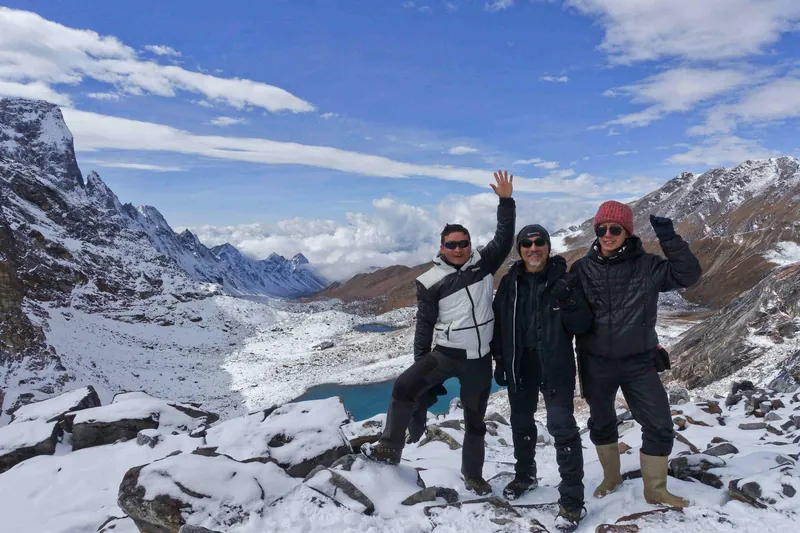
Check out the weather and temperatures in Bhutan.
Bhutan Trekking Seasons
Bhutan has four distinct seasons, and each creates a very different trekking experience.
| Season | Months | Trekking conditions | Best for |
| Spring | March to May | Mild days, flowers, occasional showers | Rhododendrons, nature, popular treks |
| Summer | June to August | Warmer, wetter, greener | Travellers comfortable with rain and quieter trails |
| Autumn | September to November | Cooler, generally clearer | Mountain views and higher altitude trekking |
| Winter | December to February | Cold, dry at lower elevations | Lower altitude treks and crisp winter landscapes |
Spring and autumn are the main trekking seasons, but choosing between them depends on what matters most to you.
Trekking in Bhutan in Spring
March to May
Spring is one of the best times for trekking in Bhutan.
As temperatures begin to rise, forests and valleys come alive with flowers and fresh vegetation.
Rhododendrons are one of the highlights. Depending on altitude and timing, you may walk through forests filled with pink, red and white blossoms.
Why trek in spring?
- Rhododendron flowering season
- Pleasant daytime temperatures
- Good conditions for many popular trekking routes
- Forests and valleys becoming increasingly green
- Excellent combination of trekking and cultural sightseeing
What should you expect?
March can still be cold at higher elevations.
Conditions generally become warmer through April and May, although mountain weather can always change quickly.
Cloud and occasional rain become more likely as you move towards the end of spring.
Best spring treks
Good options include:
- Druk Path Trek
- Jomolhari Trek
- Bumdra Trek
- Dagala Thousand Lakes Trek
- Laya Gasa Trek
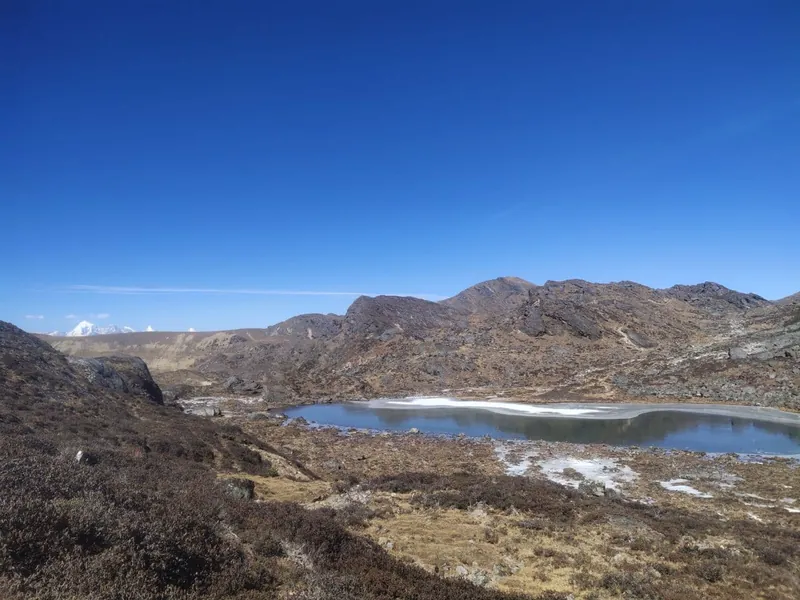
April and May are particularly attractive if flowers and forest scenery are important to you.
Trekking in Bhutan in Summer
June to August
Summer is Bhutan's wetter period.
Regular rainfall can make trails muddy and slippery, particularly at lower elevations.
Clouds can also obscure mountain views.
This does not mean outdoor travel stops completely.
The countryside becomes intensely green, valleys are lush and there are fewer trekkers on many routes.
Advantages of summer trekking
- Lush green landscapes
- Fewer visitors
- Dramatic clouds and changing light
- Rich forest scenery
Challenges
- Rain
- Muddy trails
- Reduced Himalayan visibility
- Leeches at some lower elevations
- Greater possibility of changes to trail conditions
Summer is usually not the first season we would choose for a first trekking holiday in Bhutan.
If your main goal is mountain scenery, spring or autumn generally gives you a better chance of favourable conditions.
Trekking in Bhutan in Autumn
September to November
Autumn is one of Bhutan's most popular trekking seasons.
As the summer rains ease, the air often becomes clearer and Himalayan visibility improves.
October is particularly popular for trekking because it combines cool walking conditions with some of the year's best chances of clear mountain views.
Why trek in autumn?
- Clearer mountain views
- Cooler walking temperatures
- Good conditions for high altitude routes
- Excellent landscape photography
- Major trekking routes become accessible
What should you expect?
September can still carry some lingering rain, particularly earlier in the month.
October is often excellent.
November usually brings colder mornings and nights, especially at higher camps, but can still provide very clear views.
Best autumn treks
Popular choices include:
- Druk Path Trek
- Jomolhari Trek
- Bumdra Trek
- Dagala Thousand Lakes Trek
- Laya Gasa Trek
- Snowman Trek
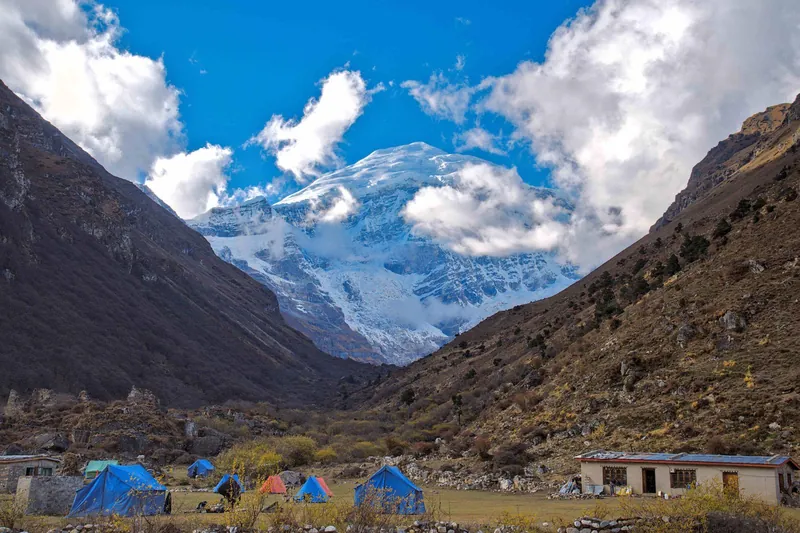
If your priority is clear Himalayan scenery, autumn is difficult to beat.
Trekking in Bhutan in Winter
December to February
Winter is often overlooked by trekkers.
High mountain routes may become unsuitable because of snow and extreme cold, but lower elevation trekking can still be rewarding.
Days at lower elevations can be sunny and crisp, while skies are often remarkably clear.
Advantages of winter trekking
- Fewer travellers
- Clear winter skies
- Quiet trails
- Excellent photography
- Lower elevation routes remain possible
Challenges
- Very cold mornings and nights
- Snow at higher elevations
- Shorter daylight hours
- Major mountain routes may not be accessible
Winter is better suited to shorter and lower altitude trekking rather than high Himalayan expeditions.
Bhutan Trekking Month by Month
January
January is one of Bhutan's coldest months.
High altitude routes are generally unsuitable, but selected lower elevation treks and day hikes remain possible.
Choose January if you enjoy crisp weather, quieter trails and do not mind cold mornings.
Best for: Lower elevation trekking and day hikes.
February
February remains cold, although conditions gradually begin to change towards spring.
Lower routes can work well, while the highest trails are generally still too cold or snow affected.
Best for: Quieter lower elevation walks.
March
March marks the beginning of Bhutan's main spring trekking period.
Lower valleys begin warming while higher elevations remain cool.
Flowers gradually start appearing and longer trekking routes become increasingly possible as conditions improve.
Best for: Early spring trekking and fewer trekkers than April.
April
April is one of the best months for trekking in Bhutan.
Rhododendrons and other spring flowers add colour to the trails, while daytime temperatures are generally comfortable for walking.
Routes such as Druk Path, Bumdra and Jomolhari become particularly appealing.
Best for: Flowers, forest scenery and classic trekking routes.
May
May remains an excellent trekking month.
Landscapes are green, flowers continue at different elevations and conditions are generally warmer than April.
Towards the end of the month, cloud and showers may become more frequent.
Best for: Green landscapes and late spring trekking.
June
June is a transitional month.
Early June can still offer trekking opportunities, but rainfall becomes increasingly common as summer approaches.
Trails can become wetter and visibility less predictable.
Best for: Travellers comfortable with changing weather.
July
July falls within the wetter summer period.
Many trails can be muddy, and clouds may hide the mountain views that draw many people to Bhutan's higher treks.
Best for: Generally not the first choice for a dedicated trekking trip.
August
August remains wet and green.
Some trekking is possible, but conditions can vary and flexibility becomes important.
Best for: Lush landscapes and travellers who prioritise solitude over mountain visibility.
September
September marks the transition back towards the autumn trekking season.
Conditions usually improve as the month progresses.
Late September can be an excellent time to begin trekking, particularly if you want to travel just before the busiest part of autumn.
Best for: Early autumn trekking.
October
October is one of the best months for trekking in Bhutan.
Cooler temperatures and generally clearer skies create excellent walking and photography conditions.
Many of Bhutan's famous high altitude routes are at their best during this period.
Best for: Himalayan views and major treks.
November
November remains an excellent trekking month for many routes.
Skies can be very clear, although temperatures at higher elevations begin to drop significantly.
Warm clothing becomes increasingly important.
Best for: Clear mountain views and cooler trails.
December
December brings the start of winter conditions.
Higher routes become less suitable, while lower altitude treks can still work well.
Best for: Shorter lower elevation treks and winter scenery.
Best Time for Popular Bhutan Treks
Different trails have different seasonal windows.
| Trek | Recommended period | Best months |
| Druk Path Trek | March to May, September to November | April, October |
| Jomolhari Trek | Spring and autumn | April, May, October |
| Bumdra Trek | Spring and autumn | March to May, September to November |
| Dagala Thousand Lakes Trek | Late spring and autumn | May, September, October |
| Laya Gasa Trek | Spring and autumn | April, May, September, October |
| Snowman Trek | Shorter late summer and autumn window | Usually August to September, depending on conditions |
| Punakha Winter Trek | Cooler months | Winter and shoulder months |
| Gangtey Trek | Lower altitude seasons | Spring, autumn and selected winter periods |
| Merak Sakteng Trek | Route dependent | Spring and selected autumn periods |
These are planning guidelines rather than guarantees.
Conditions at altitude can change quickly, so the exact operating period of a trek should always be checked against current trail and weather conditions.
Best Time for the Druk Path Trek
The Druk Path Trek is best from March to May and September to November.
It is one of Bhutan's most accessible multiday treks and links the Paro and Thimphu regions through forests, ridges and alpine lakes.
April is particularly beautiful if you enjoy spring vegetation and rhododendrons.
October offers a better chance of crisp mountain views.
The route reaches high elevations, so nights can still be cold even when daytime temperatures feel comfortable.
Find out more about the Druk Path Trek.
Best Time for the Jomolhari Trek
The Jomolhari Trek is best attempted during spring or autumn, when trail conditions and Himalayan visibility are generally more favourable.
April and May offer flowering landscapes and gradually warmer conditions.
October is particularly popular for clearer skies and mountain views.
Because Jomolhari reaches significantly higher elevations than many shorter Bhutan treks, cold temperatures and altitude should be considered even during the main trekking seasons.
Find out more about the Jomolhari Trek.
Best Time for the Bumdra Trek
The Bumdra Trek works particularly well from March to May and September to November.
Its shorter duration makes it a good choice if you want a genuine trekking and camping experience without committing to a long mountain expedition.
Spring brings colourful forests, while autumn usually offers clearer views from the higher ridges.
The trek can also connect naturally with the descent towards Tiger's Nest, making it an excellent addition to a first Bhutan itinerary.
Find out more about the Bumdra Trek.
Best Time for the Dagala Thousand Lakes Trek
The Dagala Thousand Lakes Trek is best when higher trails are free from heavy snow and conditions allow access to its alpine landscapes.
Late spring and early autumn are particularly attractive.
May can offer greener landscapes, while September and October can bring clearer mountain views.
Because the route crosses exposed high terrain, weather can change quickly.
Find out more about Dagala Thousand Lakes Trek.
Best Time for the Snowman Trek
The Snowman Trek has one of the narrowest seasonal windows of Bhutan's major treks.
This is not a route where you can simply choose any spring or autumn date.
The trek crosses numerous high mountain passes and travels through exceptionally remote parts of northern Bhutan.
Snow, rain and changing conditions can affect the passes, so timing is critical.
The route is typically planned around the limited period when the highest passes have the best chance of being accessible.
Anyone considering the Snowman Trek should select dates based on the route itself rather than fitting the trek into an already fixed holiday period.
Find out more about the Snowman Trek.
Which Bhutan Trekking Season Should You Choose?
There is no single perfect month for every traveller.
Choose spring if you want:
- Rhododendrons
- Flowering forests
- Fresh green landscapes
- Pleasant daytime trekking
- A combination of nature and festivals
Choose autumn if you want:
- Clearer Himalayan views
- Mountain photography
- Cooler walking temperatures
- High altitude trekking
- Classic trekking conditions
Choose winter if you want:
- Fewer visitors
- Lower elevation trekking
- Clear winter skies
- A quieter Bhutan experience
Consider summer if you want:
- Lush landscapes
- Fewer trekkers
- A greener side of Bhutan
- Greater flexibility around weather
For most travellers planning their first Bhutan trekking holiday, April, May, October and early November are the easiest months to consider.
Weather and Temperature at Altitude
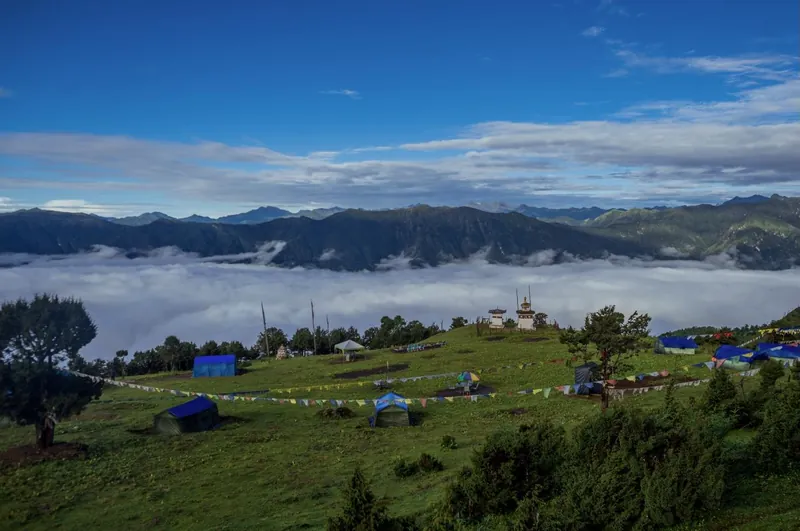
The weather in Paro or Thimphu does not tell you what conditions will feel like at your campsite.
Trekking routes can climb thousands of metres above Bhutan's main towns.
At higher elevations, temperatures can fall rapidly after sunset.
A pleasant afternoon can turn into a very cold evening once the sun disappears behind the mountains.
Wind also makes exposed passes feel considerably colder.
This is why trekking preparation should be based on your highest campsite and highest mountain pass, not simply the weather forecast for Paro.
Altitude also affects people differently.
A traveller who is extremely fit at sea level can still feel the effects of altitude.
Choose an itinerary with sensible acclimatisation and tell your guide immediately if you develop persistent headaches, nausea, dizziness or unusual fatigue.
What to Pack for Each Trekking Season
Your exact packing list depends on the route and altitude.
Spring
Bring:
- Warm layers
- Waterproof jacket
- Trekking trousers
- Comfortable trekking boots
- Sun protection
- Warm hat and gloves for high camps
Summer
Add:
- Reliable waterproof clothing
- Rain protection for your day pack
- Quick drying clothes
- Extra socks
- Suitable protection for wetter trails
Autumn
Bring:
- Layered clothing
- Warm jacket
- Gloves and warm hat
- Sun protection
- Good trekking footwear
Later autumn nights can be particularly cold.
Winter
Cold weather preparation becomes essential.
Bring:
- Thermal base layers
- Insulated jacket
- Warm gloves
- Warm hat
- Suitable winter socks
- Layers for freezing mornings and evenings
Before buying equipment, check what is already included in your trekking arrangements.
Camping equipment, sleeping systems, meals and baggage support may be provided depending on your route.
Frequently Asked Questions About Trekking Seasons in Bhutan
What is the best time to trek in Bhutan?
The best time to trek in Bhutan is generally March to May and late September to November.
Spring is excellent for flowers and green landscapes, while autumn is particularly good for clear Himalayan views.
The ideal month depends on the altitude and route.
What is the best month for trekking in Bhutan?
April and October are two of the strongest all round choices.
April offers spring flowers and pleasant conditions.
October is particularly attractive for clearer skies and Himalayan views.
May and November can also be excellent depending on the trek.
Is April a good month for trekking in Bhutan?
Yes.
April is one of the best months for trekking in Bhutan.
Rhododendrons are a major attraction at this time, and many popular routes including Druk Path, Bumdra and Jomolhari are suitable.
Is May a good time to trek in Bhutan?
Yes.
May remains one of the main spring trekking months.
Conditions are generally warmer than April, although cloud and showers may become more frequent later in the month.
Is October a good month for trekking in Bhutan?
Yes.
October is one of the most popular trekking months because temperatures are comfortable for walking and skies often provide excellent Himalayan visibility.
It is particularly suitable for travellers whose priority is mountain scenery and photography.
Can you trek in Bhutan in November?
Yes.
Many treks remain possible in November, particularly during the earlier part of the month.
Expect colder nights and mornings at higher elevations.
Can you trek in Bhutan in December?
Yes, but the choice of route becomes more limited.
Lower altitude treks and day hikes can still be enjoyable, while high mountain routes may become unsuitable because of snow and cold.
Can you trek in Bhutan during winter?
Yes.
Winter trekking works best on lower elevation routes.
The advantage is quieter trails and often clear skies. The trade off is colder temperatures, particularly at night.
Can you trek in Bhutan during the monsoon?
Trekking is possible on selected routes, but June to August is generally wetter.
Expect muddy trails, cloud, rain and potentially reduced mountain visibility.
For a first trekking trip, spring or autumn is usually easier.
Which season has the clearest mountain views in Bhutan?
Autumn, particularly October and November, generally offers some of the strongest opportunities for clear Himalayan views.
Mountain weather is never completely predictable, so clear skies cannot be guaranteed.
When is the best time for rhododendrons in Bhutan?
Spring is the best period.
Rhododendrons bloom at different times depending on altitude, but April and May are particularly attractive for trekkers hoping to see flowering forests.
What is the best time for the Druk Path Trek?
Plan the Druk Path Trek between March and May or September and November.
April is excellent for spring scenery, while October is particularly good for mountain views.
What is the best time for the Bumdra Trek?
Spring and autumn are the strongest periods for the Bumdra Trek.
March to May brings colourful vegetation, while September to November generally provides clearer and cooler trekking conditions.
What is the best time for the Jomolhari Trek?
Spring and autumn are the main seasons for the Jomolhari Trek.
April, May and October are particularly worth considering.
Which months should I avoid for high altitude trekking in Bhutan?
The coldest winter months and the wettest part of summer are generally less suitable for high altitude routes.
Some demanding treks also have very specific operating windows because snow can block high mountain passes.
Plan Your Bhutan Trek Around the Trail
Choosing when to trek in Bhutan should start with the trail, not simply the month you happen to have available.
A short Bumdra Trek has very different seasonal considerations from Jomolhari or the Snowman Trek.
Start by deciding how many days you want to walk, the level of difficulty you are comfortable with and how high you want to go.
Then choose the season that gives that particular route the best chance of favourable conditions.
If mountain views are your priority, look towards autumn.
If forests, flowers and rhododendrons appeal more, spring is particularly rewarding.
Explore our Bhutan trekking and hiking tours to compare routes, or speak with our Bhutan Travel Specialists about matching the right trek to your travel dates, fitness and trekking experience.
Ready to Experience Bhutan?
Talk to our Bhutan specialists — we've helped over 22,940+ travellers plan their perfect trip.
