 Druk Asia
6 Facts About Bhutan’s Fertility Temple: Chimi Lhakhang
Set on a small hill surrounded by rice fields and traditional villages, Chimi Lhakhang is one of the most fascinating temples in Bhutan. Located in Punakha Valley near the village of Sopsokha, the temple is closely associated with Drukpa Kunley, the unconventional Buddhist master affectionately known as the Divine Madman.
Chimi Lhakhang is particularly famous as Bhutan’s Fertility Temple. For generations, couples hoping to have children have travelled here to pray and receive blessings. Yet fertility is only one part of its story.
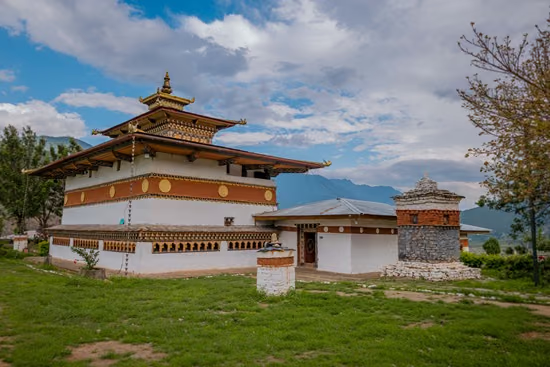
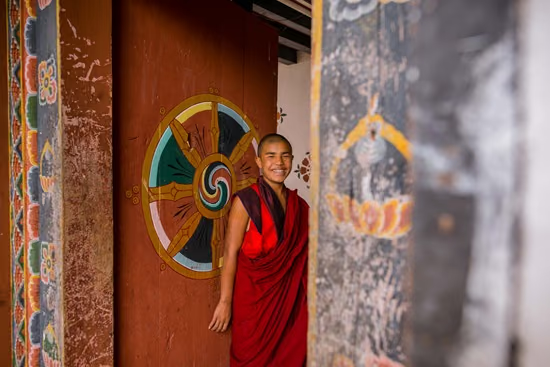
The temple also offers an intriguing introduction to Bhutanese folklore, religious symbolism and the unconventional teachings of one of the country's most colourful spiritual figures.
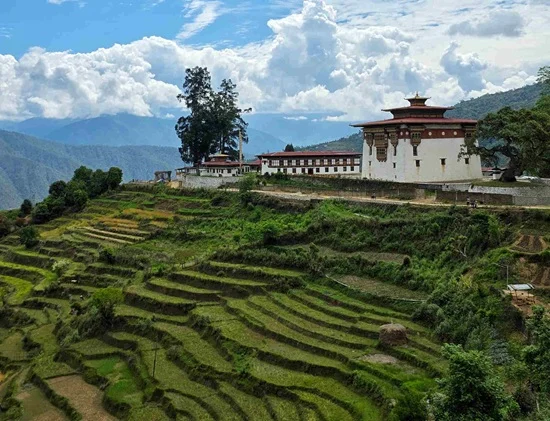
Reaching Chimi Lhakhang is part of the experience. Visitors walk through farmland and Sopsokha village before making a gentle climb to the temple, with views across the Punakha countryside along the way.
Chimi Lhakhang at a Glance
Location: Punakha District, Bhutan
Nearest village: Sopsokha
Also known as: The Fertility Temple
Associated with: Drukpa Kunley, the Divine Madman
Built: 1499
Founder: Ngawang Choegyel, the 14th Drukpa hierarch
Walking time: Approximately 20 to 30 minutes from the road, depending on your starting point and pace
Difficulty: Easy
Best for: Culture, spirituality, photography, village scenery and Bhutanese folklore
Chimi Lhakhang can easily be combined with other major attractions in Punakha, making it a popular stop on cultural journeys through western Bhutan.
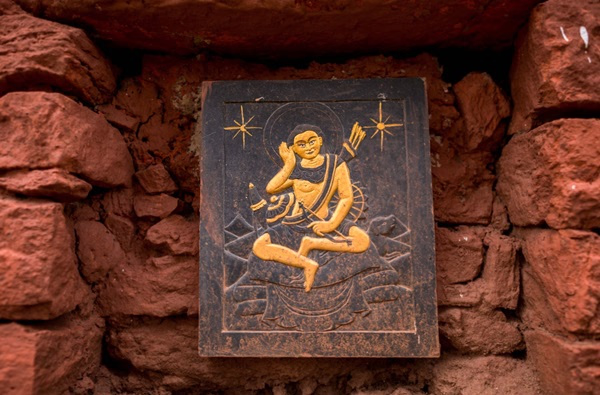
Why Is Chimi Lhakhang Famous?
Chimi Lhakhang is best known for three things: its connection with Drukpa Kunley, its traditional fertility blessings, and the distinctive phallic imagery found around the temple and neighbouring villages.
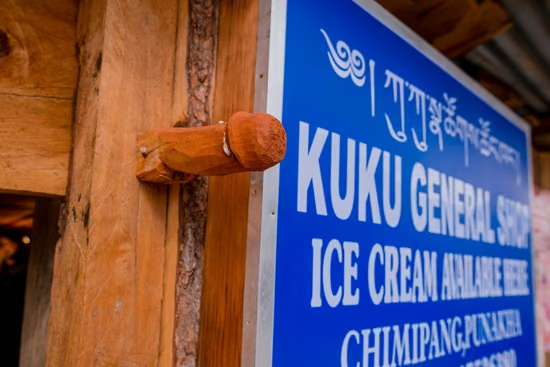
These symbols can surprise first time visitors to Bhutan, particularly when they appear painted prominently on houses or displayed outside shops. Within Bhutanese tradition, however, they carry meanings connected with protection, fertility and the spiritual legacy of Drukpa Kunley.
Understanding the story behind them turns a visit to Chimi Lhakhang into much more than an unusual sightseeing stop.
Who Was Drukpa Kunley, the Divine Madman?
Drukpa Kunley lived during the 15th and 16th centuries and became one of the most unconventional figures associated with Bhutanese Buddhism.
Rather than teaching only through formal religious instruction, he was remembered for using humour, provocative behaviour, songs, stories and deliberately shocking actions to challenge convention and communicate spiritual lessons.
This unusual approach earned him the name Divine Madman.
Stories about Drukpa Kunley occupy an intriguing place between history, religious teaching and folklore. Many remain widely told in Bhutan today.
According to local legend, Drukpa Kunley subdued a demoness in the area where Chimi Lhakhang now stands using what became known symbolically as his Thunderbolt of Flaming Wisdom. A chorten was established at the site before the temple itself was later constructed.
In 1499, Ngawang Choegyel, the 14th Drukpa, built Chimi Lhakhang in honour of the saint.
Why Is Chimi Lhakhang Called the Fertility Temple?
Chimi Lhakhang has become an important pilgrimage destination for couples praying for children.
Visitors seeking fertility blessings may receive prayers and blessings from a monk inside the monastery. The blessing tradition is closely connected with Drukpa Kunley and the symbolism associated with him.
Bhutanese families may also return to the temple after having a child.
For travellers, it is important to understand that these traditions are not simply tourist curiosities. Chimi Lhakhang remains an active religious site, and fertility blessings continue to carry genuine spiritual significance for many pilgrims.
You do not need to be seeking fertility blessings to visit. The monastery is equally worthwhile for anyone interested in Bhutan's religion, folklore, architecture and village culture.
The Phallus Symbol at Chimi Lhakhang
Perhaps the most immediately recognisable feature associated with Chimi Lhakhang is the phallus.
Phallic paintings and objects are particularly visible around Sopsokha village, where houses and shops may feature brightly coloured representations of the symbol.
Within the tradition surrounding Drukpa Kunley, these images have meanings beyond fertility. They are also traditionally associated with protection from negative forces and harmful influences.
The symbolism reflects Drukpa Kunley's unconventional style of teaching, in which provocative imagery and behaviour were used to challenge rigid ideas and convey religious lessons.
Inside Chimi Lhakhang, a wooden phallus associated with the saint forms part of the temple's blessing traditions.
Visitors should therefore approach the imagery with cultural curiosity and respect rather than viewing it simply as novelty.
Walking to Chimi Lhakhang
One of the nicest parts of visiting Chimi Lhakhang is actually the journey to the temple through the Chimi Lhakhang hike.
The walk generally begins around Sopsokha village, where the landscape quickly opens into farmland.
Depending on your starting point, allow approximately 20 to 30 minutes to reach the temple. The route is generally easy, with only a gentle incline close to the monastery.
The path takes you past:
Traditional Bhutanese houses
Rice paddies and agricultural fields
Prayer flags
Small village shops
Phallic paintings connected with Drukpa Kunley's folklore
Views across the Punakha countryside
During different seasons, the colours of the landscape change considerably. Green rice fields can dominate the valley during the growing season, while other periods reveal golden fields, freshly cultivated land or flowering crops.
Because much of the walk is exposed, comfortable shoes, drinking water and sun protection are useful.
Sopsokha Village
Do not rush through Sopsokha on your way to the temple.
The village is an important part of the Chimi Lhakhang experience because Drukpa Kunley's influence remains highly visible here.
Traditional houses stand alongside cafés and small handicraft shops, while phallic symbols appear in paintings, decorations and locally made souvenirs.
What may initially seem humorous has deeper cultural roots. Traditionally, these symbols have been associated with the power to repel harmful influences as well as with fertility.
Walking slowly through Sopsokha also provides a glimpse of everyday life in rural Punakha before you reach the monastery.
What to Expect at Chimi Lhakhang
Compared with Bhutan's great fortresses and larger monasteries, Chimi Lhakhang is relatively modest.
That is part of its charm.
Its quiet hilltop setting, traditional architecture and intimate scale create a very different atmosphere from monumental landmarks such as Punakha Dzong.
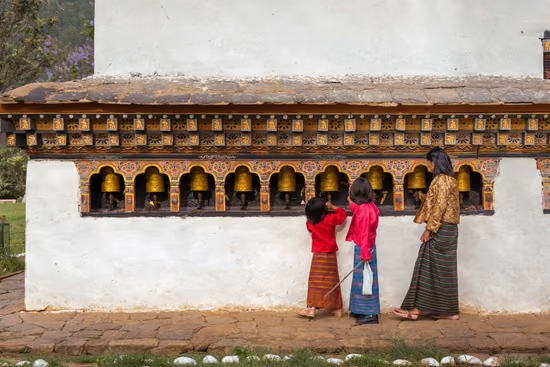
Visitors typically spend some time exploring the courtyard before entering the temple.
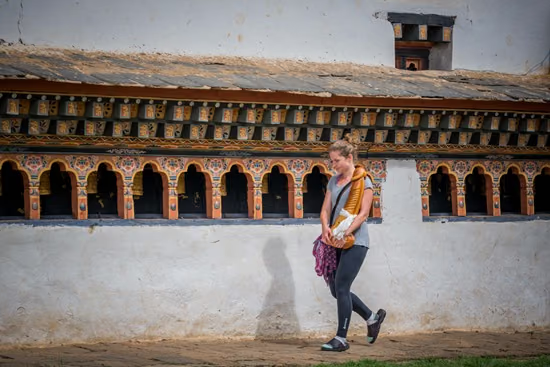
Inside, remember that Chimi Lhakhang is a functioning sacred space. Follow instructions from your guide and resident monks, speak quietly and observe local customs.
Photography restrictions apply inside religious buildings.
Can You Receive a Fertility Blessing at Chimi Lhakhang?
Yes. Chimi Lhakhang remains known for fertility blessings, and couples seeking children may request prayers and blessings at the temple. Your Bhutanese guide can help explain the process and appropriate etiquette.
There is no requirement to receive a fertility blessing simply because you visit Chimi Lhakhang. Many travellers come primarily to learn about Drukpa Kunley and experience the cultural landscape surrounding the monastery.
What Should You Wear to Chimi Lhakhang?
As Chimi Lhakhang is a Buddhist temple, visitors should dress respectfully.
Choose clothing that covers your shoulders and knees.
Comfortable walking shoes are also recommended because reaching the monastery involves walking through village paths and farmland.
A hat and sun protection can be helpful during warmer months because sections of the trail have little shade.
Best Time to Visit Chimi Lhakhang
Chimi Lhakhang can be visited throughout much of the year.
Spring, from March to May, offers generally pleasant walking conditions and colourful vegetation.
Autumn, from September to November, is another popular period thanks to comfortable temperatures and clearer weather.
Summer brings greener landscapes but also the possibility of rain, while winter can provide quieter walking conditions and crisp views. For photography, an earlier visit can offer softer light across the fields and more comfortable temperatures.
How to Get to Chimi Lhakhang
Chimi Lhakhang lies in the Punakha Valley near Sopsokha and Lobesa.
Travellers normally reach the area by vehicle before continuing towards the monastery on foot.
From around Punakha Dzong, the drive to the starting area takes roughly 15 to 25 minutes, depending on road conditions and your exact starting point. From the road, continue on foot through Sopsokha village and the surrounding farmland.
The walk is suitable for most travellers with average mobility and does not require trekking experience.
How Long Should You Allow for Chimi Lhakhang?
Allow approximately one to one and a half hours for the complete visit if you want to walk comfortably, explore the temple and spend some time in Sopsokha.
You may want longer if you enjoy photography or want to browse the shops around the village.
Because Chimi Lhakhang is relatively close to other important Punakha attractions, it works particularly well as part of a full day exploring the valley.
What to See Near Chimi Lhakhang
Chimi Lhakhang can easily be combined with several of Punakha's major attractions.
Punakha Dzong
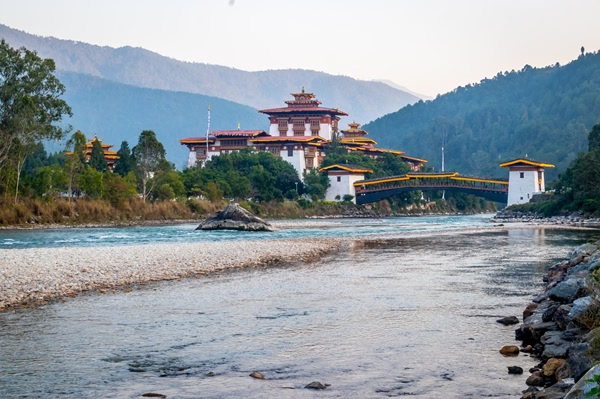
One of Bhutan's most magnificent fortresses, Punakha Dzong sits dramatically at the confluence of the Pho Chhu and Mo Chhu rivers.
Its grand architecture provides a striking contrast with the smaller and more intimate Chimi Lhakhang.
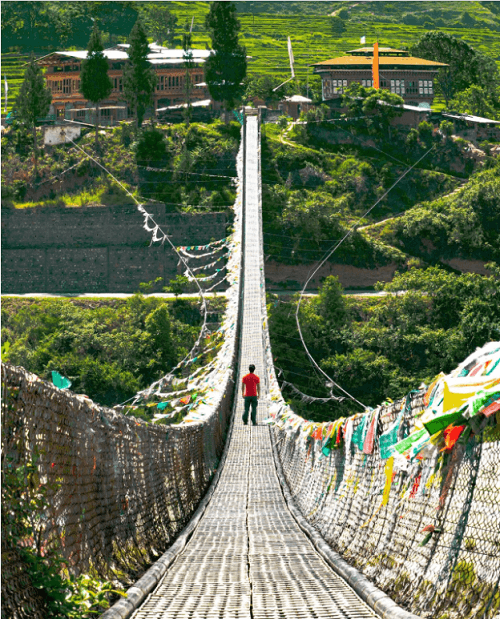
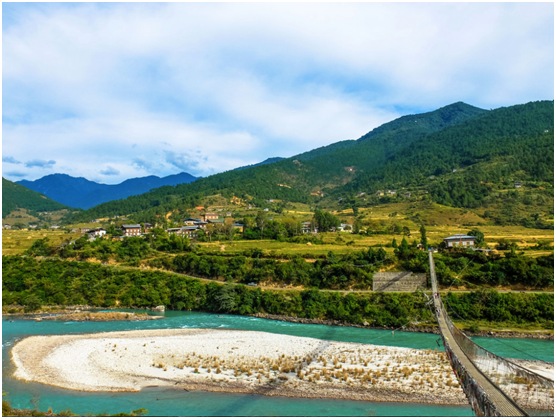
Punakha Suspension Bridge
Continue your exploration of the valley with the Punakha Suspension Bridge, one of the area's most popular stops.
The bridge provides beautiful views over the river and surrounding Punakha landscape.
Sangchhen Dorji Lhuendrup Nunnery
For another spiritual experience, visit Sangchhen Dorji Lhuendrup Nunnery, which occupies an elevated setting overlooking the Punakha and Wangdue valleys.
Talo Monastery
Talo offers a quieter look at rural Bhutan and can be incorporated into a more extensive exploration of Punakha.
Why Chimi Lhakhang Is Worth Visiting
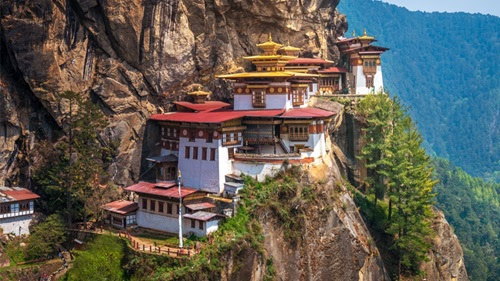
Chimi Lhakhang may not have the dramatic scale of Punakha Dzong or the cliffside setting of Tiger's Nest Monastery, but few places reveal quite the same side of Bhutan.
Here, spirituality exists alongside humour. Ancient Buddhist teachings mingle with colourful folklore, and religious symbolism appears in forms that can initially surprise visitors.
The journey through Sopsokha and its surrounding fields also gives you an opportunity to experience Punakha beyond its major monuments.
Most importantly, Chimi Lhakhang demonstrates how traditions that appear unusual from the outside can carry generations of meaning within Bhutanese culture.
That combination of faith, folklore, countryside and living tradition makes it one of the most memorable places to visit in Punakha.
Frequently Asked Questions About Chimi Lhakhang
What is Chimi Lhakhang famous for?
Chimi Lhakhang is best known as Bhutan's Fertility Temple. It is dedicated to Drukpa Kunley, the Buddhist master known as the Divine Madman, and is an important pilgrimage site for couples seeking blessings for children.
Who built Chimi Lhakhang?
Chimi Lhakhang was built in 1499 by Ngawang Choegyel, the 14th Drukpa hierarch, at a site associated with Drukpa Kunley.
Where is Chimi Lhakhang?
Chimi Lhakhang is located in Punakha District in western Bhutan, near Sopsokha village and Lobesa.
Why are there phallus paintings near Chimi Lhakhang?
The symbols are associated with the teachings and folklore of Drukpa Kunley. Traditionally, they are linked with fertility and protection against negative influences.
How far is the walk to Chimi Lhakhang?
Most visitors walk approximately 20 to 30 minutes through Sopsokha and surrounding farmland to reach the temple. The route is considered easy, although there is a gentle incline approaching the monastery.
Is Chimi Lhakhang suitable for children?
Yes. The walk is generally easy and suitable for families. Parents may wish to explain the cultural meaning of the phallic imagery beforehand, particularly to older children.
Do you need to be trying for a baby to visit Chimi Lhakhang?
No. Chimi Lhakhang is open to visitors interested in Bhutanese history, Buddhism, folklore, village life and culture. Fertility blessings are only one aspect of the temple.
How much time do you need at Chimi Lhakhang?
Allow roughly one to one and a half hours for the walk, temple visit and return journey. Add extra time if you want to explore Sopsokha or take photographs.
Can Chimi Lhakhang and Punakha Dzong be visited on the same day?
Yes. They are commonly included within the same Punakha sightseeing programme and can easily be combined with the Punakha Suspension Bridge and other nearby attractions.
Visit Chimi Lhakhang With Druk Asia
Chimi Lhakhang is included in many journeys through Punakha and can also be added to a customised Bhutan itinerary.
Explore the temple with a licensed Bhutanese guide who can explain the stories of Drukpa Kunley, the meaning behind the unusual symbolism and the religious traditions that continue at Chimi Lhakhang today.
Druk Asia's 7 Day Essential Bhutan and 10 Day Discover Bhutan itineraries are among the journeys that include Punakha, while a bespoke itinerary can be customised around your preferred destinations, travel pace and interests.
More To See In Punakha

Popular Bhutan Tour Packages
Top attractions, cultural experiences, and adventure activities.
Thimphu to Paro — with Punakha, Bumthang, and Gangtey.
Breathtaking landscapes, indulgent stays, and wellness.
Popular Bhutan Trekking Packages
Views of Taktsang Monastery from above on a short trek.
From Ta Dzong, Paro to the Takin Sanctuary, Thimphu.
Bhutan's most beloved trek and the majesty of Mount Jomolhari.
Bhutan is calling — our Travel Specialists are ready to help you plan the perfect adventure.
Send an Enquiry