 Druk Asia
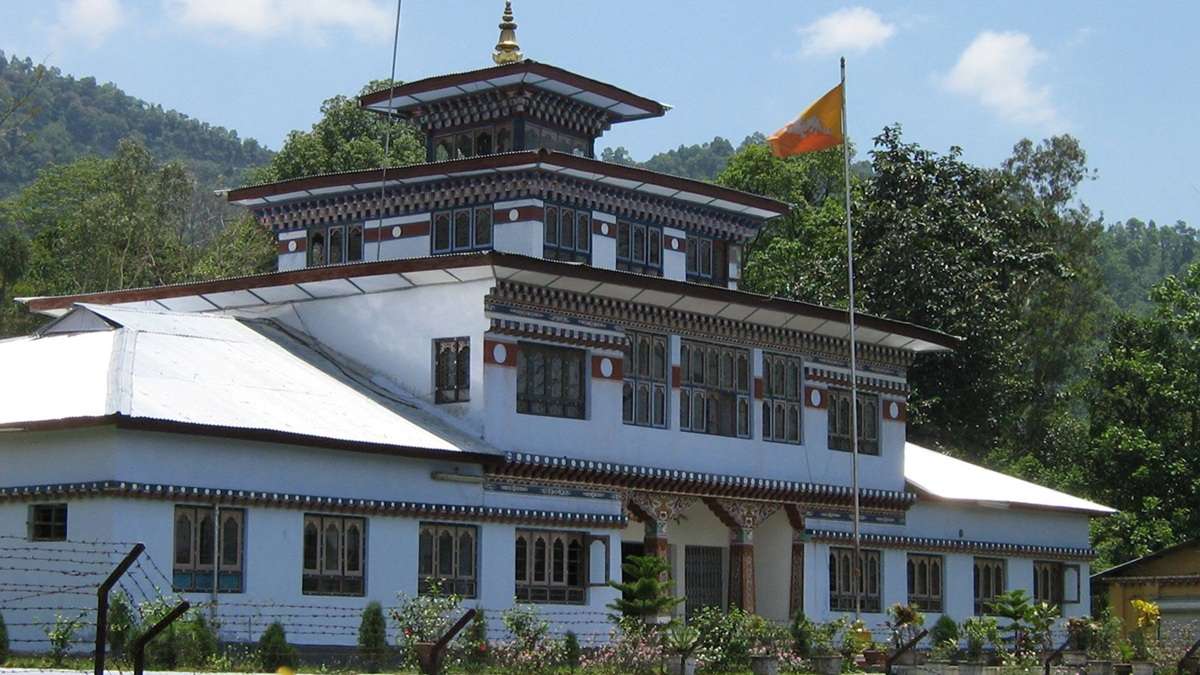
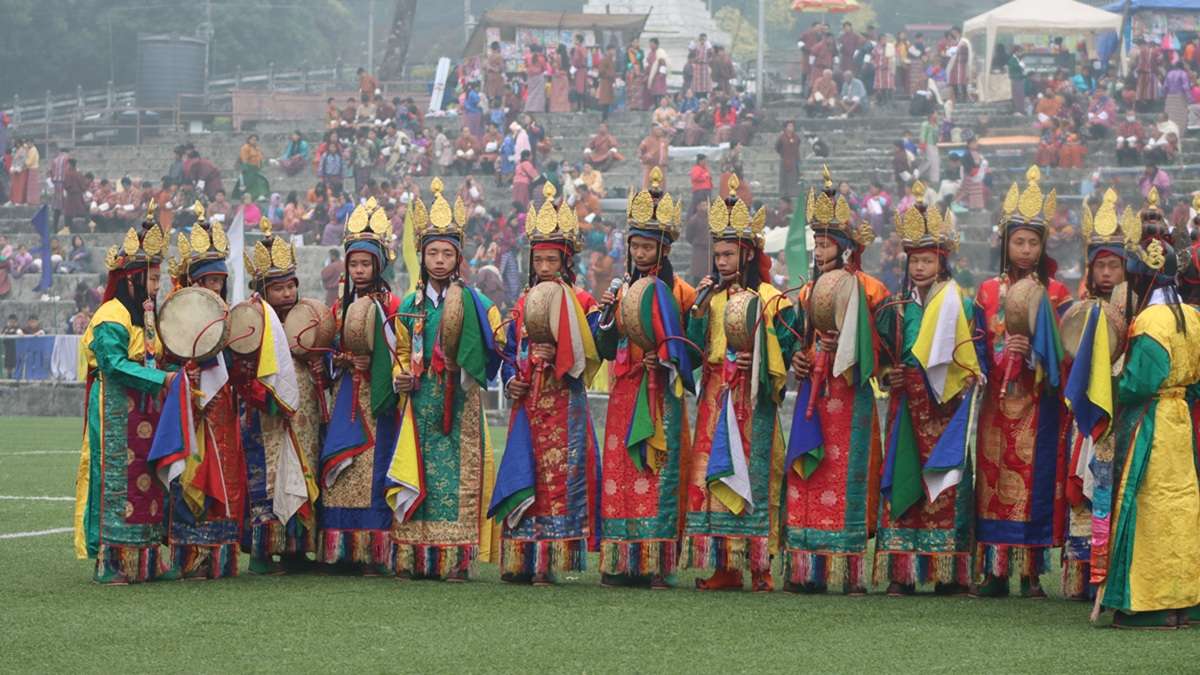
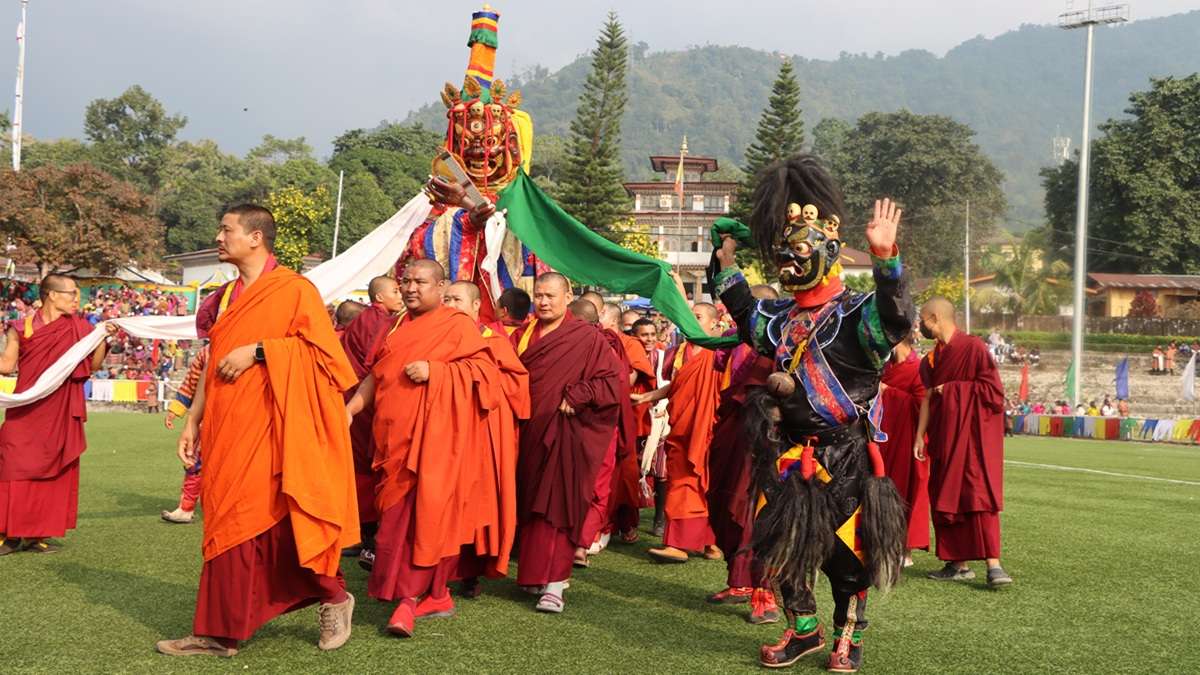
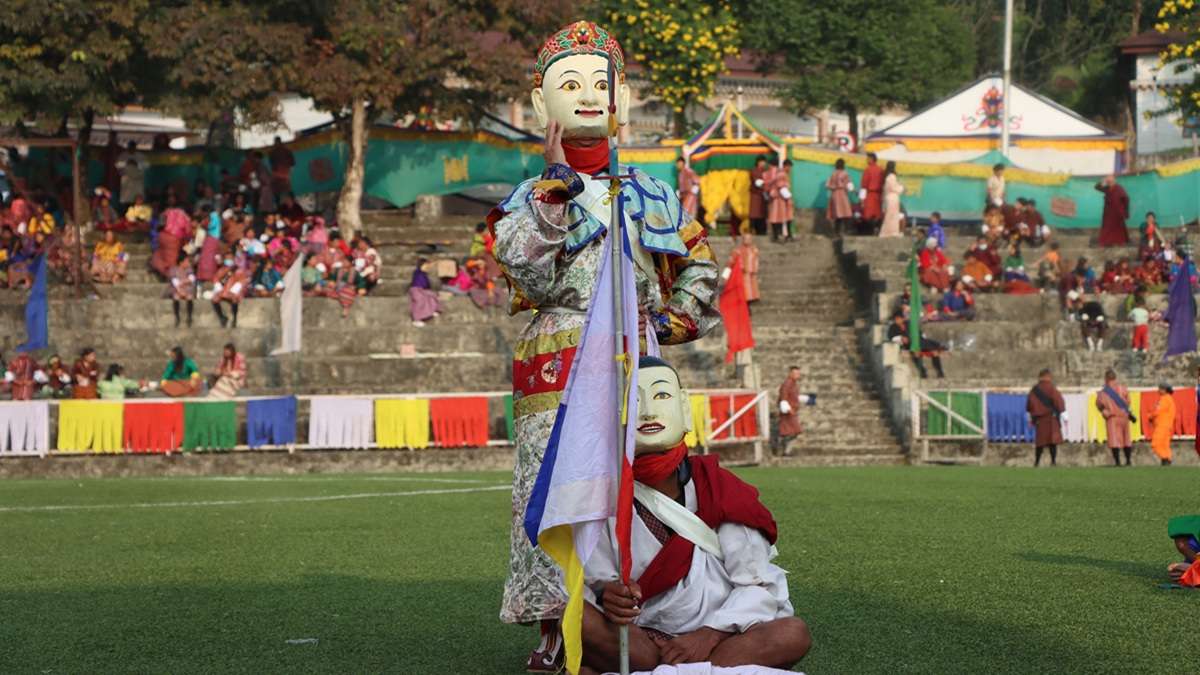
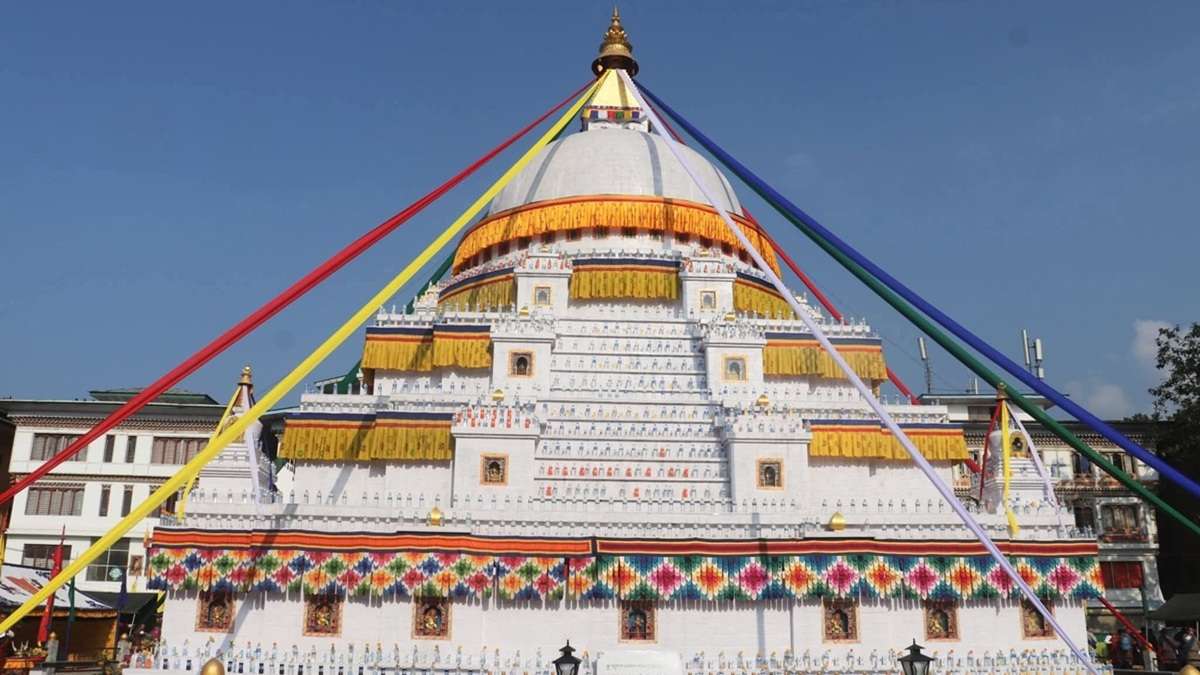
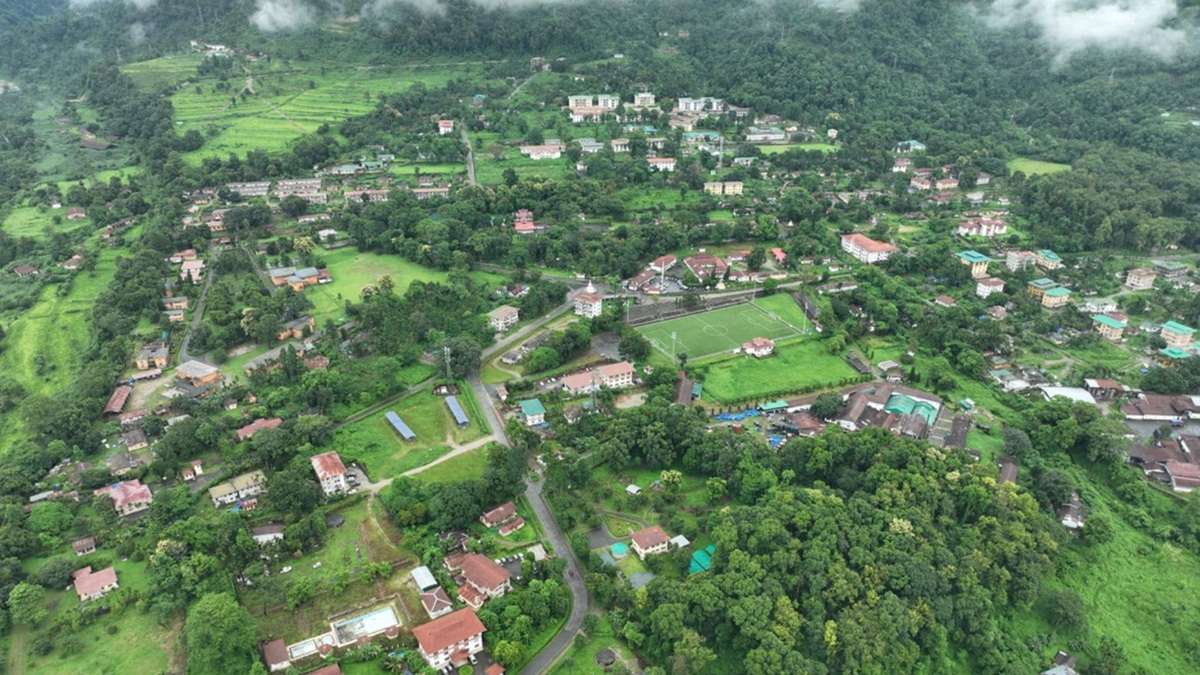
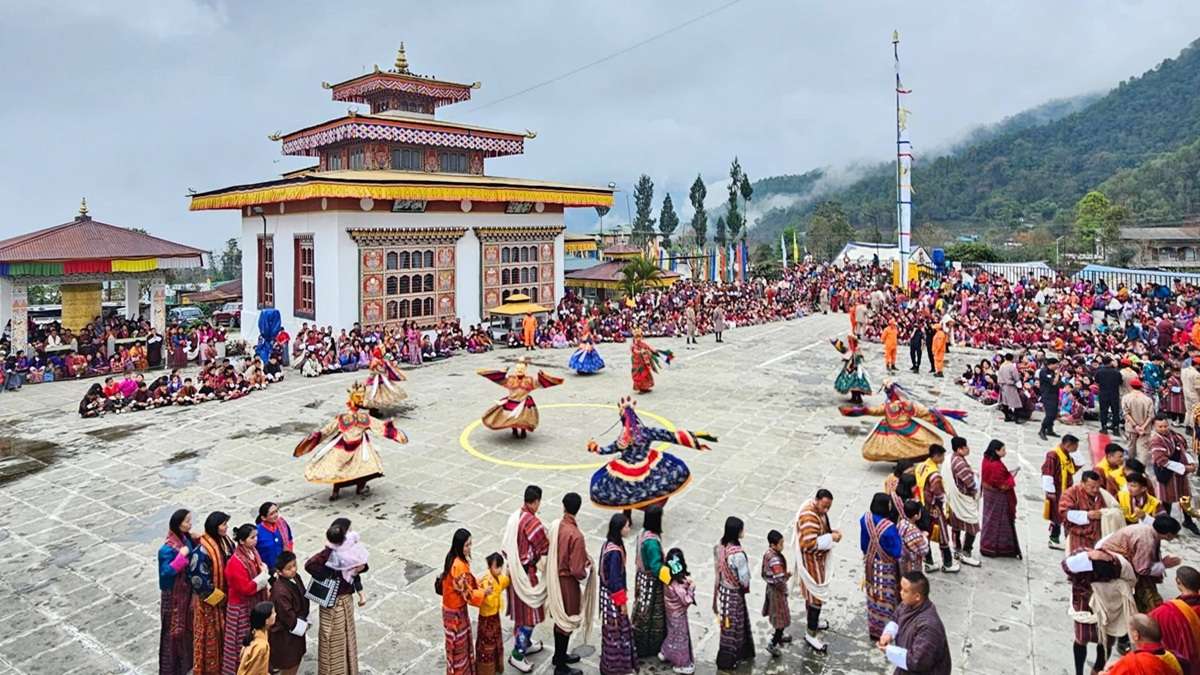
Nestled in the lush foothills of south-western Bhutan, Samtse is one of the country's best-kept secrets. Unlike the alpine valleys of Paro, Thimphu and Bumthang, Samtse offers a completely different landscape characterised by subtropical forests, fertile farmland, rolling hills and vibrant rural communities. It is a destination where Buddhist monasteries stand alongside Hindu temples, traditional farming remains a way of life, and travellers can experience a quieter, more authentic side of Bhutan.
Although often overlooked by first-time visitors, Samtse rewards those willing to venture beyond Bhutan's classic tourist trail. The district offers rich cultural diversity, beautiful countryside, sacred sites and warm local hospitality without the crowds found in the country's more famous destinations.
Whether you are interested in culture, photography, agriculture, nature or simply slowing down to experience everyday Bhutanese life, Samtse provides an enriching journey unlike anywhere else in the Kingdom.
Why Visit Samtse?
Samtse is ideal for travellers looking to experience Bhutan beyond its famous monasteries and mountain scenery. Located in Bhutan's south-west, bordering India, the district enjoys a warmer climate that supports lush forests, rice paddies, citrus orchards, cardamom plantations and areca nut farms.
The district is also one of Bhutan's most culturally diverse regions. Buddhist and Hindu communities have coexisted here for generations, while indigenous groups such as the Lhop people continue to preserve their unique traditions, architecture and way of life.
Unlike many destinations where sightseeing revolves around a handful of landmarks, Samtse invites visitors to slow down. Here, the journey is just as rewarding as the attractions themselves, with scenic drives through quiet villages, opportunities to meet local communities and peaceful countryside that remains largely untouched by mass tourism.
The Landscape of Samtse
Covering approximately 1,305 square kilometres, Samtse stretches from the warm southern plains to forested mountain slopes in the north. Around 60 percent of the district is covered by forests, while agriculture dominates much of the remaining landscape.
The lower elevations enjoy a subtropical climate, producing abundant tropical fruits and crops rarely seen elsewhere in Bhutan. As the road climbs northwards, temperatures become cooler and the scenery gradually changes into misty hills and pine forests.
This remarkable change in landscape makes Samtse one of Bhutan's most geographically diverse districts.
Culture and Heritage
One of Samtse's greatest strengths is its multicultural identity.
The district is home to Bhutanese communities from different ethnic backgrounds, including the Lhotshampa, Lhop and Drukpa people. Their traditions, languages, festivals and cuisines contribute to a fascinating cultural tapestry rarely experienced elsewhere in Bhutan.
Visitors may find Buddhist monasteries, prayer flags and chortens existing peacefully alongside beautifully maintained Hindu temples. This harmonious coexistence reflects Bhutan's inclusive society and makes Samtse particularly interesting for travellers seeking a deeper understanding of the country's cultural diversity.
The indigenous Lhop community, believed to be among the earliest inhabitants of south-western Bhutan, continues to preserve distinctive customs, traditional dress and bamboo architecture. Visiting these villages offers a valuable opportunity to learn about a culture that has remained largely unchanged for generations.
Places to Visit in Samtse
Samtse Town
Samtse Town serves as the administrative and commercial centre of the district. Surrounded by green hills, it has a relaxed atmosphere with local markets, small cafés, government buildings and religious landmarks.
Although modest in size, the town offers an excellent introduction to everyday life in southern Bhutan and makes a convenient base for exploring the surrounding villages.
Shivalaya Mandir
Among Samtse's most impressive landmarks is the magnificent Shivalaya Mandir.
Built from intricately carved sandstone, this beautiful Hindu temple is dedicated to Lord Shiva and houses elegant marble statues of Hindu deities. Completed in 2015, the temple symbolises Bhutan's religious diversity and welcomes devotees throughout the year, especially during Maha Shivaratri celebrations.
Visitors are welcome to admire the temple while respecting local customs by dressing modestly and removing shoes where required.
Sidhok Khorlo Chorten
The Sidhok Khorlo Chorten is one of Samtse's important Buddhist monuments.
Surrounded by peaceful surroundings, it offers a tranquil place for reflection and provides visitors with insight into Bhutan's deeply rooted Buddhist traditions. As with all chortens in Bhutan, visitors should walk clockwise around the structure as a sign of respect.
Daina Suspension Bridge
Located in Norbugang Gewog, the Daina Suspension Bridge stretches across a picturesque river surrounded by farmland and forests.
Walking across the bridge provides beautiful views of the surrounding countryside and offers excellent photography opportunities. It has also become a popular recreational spot for local residents.
Norbugang
Norbugang showcases Samtse's agricultural heartland.
Rolling fields of rice, maize, vegetables, cardamom and areca nut plantations dominate the landscape. Travellers can visit local farms, observe traditional agricultural practices and experience the slower pace of rural Bhutan.
The region is particularly beautiful during harvest season when the fields turn vibrant shades of green and gold.
Tading
Tading is emerging as one of Samtse's most promising eco-tourism destinations.
Visitors can enjoy gentle village walks, scenic waterfalls, peaceful temples and opportunities to interact with local farming communities. The area's rural charm makes it particularly appealing for photographers and travellers seeking authentic experiences away from conventional tourist attractions.
Dorokha
Situated in the northern part of the district, Dorokha offers cooler temperatures and spectacular mountain scenery.
The drive itself is one of the highlights, winding through forests, traditional villages and panoramic viewpoints. Dorokha is home to several different ethnic communities, providing visitors with another glimpse into Bhutan's remarkable cultural diversity.
Things to Do in Samtse
Rather than rushing between famous attractions, Samtse encourages travellers to embrace slow travel.
Popular experiences include:
Walking through traditional villages
Visiting Buddhist monasteries and Hindu temples
Meeting local farming families
Exploring cardamom and areca nut plantations
Photographing rural landscapes
Birdwatching in subtropical forests
Sampling southern Bhutanese cuisine
Visiting local markets
Learning about indigenous Lhop culture
Many of these experiences are best enjoyed with a knowledgeable local guide who can explain the history, customs and traditions of each community.
Food in Samtse
Agriculture plays an important role in everyday life throughout the district.
Fresh vegetables, rice, maize, citrus fruits, ginger, chillies and dairy products feature prominently in local cuisine. Southern Bhutanese cooking often reflects influences from neighbouring communities while retaining Bhutan's distinctive flavours.
Visitors may have the opportunity to enjoy home-cooked meals prepared by local families, offering an authentic taste of the region.
Best Time to Visit Samtse
The most pleasant months to visit Samtse are between October and April.
During this period, temperatures are comfortable, skies are generally clearer and road conditions are favourable for exploring rural areas.
The summer monsoon, typically from June to September, brings heavy rainfall that transforms the landscape into vibrant shades of green but can occasionally affect travel conditions.
Frequently Asked Questions
Is Samtse worth visiting?
Absolutely. Samtse offers a completely different perspective of Bhutan, with subtropical landscapes, multicultural communities and authentic rural experiences that are rarely found on standard itineraries.
How many days should I spend in Samtse?
Two to three nights are recommended to explore the district comfortably, while four or more nights allow time to experience the surrounding villages and countryside at a leisurely pace.
What is Samtse famous for?
Samtse is known for its lush subtropical environment, agricultural landscapes, Hindu and Buddhist religious sites, indigenous Lhop communities and peaceful rural atmosphere.
Experience Bhutan Beyond the Mountains
Samtse reveals a side of Bhutan that many travellers never discover. Its fertile valleys, welcoming communities, sacred temples and untouched countryside offer a refreshing contrast to the country's more familiar destinations.
If you are looking to explore beyond the classic itinerary, immerse yourself in local culture and experience the quieter rhythms of Bhutanese life, Samtse is a destination well worth the journey.
