
Our Awards




Our Reviews




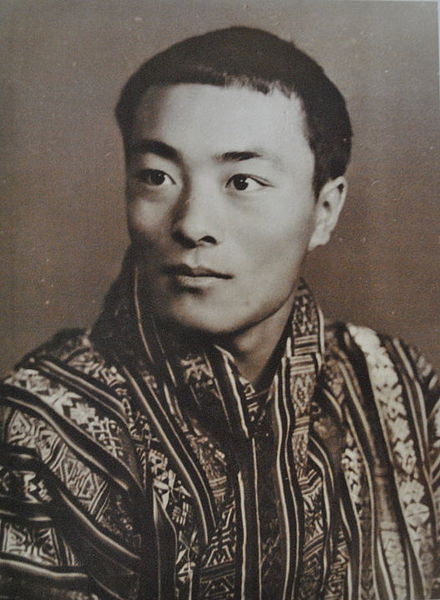
Third King of Bhutan : Jigme Dorji Wangchuck, Father of Modern Bhutan

Jigme Dorji Wangchuck was the Third King of Bhutan, reigning from 1952 to 1972. Widely known as the Father of Modern Bhutan, he introduced major political, economic and social reforms that transformed the Himalayan kingdom.
During his reign, Bhutan established its National Assembly, introduced land reforms, launched its first Five-Year Development Plan and became a member of the United Nations.
These milestones laid the foundations for Bhutan's modern institutions and helped prepare the country for the development and political reforms that followed under subsequent kings.
Quick Facts About Bhutan's Third King
| Fact | Details |
| Full name | Jigme Dorji Wangchuck |
| Royal title | Third Druk Gyalpo |
| Born | 1929 |
| Reign | 1952–1972 |
| Father | Second King Jigme Wangchuck |
| Spouse | Queen Kesang Choden Wangchuck |
| Successor | Fourth King Jigme Singye Wangchuck |
| Known as | Father of Modern Bhutan |
| Major achievements | National Assembly, land reforms, Five-Year Plans, UN membership |
Table of Contents
Who Was Jigme Dorji Wangchuck?
Why Is He Called the Father of Modern Bhutan?<
Establishment of Bhutan's National Assembly
Land Reform and Social Changes
Bhutan's First Five-Year Development Plan
1. Who Was Jigme Dorji Wangchuck?
Jigme Dorji Wangchuck was born in 1929 into Bhutan's royal family.
He was the son of the Second King, Jigme Wangchuck, and succeeded his father in 1952.
Before becoming King, he held important administrative responsibilities and received education both within Bhutan and abroad.
His reign marked a significant departure from the earlier period of monarchy, which had focused primarily on political consolidation and stability.
The Third King recognised the need to strengthen Bhutan's public institutions, improve essential services and establish greater international engagement.
His reforms helped transform Bhutan from a largely traditional society into a country with developing modern institutions.
For context on the political foundations inherited by the Third King, read about Jigme Wangchuck, Bhutan's Second King.
2. Why Is He Called the Father of Modern Bhutan?
Jigme Dorji Wangchuck is known as the Father of Modern Bhutan because of the far-reaching reforms introduced during his 20-year reign.
Before the 1950s, Bhutan had limited modern infrastructure, relatively few formal public institutions and minimal engagement with the international community.
The Third King initiated changes that reshaped government administration, economic development and foreign relations.
His major achievements included:
- Establishing Bhutan's National Assembly in 1953
- Introducing land reform and abolishing serfdom
- Developing modern administrative and judicial institutions
- Launching Bhutan's first Five-Year Plan in 1961
- Establishing the Royal Advisory Council in 1965
- Securing Bhutan's membership in the United Nations in 1971
These developments created a foundation for subsequent generations of national development.
3. He Established Bhutan's National Assembly in 1953
One of the Third King's most important political reforms was the establishment of the National Assembly, known as the Tshogdu, in 1953.
The institution brought together representatives of the people, the monastic community and government administration.
Its establishment allowed broader participation in national discussions and decision-making.
The National Assembly represented an important step towards a more representative political system.
In later years, the Third King introduced additional measures that placed limits on royal authority and strengthened the role of national institutions.
These reforms helped lay the foundations for Bhutan's eventual transition to constitutional democracy in 2008.
Explore the broader timeline of these developments in our guide to Bhutan's modern history.
4. He Introduced Land Reform and Important Social Changes
Land ownership and rural social conditions were important priorities during the Third King's reign.
In 1958, Bhutan abolished serfdom and introduced measures to improve land ownership and rural livelihoods.
These reforms helped reduce longstanding inequalities and transform traditional social arrangements.
The changes were especially important in a country where agriculture formed the basis of many households' livelihoods.
The Third King also supported the development of modern administrative and judicial institutions.
Together, these initiatives contributed to a gradual transformation of Bhutanese society.
5. He Introduced Bhutan's First Five-Year Development Plan
In 1961, Bhutan launched its first Five-Year Plan, marking the beginning of systematic national economic development.
The plan focused on improving infrastructure and essential public services.
Priority areas included:
- Road construction and transportation
- Education and school development
- Healthcare services
- Agriculture and livestock development
- Government administration
- Communications infrastructure
The introduction of planned development was especially significant because Bhutan's mountainous geography had long made transportation and communication difficult.
New roads helped connect previously isolated communities and supported economic activity.
The expansion of schools and healthcare facilities also contributed to improvements in access to essential services.
Five-Year Plans continued to play a central role in Bhutan's development under subsequent governments.
6. Bhutan Joined the United Nations in 1971
Another major milestone during Jigme Dorji Wangchuck's reign was Bhutan's admission to the United Nations on 21 September 1971.
Membership strengthened Bhutan's international recognition as a sovereign nation.
It also provided opportunities for diplomatic engagement, international cooperation and technical assistance.
For a small Himalayan kingdom situated between India and China, maintaining sovereignty and developing international relationships were especially important.
Bhutan's entry into the United Nations represented a significant step in its gradual engagement with the wider world.
7. The Legacy of Bhutan's Third King
Jigme Dorji Wangchuck passed away in 1972, leaving behind a country that had undergone major political and institutional changes.
His reforms established important foundations for modern governance, public services and international diplomacy.
His son, Jigme Singye Wangchuck, continued this development process while introducing new priorities, including Gross National Happiness, environmental conservation and political decentralisation.
The Third King's legacy therefore extends beyond the institutions established during his reign.
He helped create the conditions for Bhutan's continued transformation while maintaining the country's cultural identity.
Learn more about the next chapter in Bhutan's history in our article about Jigme Singye Wangchuck, Bhutan's Fourth King.
Frequently Asked Questions About Bhutan's Third King
Who was the Third King of Bhutan?
Jigme Dorji Wangchuck was the Third King of Bhutan. He reigned from 1952 to 1972.
Why is Jigme Dorji Wangchuck called the Father of Modern Bhutan?
He is known as the Father of Modern Bhutan because he introduced major reforms in government, land ownership, economic development and international relations.
Who established Bhutan's National Assembly?
King Jigme Dorji Wangchuck established Bhutan's National Assembly in 1953.
When did Bhutan abolish serfdom?
Bhutan abolished serfdom in 1958 during the reign of the Third King.
When did Bhutan join the United Nations?
Bhutan joined the United Nations on 21 September 1971 during the reign of Jigme Dorji Wangchuck.
Who succeeded the Third King of Bhutan?
His son, Jigme Singye Wangchuck, succeeded him in 1972 and became Bhutan's Fourth King.
Discover Bhutan's Modern History with Druk Asia
Bhutan's transformation into a modern nation is closely connected to the reforms introduced by its Third King.
From historic dzongs to modern institutions in Thimphu, visitors can discover how Bhutan has balanced political and economic development with the preservation of its cultural heritage.
Explore the history of Bhutan's five kings or discover our Bhutan cultural tours to experience the country's history and traditions with experienced local guides.
Want to Find Out More About Travelling to Bhutan?
Thinking of visiting Bhutan? Let our friendly team of Travel Specialists guide you every step of the way. During peak travel periods — such as festival seasons — flights can get fully booked several months in advance. You can reserve your ticket with us at no cost, giving you peace of mind while you plan the rest of your adventure.
Send Us a Message
Share your plans and one of our Bhutan Travel Specialists will be in touch.
