
Taa Dzong

The National Museum of Bhutan occupies Ta Dzong, a historic watchtower above Rinpung Dzong in Paro. Built in 1649 and opened to the public as a museum in 1968, it introduces visitors to Bhutan's history, sacred art and cultural traditions within one of the country's most distinctive buildings.
Also written as Taa Dzong, the former watchtower now houses more than 3,000 objects, including religious treasures, royal heirlooms and artefacts of everyday Bhutanese life. Its galleries offer a rewarding introduction to the heritage you will encounter throughout your Bhutan journey.
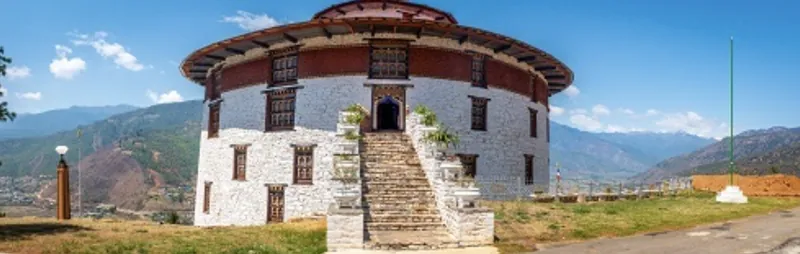
National Museum of Bhutan at a Glance
| Visitor information | Details |
| Location | Above Rinpung Dzong in Paro, western Bhutan |
| Above Rinpung Dzong in Paro, western Bhutan | Daily, 9am–5pm |
| Ticket counter closes | 4pm |
| Closures | Government and local holidays |
| International visitor admission | Nu. 500 per person |
| Local visitor admission | Nu. 100 per person |
| Suggested visiting time | Allow around 1–1.5 hours, depending on your interests |
| Photography | Permitted outside; photography and videography are prohibited inside |
Opening hours and admission fees follow the museum's published information and may change. Druk Asia can confirm arrangements when planning your visit. The visiting duration above is a planning recommendation.
The History of Ta Dzong
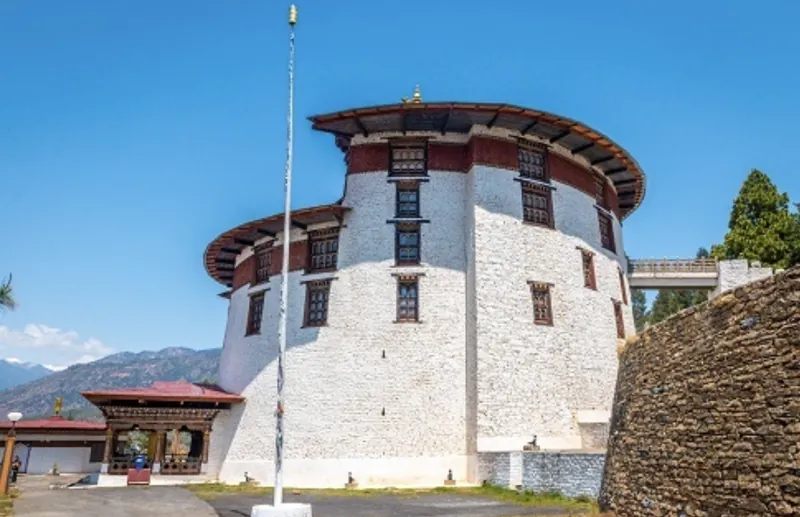
Ta Dzong was built in 1649 by La Ngonpa Tenzin Drugdra, the first Governor of Paro, to help defend Rinpung Dzong below. Its elevated position provided a commanding view of the valley and approaching forces.
Unlike Bhutan's more familiar rectangular dzongs, Ta Dzong has a circular plan, thick stone walls and a central tower rising through seven storeys. Its defensive architecture is part of the experience: the building itself tells a story before you reach the collections.
Under the Third King, His Majesty Jigme Dorji Wangchuck, the watchtower was restored and adapted for a new purpose. It opened to the general public as the National Museum of Bhutan in 1968, transforming a military structure into a place for preserving and sharing the nation's heritage.
Following significant damage during the 2011 earthquake, the museum underwent restoration and officially reopened on 24 June 2020.
What Can You See Inside the National Museum of Bhutan?
The museum brings together sacred objects, royal history, regional dress and everyday craftsmanship. Rather than viewing the exhibits as isolated treasures, look for connections between the objects and the traditions still practised across Bhutan.
Sacred Art and Buddhist Heritage
The fifth-floor galleries feature thangka paintings depicting Buddhas, mandalas and protective deities. These religious paintings were created to support Buddhist practice, giving visitors an introduction to the imagery found in Bhutan's temples and monasteries.
The same floor houses Namsey Phodrang, the Temple of the God of Wealth, alongside sacred statues, a Kadam-style stupa and slate carvings of the Twenty-One Taras.
The Temple of the Tree of Merit
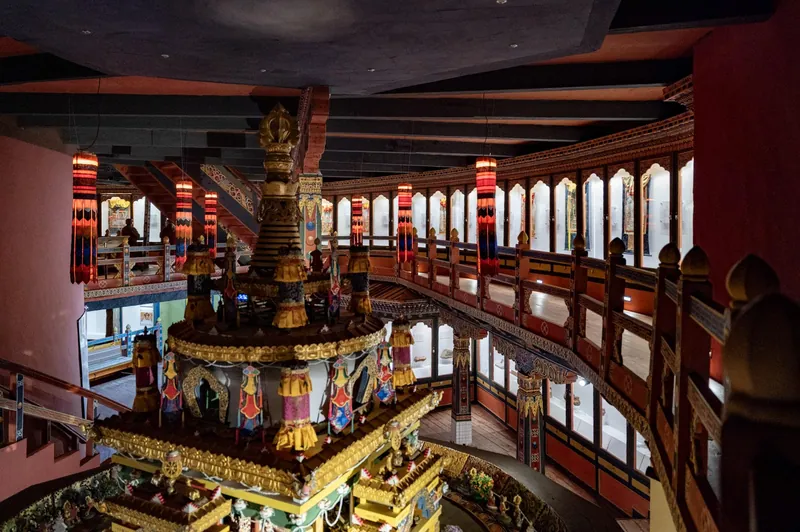
On the sixth floor, Tshogzhing Lhakhang contains a three-dimensional tree mandala representing four major schools of Himalayan Buddhism: Nyingma, Kagyu, Sakya and Gelug.
Created in 1968 by master sculptor Lopen Damcho and his apprentices, this intricate work brings together spiritual teachers, deities and protectors. It remains a place of religious significance as well as an artistic highlight of the museum.
Royal Heritage and Regional Dress
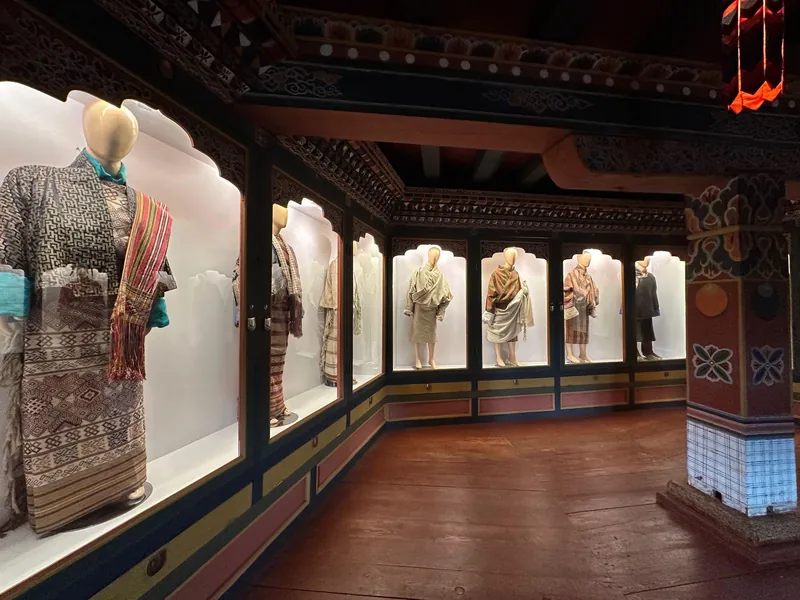
The third-floor royal gallery displays objects associated with Bhutan's monarchs. Nearby costume displays introduce the country's regional diversity, including clothing from the Brokpa communities of Merak and Sakteng and the Layap community of Laya.
These exhibits reveal how Bhutanese identity is expressed through dress, craftsmanship and traditions passed between generations.
Stamps, Jewellery and Everyday Objects
The second-floor collection includes Bhutanese postage stamps, traditional jewellery, coins, wooden cups and tea kettles.
Look for the different forms and materials used in objects made for daily life and ceremonial occasions. These smaller pieces offer a personal perspective on Bhutan's history, complementing the museum's royal and religious collections.
Druk Asia's Collaboration with Museums of Bhutan
Druk Asia's connection with Bhutan's museums extends beyond bringing travellers to their galleries.
The Department of Culture and Dzongkha Development, Ministry of Home Affairs, appointed Druk Asia as the official marketing representative for the Building Fund for the Museums of Bhutan, supporting its global fundraising efforts.
Druk Asia supports fundraising and international outreach for proposed improvements at the National Museum in Paro, the Royal Heritage Museum in Trongsa and the Ta Dzong archaeological site in Trashigang.
The Building Fund aims to create spaces where heritage can be experienced through cultural gatherings, education and community activities. Proposed developments include outdoor venues that extend the museum experience beyond its galleries.
Discover how to support the Museums of Bhutan, or explore Druk Asia's commitment to cultural preservation and responsible travel.
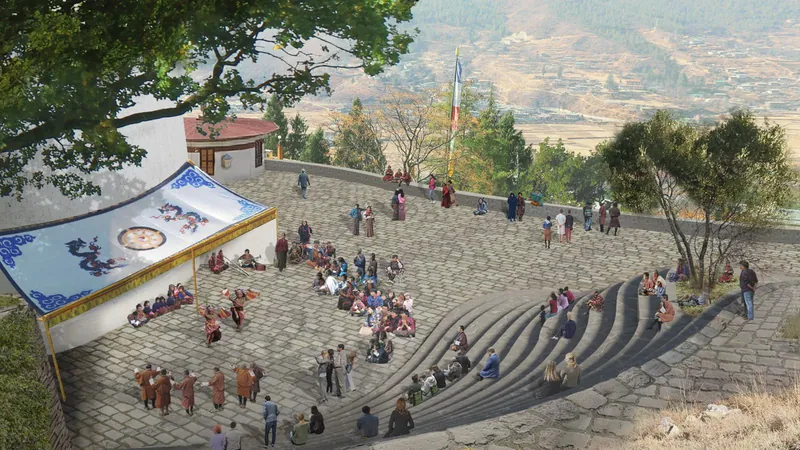 Illustration of by Niimori Jamison Architects
Visiting Ta Dzong with Druk Asia
We recommend including the National Museum early in your itinerary, giving you context for the temples, architecture and traditions you will encounter during your travels.
Druk Asia can arrange your museum visit as part of a Bhutan cultural tour, with time to explore Paro at a comfortable pace. Tell your dedicated travel specialist whether your interests lie in Buddhist art, royal history, textiles or traditional architecture so we can shape your itinerary around them.
If anyone in your group has difficulty with stairs, let us know while planning: Ta Dzong's historic galleries extend across multiple levels.
Send an enquiry to plan your Bhutan journey.
Frequently Asked Questions About Ta Dzong
What does Ta Dzong mean?
Ta Dzong means "watchtower". Paro's Ta Dzong was built to help protect Rinpung Dzong, which stands below it.
Do I need a guide to visit Paro Ta Dzong?
International visitors should visit Paro Ta Dzong with a licensed Bhutanese guide, in line with Bhutan's guide requirements for visiting monuments and dzongs. Your guide can explain the watchtower's history, Buddhist imagery and cultural significance. Druk Asia arranges a licensed guide for your Bhutan tour.
Are Paro Ta Dzong and the National Museum of Bhutan the same place?
Paro Ta Dzong is the historic watchtower that houses the National Museum of Bhutan. "Ta Dzong" refers to the building, while "National Museum of Bhutan" refers to the institution and its collections. Visitors experience both during the same visit.
What is the difference between Ta Dzong and Taa Dzong?
Ta Dzong and Taa Dzong are alternative English spellings of the same name, meaning "watchtower". For clarity, use Paro Ta Dzong when referring to the National Museum of Bhutan, as other places in Bhutan also have watchtowers called Ta Dzong.
Is Paro Ta Dzong different from Trongsa Ta Dzong?
Yes. Paro Ta Dzong houses the National Museum of Bhutan, while Trongsa Ta Dzong houses the Royal Heritage Museum. They are separate landmarks in different districts. Trongsa's museum has a particular focus on Bhutan's monarchy and spiritual heritage.
Learn more about Trongsa Ta Dzong and the Royal Heritage Museum.
When was Paro Ta Dzong built?
Paro Ta Dzong was built in 1649 by La Ngonpa Tenzin Drugdra, the first Governor of Paro, to help protect Rinpung Dzong below. The watchtower was later adapted into a museum and opened to the general public in 1968 under the Third King, His Majesty Jigme Dorji Wangchuck.
What can I see inside the National Museum of Bhutan?
The museum's collections include sacred art, royal heirlooms, traditional clothing, stamps, jewellery, weapons and household objects. Highlights include thangka paintings and the Temple of the Tree of Merit, which contains a three-dimensional mandala representing four major schools of Himalayan Buddhism.
What are the opening hours of Paro Ta Dzong?
The National Museum of Bhutan publishes opening hours of 9am–5pm daily, with the ticket counter closing at 4pm. It is closed on government and local holidays. This schedule includes Mondays and weekends, subject to holiday closures. Druk Asia can check the schedule when arranging your visit.
How much is the entrance fee for the National Museum of Bhutan?
The published entrance fee is Nu. 500 per person for international visitors and Nu. 100 for local visitors. The museum also lists free admission for monks, nuns and students. Confirm eligibility and any documentation required for concessions before visiting, as fees and conditions may change.
How long should I spend at Paro Ta Dzong?
We recommend allowing around 1–1.5 hours to explore the museum and appreciate the building. Travellers with a particular interest in Buddhist art, textiles or Bhutanese history may prefer longer. Druk Asia can adjust the pace to suit your interests and the rest of your Paro itinerary.
Can I take photographs inside the museum?
Photography and videography are prohibited inside. Cameras can be stored in lockers at the entrance. Photography is permitted outside the building and on the grounds.
Is the National Museum suitable for students?
Yes. The museum welcomes students and groups interested in Bhutanese history and culture, and museum-guided visits can be requested in advance. Druk Asia can also discuss broader educational journeys through its collaboration with Inspire Citizens and Museums of Bhutan.
Can I visit Paro Ta Dzong and Rinpung Dzong on the same day?
Yes. The National Museum stands above Rinpung Dzong, making the two landmarks a natural combination for a Paro sightseeing itinerary. We recommend allowing a relaxed half-day for both, including transfers and time to explore. Druk Asia can coordinate the order around opening hours and access.
Explore Rinpung Dzong in Paro.
Is Paro Ta Dzong suitable for visitors with limited mobility?
Ta Dzong is a historic watchtower with galleries on multiple levels, so stairs may affect how much of the museum you can comfortably explore. Let Druk Asia know about mobility requirements before travelling so we can check current access arrangements and plan a suitable visit.
How can I support Museums of Bhutan?
Visit the official Museums of Bhutan support page to explore donations, sponsorships and cultural education initiatives. Druk Asia supports international fundraising outreach as the Building Fund's official marketing representative.
More To See In Paro



Popular Bhutan Tour Packages
Top attractions, cultural experiences, and adventure activities.
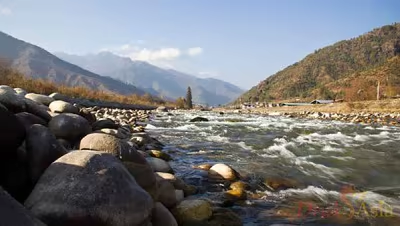
Thimphu to Paro — with Punakha, Bumthang, and Gangtey.
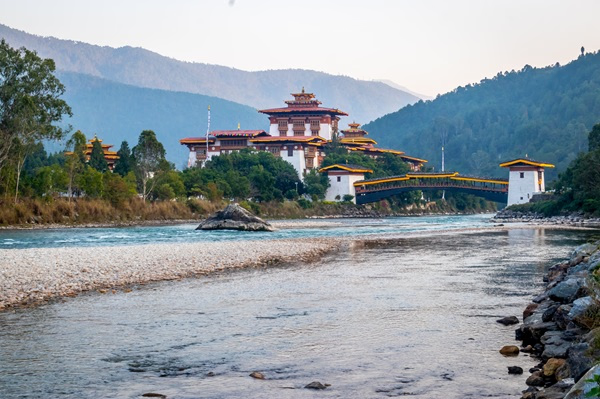
Breathtaking landscapes, indulgent stays, and wellness.
Popular Bhutan Trekking Packages
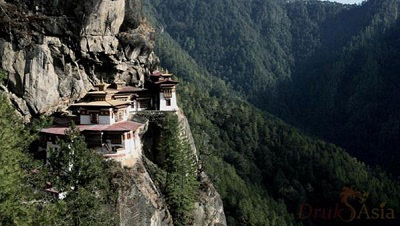
Views of Taktsang Monastery from above on a short trek.
From Ta Dzong, Paro to the Takin Sanctuary, Thimphu.
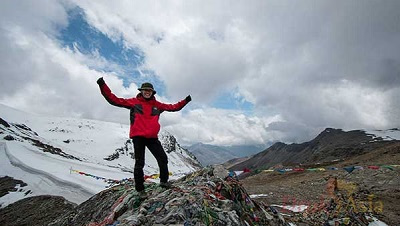
Bhutan's most beloved trek and the majesty of Mount Jomolhari.
Bhutan is calling — our Travel Specialists are ready to help you plan the perfect adventure.
Send an EnquiryHotels in Paro


