Traditional massage in Bhutan is more than just a spa indulgence. It is rooted in local understanding of warmth, circulation, and restoring balance after long journeys, high-altitude hikes, and cold mountain air.
In Bhutan, bodywork often focuses on easing what locals describe as “wind” — tension, stiffness, and internal imbalance caused by fatigue or exposure to the elements. Treatments are typically warming, grounding, and deeply soothing.
If you are travelling through Paro, Thimphu, Punakha, or Bumthang, a traditional massage can be the perfect way to recharge between monastery hikes and scenic mountain drives.
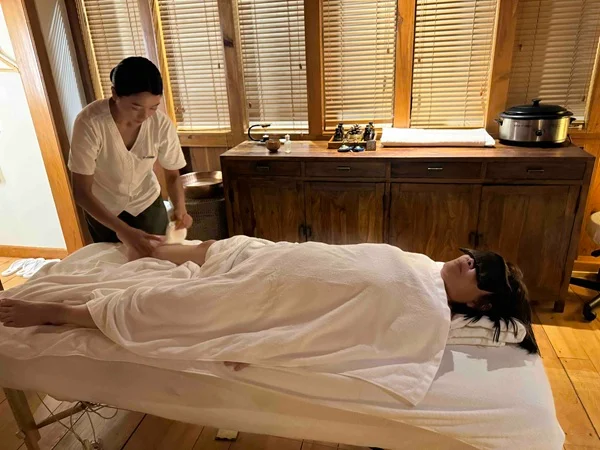
Types of Traditional Massage in Bhutan
You may encounter different names depending on the spa or hotel, but these are the most common traditional-style treatments available.
1. Warming Oil Massage
What it involves:
Slow, firm kneading techniques using herbal or warming oils.
Best for:
Travel fatigue
Cold-weather stiffness
Post-hike muscle tension
This style focuses on improving circulation and releasing tight muscles. If you are sensitive to fragrances, you can request lighter or unscented oils.
2. Herbal Compress Massage
What it involves:
A massage followed by warm herbal bundles pressed along tight areas of the body.
Best for:
The herbal heat penetrates deeply without feeling harsh, making it popular among travellers.
3. Foot and Leg Massage
What it involves:
Firm work on calves, arches, ankles, and feet.
Best for:
Tiger’s Nest hikers
Long sightseeing days
Trekking recovery
After climbing to monasteries or walking through valleys, this treatment is especially restorative.
Traditional vs Modern Spa Massage in Bhutan
Many hotel spas in Bhutan offer both traditional-style treatments and international massage styles such as Swedish, deep tissue, and sports massage.
Traditional Bhutanese massage tends to be:
More warming
Circulation-focused
Firm and practical
Modern spa treatments may feel more structured and relaxation-oriented. You can choose based on how your body feels that day.
What to Expect During Your Session
Professional draping: Only the area being treated is exposed.
Pressure options: Therapists can adjust pressure upon request.
Duration: 60 minutes is common; 90 minutes is ideal for full recovery.
Consultation: You may be asked about injuries or medical conditions beforehand.
Always communicate clearly if you prefer gentler pressure.
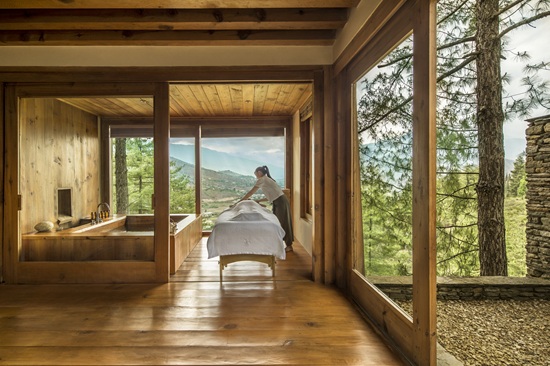
Pricing Guide for Massage in Bhutan
Prices vary depending on the location and type of spa.
Local wellness centres in town are generally more affordable.
Luxury hotel spas charge premium rates, often including steam, tea service, or additional facilities.
5-star hotels in Bhutan charge somewhere between USD100-USD200 for a massage session.
Check what is included before booking to compare value accurately.
When to Book a Massage in Bhutan
Best time:
After long hikes
After mountain passes
On rest days
Avoid if:
Pregnant travellers should request pregnancy-safe treatments.
Etiquette and Tipping in Bhutan
Tipping is not strictly expected. Some hotel spas include service charges. If you feel the therapist provided excellent care, a modest tip is appreciated but not mandatory.
Frequently Asked Questions
Is traditional massage in Bhutan safe?
Yes, when visiting reputable hotels or well-reviewed spas. Inform your therapist of any health conditions.
Is it painful?
It should feel firm but not painful. Always request adjustments if needed.
Can I get a massage after hiking Tiger’s Nest?
Yes, it is one of the best times to book one. Your legs and back will benefit greatly.
Is it similar to Thai massage?
Not exactly. Thai massage involves stretching techniques, while Bhutanese-style treatments focus more on warmth, oil, and circulation.